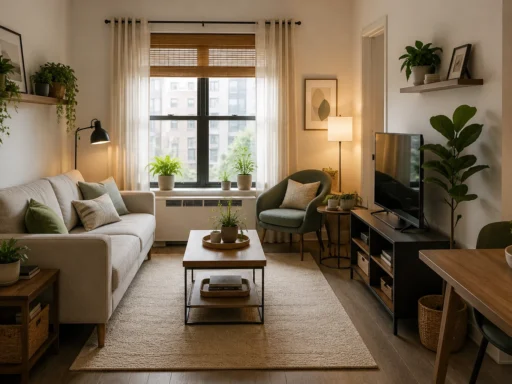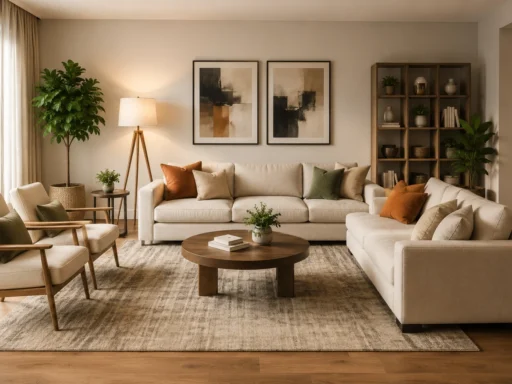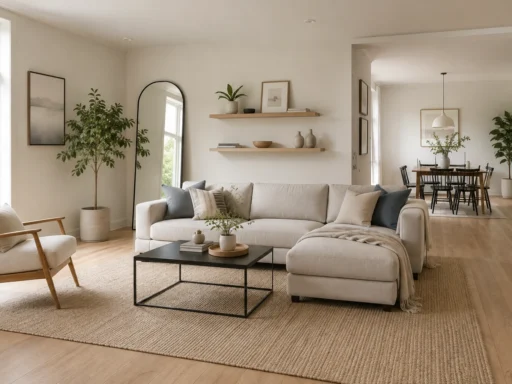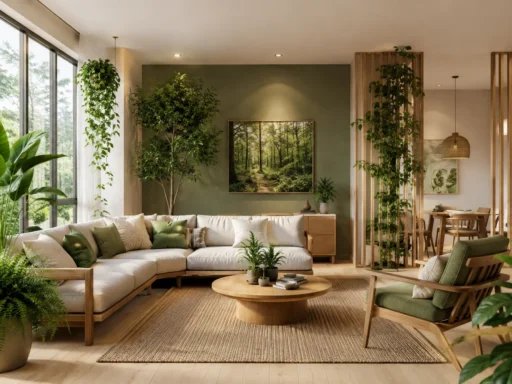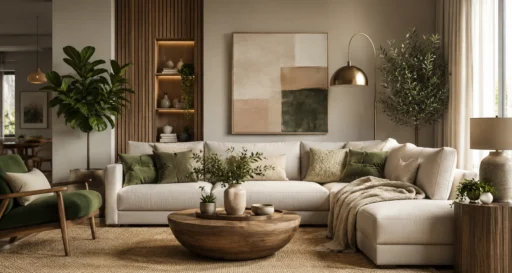
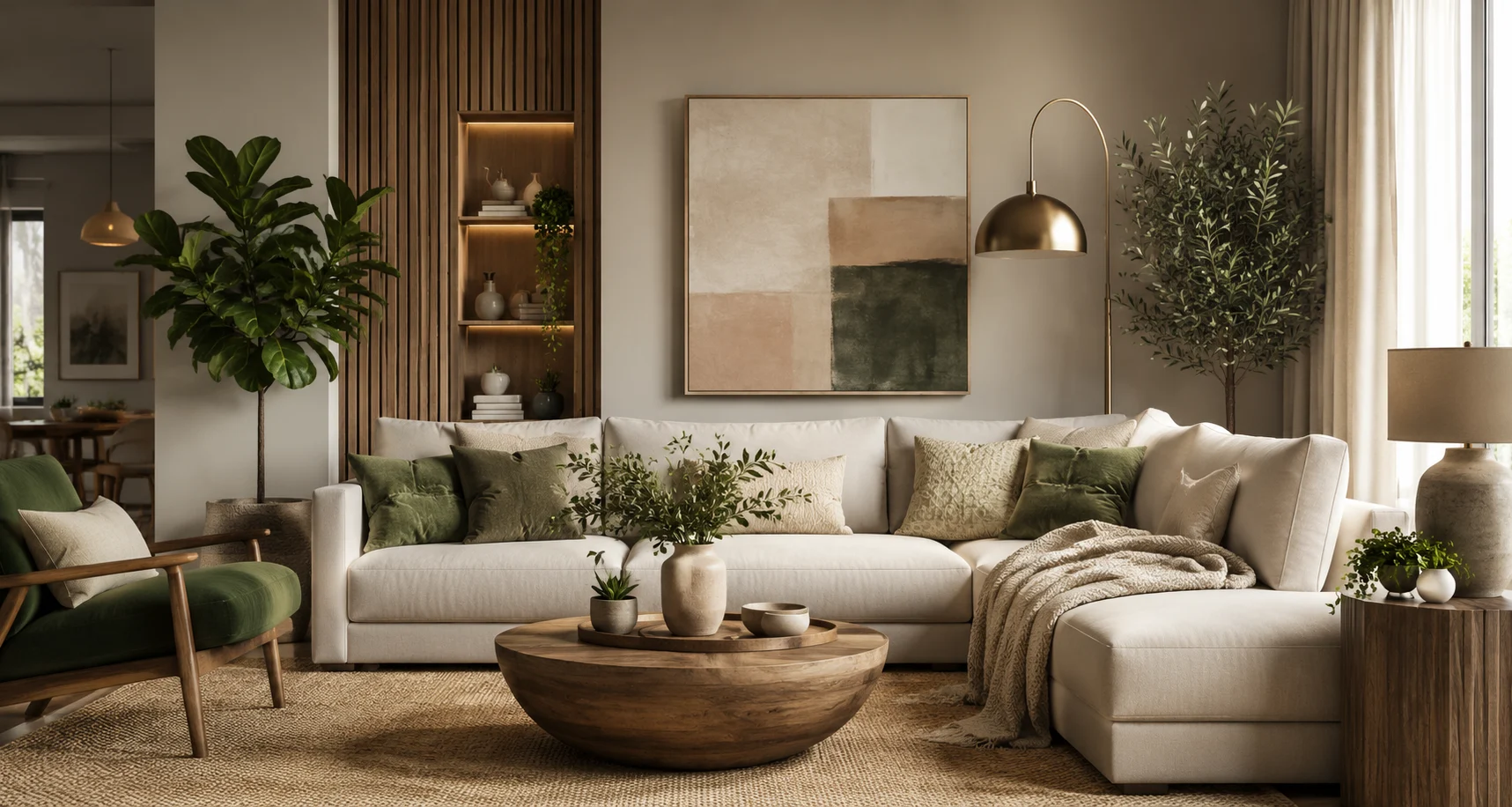
Would you like some helpful suggestions that could add life to your home, making it fresh, elegant, and warm? These are the living room decorating tips to create a cozy living space by including texture fabrics, using ambient lighting, and playing with plants. At Solera Gardens, our philosophy is that when living things are incorporated into the design of the home, what we are doing is creating a sanctuary within the space that is soothing as well as biophilic. From modern living room interior ideas to timeless rustic inspirations, we have everything covered for you.
How do you style a living room with plants?
When styling a living room with greenery, there are several aspects to consider to make sure that your plants not only survive but look purposeful in the process. Rather than arranging small pots haphazardly across every surface possible, experts advise planting according to lighting needs and creating different heights. For instance, using a taller plant on the ground together with medium-sized plants on the plant stand will create an organic cascade. Moreover, pick attractive planters, which will harmonize with your current color scheme and can be made out of terracotta, matte ceramics, or seagrass weave.
Below is a comparison of several superior houseplants in terms of their stylistic function and essential care instructions.
| Botanical Name | Common Name | Mature Height (Indoors) | Best Design Role | Light Requirement | Toxicity Status |
| Monstera deliciosa | Split-Leaf Philodendron | 6 to 10 feet | Bold focal point | Bright, indirect | Toxic to pets |
| Epipremnum aureum | Golden Pothos | 10+ feet (trailing) | Shelf cascade | Low to bright, indirect | Toxic to pets |
| Ficus lyrata | Fiddle-Leaf Fig | 8 to 10 feet | Architectural anchor | Bright, filtered | Toxic to pets |
| Dracaena trifasciata | Snake Plant | 2 to 4 feet | Linear vertical accent | Low to bright | Toxic to pets |
| Nephrolepis exaltata | Boston Fern | 2 to 3 feet | Soft hanging canopy | Medium, indirect | Safe for pets |
| Chamaedorea elegans | Parlor Palm | 3 to 6 feet | Soft, feathery screen | Medium, indirect | Safe for pets |
| Zamioculcas zamiifolia | ZZ Plant | 2 to 3 feet | Sculptural modern art | Low to medium | Toxic to pets |
How to Incorporate Living Room Decor Ideas Into Your Biophilic Design
Integrating natural designs for the living room is one of the best ways to add life to your home, transforming dull areas into vibrant environments. Combining traditional design elements with professional horticulture design will help you create a living room that is both stylish and well-balanced. Below are ten innovative ideas to integrate nature into interior design.
1. Create a Dramatic Focal Point with Monstera deliciosa
Every good room plan needs an anchor point that will catch everyone’s eye and bring life into the design. Such a good example of plant that could work as an anchor is Monstera deliciosa, a huge leafed plant with a really wild look, reminding of tropical plants. When you place this plant in a light corner of your room, it will create wonderful shadows on adjacent walls.
- Why We Selected This Variety: This is a plant which is very popular among most of the designers because of its unique features and also due to the appearance of its leaves which look like that of any other plant.
- Best for Containers: This type of plant grows very well in large and tough ceramic pots due to its enormous aerial root system.
- Solera Gardens Tip: Your monstera plant should be wiped with a wet microfiber cloth every two months. This will not only enhance its beauty but will also enhance the process of photosynthesis by absorbing sunlight.
2. Style Cascading Greenery on Open Bookshelves
However, if you desire some stylish designs for your shelves in the living room, then the use of vines becomes a necessity. The typical houseplant that one can use for this is the golden pothos with its heart-shaped leaves and fast-growing vines.
- Best for Beginners: They are plants that are not difficult to take care of since they even tolerate neglect due to the fact that they thrive on sometimes being forgotten to be watered and having different interior conditions.
- Styling Strategy: Add your vines to your books, vases, and paintings on your shelves.
3. Establish Architectural Height with a Fiddle-Leaf Fig
Fiddle Leaf Fig (Ficus lyrata) remains an indispensable element of the best ideas for living room decor with high ceilings. Due to its vertical shape and huge violin-shaped leaves, it adds immediate verticality to spaces that lack it or spaces adjacent to big windows.
- Best for Small Gardens (Indoor Corners): Because of its narrow and vertical shape, it provides maximum verticality without taking up any valuable space on the floor.
- Common Mistake to Avoid: Placing it near drafty exterior doors or heating systems leads to the loss of leaves.
4. Arrange Low-Maintenance Linear Accents with Snake Plants
For a design that involves a few lines, there is no other indoor plant like the Snake Plant (Dracaena trifasciata). This is a durable indoor plant with upward facing leaves that will provide you with all your structure and inspiration for living room décor in 2026.
- Best for Low-Maintenance Landscapes: The snake plant will withstand even when left without watering for weeks, and will flourish in conditions where other plants will not grow.
- Expert Recommendation: Display the snake plants using mid-century modern wooden pedestals to highlight their yellow edged foliage.
5. Hang Lush Canopies Using Soft Boston Ferns
Use a Boston Fern (Nephrolepis exaltata) that provides a nice tactile element of movement as well as an elegant touch in your house. The elegant, sweeping leaves of Boston fern will soften the strong lines provided by the windows and walls and give you an atmosphere of elegant Victorian greenhouse.
- Best for Humid Environments:In case there is a fireplace or a dry environment in your living room, make sure that the ferns are sufficiently watered.
- Companion Plant Suggestion:Place your ferns close to some trailing Philodendrons to create a canopy within your house.
6. Introduce Vibrant Pops of Color with Anthuriums
Since the leaves symbolize architecture in the interior design, the flowers will beautify the interior design. According to experts, Anthurium andreanum flowers are elegant flowers due to their heart shape and come in various colors such as red, pink, or white color. Putting the flowers in the side or coffee table will give an elegant impression.
- Best for Cut Flowers: Flowers from Anthurium can survive for several weeks whether placed in the flower or kept in a vase using water. In this case, the Anthurium flowers will last longer compared to other flowers.
- Light Requirements: Lighting is one of the most important factors during flowering especially during spring and summer season.
7. Build an Intricate Tabletop Terrarium
If the size of your living room is small, you will have a table top terrarium that makes an interesting microcosm. You will be able to place moisture loving plants such as Fittonia, mosses, and dwarf ferns within a stylish glass holder.
- Design Strategy: Geometric shaped glass holder with brass trim should be used in keeping with your interior hardware.
- Expert Tip: Activated charcoal is always needed at the bottom of the terrarium soil to prevent the growth of mold.
8. Soften Large Spaces with the Parlor Palm
When it comes to the heavy furniture such as large couches or heavy media consoles, the heaviness of the furniture may be compensated by the elegance of the Parlor Palm (Chamaedorea elegans), which is an elegant palm plant and as such, has elegance and lightness.
- Best for Pet Owners: In contrast to other tropical plants, the Parlor Palm is a pet-friendly plant and hence, is good for houses with cats and dogs.
- Seasonal Care Advice: During the winter season when humidity levels are low, one should check the tips of leaves since brown coloration indicates low humidity level or high mineral content of the water.
9. Craft Minimalist Symmetries with the ZZ Plant
The ZZ Plant (Zamioculcas zamiifolia) features arching stems lined with shiny, dark green leaflets that look almost polished. It is the ultimate choice for clean, structured designs where you want to highlight form over wild growth.
- Drought Tolerance Information: It stores water in the underground rhizomes; hence, the ZZ plant prefers to be in dry soil and requires water when the soil gets dried up.
- Styling Idea: Put two ZZ plants in equal ceramic pots on both sides of the mantelpiece.
10. Seamlessly Integrate Indoor and Outdoor Living
However, the ultimate point of botanical house design would be the ability to link together the interior living room of the home with the patio, garden or even sun room outdoors. Utilizing large sliding glass doors, huge windows from floor to ceiling or big sky lights will allow this to happen. In planning out such light filled spaces, structural stability is one of the major factors that you have to take into account. While the heftier projects like The Basics of Roof Replacement need professional roofer assistance, the interior styling using tropical plants under the sun is a very fun DIY project to undertake.
- Best for Pollinators: Since the summer heat kicks in, one can move their indoor citrus plant, as well as the flowering hibiscus outdoors onto the patio. As a result, they will supply nectar to the native bees and butterflies until being taken back indoors during the colder seasons.
- Experience Observation: Taking the tropical plants from the patio to the living room when preparing for winter might attract some bugs from outside. Therefore, they need to be washed with water and then insecticidal soap.
Essential Indoor Plant Care and Troubleshooting
In order to ensure that your living room looks cheerful and vibrant, it becomes necessary that you have an idea about how to look after the indoor plants. It is absolutely meaningless to make decorations using beautiful planters when your plants are dying inside them.
Common Growing Mistakes and Solutions
The most usual issue faced in all indoor gardening is the issue of overwatering. It may seem like the more watering of the plants will be, the more they will be cared for, but in reality, it causes root rotting.
- The Mistake: Watering on the basis of a set schedule.
- The Solution: Always check the moisture level of the soil either by touching it with your fingers or inserting a wooden chopstick into the top 2 inches of soil before watering.
- The Mistake: Plants grown in containers that lack holes for drainage.
- The Solution: Plants should never be planted in containers lacking any holes. Plants should always be kept in their plastic containers when planting them in decorative containers.
- The Mistake: Ignoring pests.
- The Solution: Inspect the undersides of leaves weekly for fine webbing (spider mites) or sticky residue (aphids). Treat outbreaks immediately with organic neem oil or insecticidal soap to prevent the infestation from spreading across your entire collection.
Frequently Asked Questions
How can I make my living room look elegant?
Elegance in the design of a living room demands thoughtfulness in planning the color palette, the ambient lighting and the large structural plants. Do not overcrowd your tables with small items, but invest in some good pieces of furniture and some indoor plants.
What are the best plants for a low-light living room?
Plants which can survive under these conditions include the Snake Plant (Dracaena trifasciata), the ZZ Plant (Zamioculcas zamiifolia), and the Cast Iron Plant (Aspidistra elatior). These sturdy plants can survive even in dark surroundings where there is no need for direct sun exposure.
How often should I water my indoor living room plants?
The process of watering plants within the house depends on the moisture content of the soil and not necessarily according to the schedule. Tropical plants should have the soil dries a little bit after being watered. Desert and succulent plants should have their soil dried out entirely before watering them.
Are indoor plants safe for household pets?
There are various houseplants that can be hazardous to the pets, but fortunately, there are lots of non-toxic houseplants like Parlor Palm, Boston Fern, and Spider Plant that you can use in your home. It is highly recommended that you visit the ASPCA’s website to see which plants are not toxic for your pets.
How do I prevent pests from ruining my living room plants?
It is advisable that you keep your plant leaves dust-free in order to prevent any pests and quarantine your newly bought plants for at least two weeks. If you notice that your plants have pests, you may treat them using insecticidal soaps or neem oil sprays.
Should I fertilize my indoor plants during the winter?
It is advisable not to fertilize plants inside the house during winter because the growth rate will be very slow because of the low temperatures. Using a balanced fertilizer in liquid form should start again during spring.
What is the ideal humidity level for tropical houseplants?
An optimal humidity for most tropical houseplants should be in the range of 50% and 60%. To increase the humidity in the case when the air in your home is dry because of air conditioners or winter heating, you may try grouping the plants or placing them on a humidifying tray or using a humidifier.
Conclusion
Ramping up the style quotient in your living room needn’t mean tearing down any walls. All it takes is using clever Living room decor ideas that feature elegant, air-filtering plants to create a room that has both sophistication and the ability to be very soothing. Keep in mind that gardening is an endless process of discovery; you can change the way you decorate based on how your plants develop and thrive in their new home environment. At Solera Gardens, we’re here to help you along your way towards indoor gardening success.
Before moving heavy pieces, work through our step-by-step furniture layout guide to plan the arrangement.
Check your arrangement against these common furniture layout mistakes, especially around walkways and access.