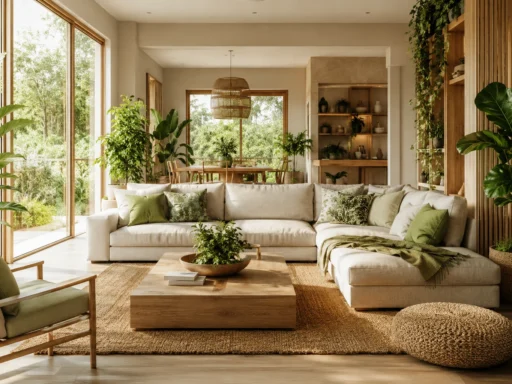
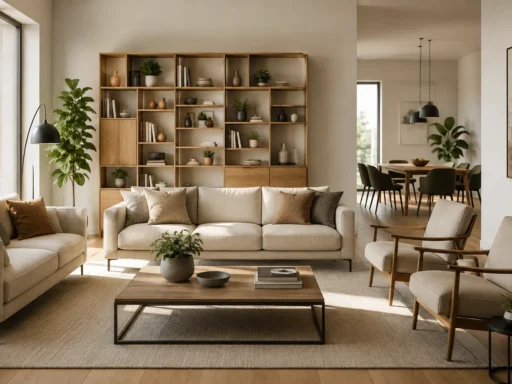
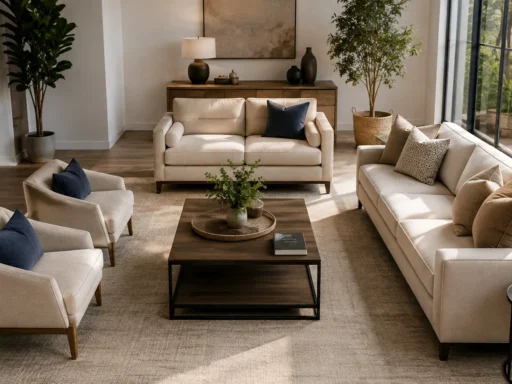
Arranging your living space can be genuinely enjoyable when you approach it as a real design project. The problem is that a few common mistakes tend to creep in, and they don’t just hurt your comfort, they can quietly wear down your indoor plants too. Many people end up with rooms packed with furniture and starved of the light their plants need. The fix comes down to finding harmony between how people move through a room and what plants actually need to thrive.
Building a home that feels cohesive means moving past some outdated design habits. Traditional decorating advice often treats plants as decoration first, tucking them into shady, poorly ventilated corners where they inevitably decline. Solera Gardens knows that good aesthetics and healthy plants aren’t in competition with each other. Here’s a guide to help you spot and fix the most common layout mistakes.
What Are the Most Common Indoor Furniture Layout Mistakes?
The biggest recurring mistake is failing to balance aesthetics with the practical realities of a room. Most people arrange furniture entirely around the TV or fireplace without thinking about how that choice affects lighting, airflow, and movement. The result is often a dim, static room that doesn’t serve people or plants like the fiddle leaf fig (Ficus lyrata) very well.
A balanced layout starts with understanding how light enters your windows and how air moves through your home. Fixing these issues rarely means buying anything new. It usually just means rethinking where everything already in your home should go, from the bulky sofa down to the smallest succulent. Below are the mistakes we see most often, along with how to fix each one.
Mistake 1: Blocking Natural Light Sources (The Window Hugger Mistake)
Positioning furniture so it blocks a window is one of the most common layout errors. A large sofa or display cabinet pushed against a window cuts off the sunlight the room needs, leaving both the space and any nearby plants feeling dim and cramped.
The Impact on Photosynthesis and Growth
When furniture sits between the wall and the window, it casts a large shadow across the room. Light intensity drops off fast as you move away from the glass, falling from roughly 1,000 lux right at the window to around 100 lux just three feet in. Plants like the snake plant (Sansevieria trifasciata) or cacti will naturally start leaning toward whatever light source they can find.
How to Fix Bad Furniture Placement for Optimal Light
Keep furniture at least 1.5 to 2 feet from the window so light can still reach the floor and walls behind it. If a piece needs to sit closer than that, choose something low profile or open framed that won’t fully block the light.
Solera Gardens Tip: If your layout requires furniture near a window, place plants there instead. Chinese evergreen (Aglaonema) and pothos (Epipremnum aureum) both do well in this spot and add a nice visual bridge between the indoors and outdoors.
Mistake 2: Disregarding HVAC Vents and Drafts
Forgetting where your HVAC vents sit is another mistake that quietly undermines a layout. A cozy chair positioned under an AC vent might feel great on a hot day, but placing sensitive plants there is asking for trouble. The temperature swings and dry airflow stress out plants and people alike.
Thermal Shock and Low Humidity Risks
Most popular houseplants come from tropical climates with steady temperatures and humidity. Blasting dry, heated air at a peace lily (Spathiphyllum) or a prayer plant (Maranta leuconeura) speeds up water loss through the leaves, leading to dried, browning edges. Cold drafts from an AC unit can push tropical plants into dormancy or cause sudden leaf drop overnight.
Smart Layout Adjustments for Airflow
Map out where your vents sit, whether on the floor, wall, or ceiling, before finalizing your layout. Keep chairs and plants at least 3 to 4 feet from any direct airflow path.
- Avoid placing tropical ferns directly beneath AC vents.
- Avoid positioning large dining tables directly over floor heating vents.
- Prefer setting up a dedicated plant zone in a bright corner with gentle, indirect air movement.
Mistake 3: Creating High Traffic Bottlenecks That Damage Foliage
Narrow, awkward pathways are a classic sign that a layout needs work. In a tight space, people end up brushing against whatever is closest to the path. Bumping a wooden coffee table is annoying. Bumping a plant’s leaves does real damage over time.
| Layout Comparison | Furniture & Plant Placement | Impact on Traffic Flow | Recommendation |
| Poor Layout: High Traffic Pinch Points | Plants placed directly beside the main walkway between the sofa and TV stand, leaving less than 24 inches (61 cm) of walking space | Foot traffic frequently brushes against plants, risking damaged foliage, knocked over pots, and a cramped feel | Avoid placing floor plants in busy pathways or right beside heavily used furniture |
| Improved Layout: Clear Pathways and Protected Green Zones | Large plants positioned in protected corners near the window, with 30 to 36 inches (76 to 91 cm) of clear walkway between the sofa and TV stand | Creates smooth circulation, protects plants from accidental contact, and makes the room feel more spacious | Keep high traffic routes open and use corners, empty wall edges, or window areas as dedicated plant zones |
| Best Plant Placement | Statement plants near windows, beside accent chairs, or in unused corners | Plants stay healthy and become intentional design features rather than obstacles | Reserve central walkways exclusively for movement |
| Best Room Size | 120 to 300 sq ft (11 to 28 m²) | Clearance matters even more in compact rooms where every inch counts | Keep 30 to 36 inches (76 to 91 cm) open for main walkways throughout |
The Physical Toll on Delicate Fronds
Plants with tender growth, like the Boston fern (Nephrolepis exaltata) and maidenhair fern (Adiantum), have fragile stems and leaves. Repeated contact from shoulders, bags, or even a pet’s tail causes broken stems, browning tips, and leaf drop over time, along with uneven, lopsided growth.
Designing Safe Pathways
Keep major hallways and passageways at least 3 feet wide, with enough clearance between people and any nearby side tables, floor lamps, or plants. If a passage has to stay narrow, choose sturdier plants like the ZZ plant, which can handle the occasional bump better than something delicate.
Mistake 4: Pushing All Furniture Against the Walls
Many homeowners assume pushing every piece of furniture to the walls makes a room feel bigger. In practice, it tends to leave the center of the room feeling empty and clinical, closer to a waiting room than a living space.
Stagnant Air and Pest Infestations
Good airflow matters for plant health. When furniture sits flush against a wall, the air behind and underneath it tends to stagnate. That stillness is exactly the kind of environment pests are drawn to.
The Power of Floating Furniture
The fix is simple: float your furniture. Pull sofas and chairs 6 to 12 inches away from the wall, and the room immediately feels warmer and more intentional. It also lets air circulate around the room’s perimeter, which helps keep both the air and your plants healthier.
Comparing Layout Strategies: Solera Gardens vs. Standard Approaches
Here’s how a typical decorating approach compares to our plant focused recommendations.
| Furniture / Plant Layout Decision | Standard Decor Approach | Solera Gardens Integrated Approach | Horticultural & Practical Benefit |
| Window Sill Treatment | Packed with small decorative items and single potted plants | Kept clear of heavy items, using hanging plants and low shelves instead | Maximizes natural light reaching deeper into the room |
| Sofa Placement | Flush against the main wall or directly in front of a window | Floated at least 1 foot off the wall or offset from the window glass | Prevents cold drafts in winter and improves air circulation around plants |
| Corner Space Utilization | Tall floor lamps or heavy corner armoires | Tall, leafy statement plants on raised stands | Accents architectural lines naturally and suits medium to low light areas |
| Coffee Table Decor | Heavy art books, candles, and trays | Small succulent gardens or trailing ivy containers | Adds living texture to the room’s center without blocking sightlines |
Designing a Harmonious Flow: A Step by Step Approach
Creating a room that feels both spacious and comfortable takes some planning. For a deeper walkthrough, see our Step-by-Step Guide to Planning Your Indoor Furniture Layout, which covers how to avoid these mistakes from the start.
Step 1: Establish Your Focal Point
Decide what your room should be built around. A TV or fireplace is the obvious choice for most people, but a large window overlooking a garden works just as well. Arrange your main seating toward that focal point without blocking access to it.
Step 2: Zone Your Space
If your room needs to serve more than one purpose, break it into distinct zones. Set up a conversation circle with the sofa and chairs, a quiet reading nook in one corner, and a plant area near your largest window. Clear zones keep a multi-purpose room from feeling cluttered.
Step 3: Match Plants to Light and Layout Zones
Once your furniture is in place, choose plants based on the light each zone actually receives.
- Bright, direct sunlight (next to south facing windows, away from tall furniture): ideal for succulents, cacti, and citrus trees.
- Bright, indirect sunlight (about 2 feet from windows, near the sides of sofas): ideal for Monstera deliciosa, fiddle leaf fig, and philodendrons.
- Dark locations (room corners, near bookcases, far from windows): ideal for snake plants, cast iron plant (Aspidistra elatior), and ZZ plants.
Solera Gardens Tip: For high shelves, choose trailing plants like the heartleaf philodendron (Philodendron hederaceum). They draw the eye upward and make the whole room feel taller.
Frequently Asked Questions
How do you fix a poorly arranged living room?
Start by establishing a clear focal point, pulling furniture away from the walls, and clearing anything blocking the main pathways. Make sure your largest piece, usually the sofa, faces that focal point directly.
Where is the worst place to put a sofa?
Directly blocking a window is typically the worst spot. It cuts off natural light, makes the room feel more crowded, restricts movement, and can damage any delicate plants placed nearby.
How far should furniture be from windows for houseplant safety?
Aim for 1.5 to 2 feet of clearance from the window glass. This keeps enough light reaching the room and gives your plants comfortable room to grow.
What is the floating furniture layout technique?
Floating furniture means pulling seating and tables away from the walls and positioning them more centrally in the room. It creates a cozier, more intentional layout while improving both movement and airflow, which helps keep pests away from your plants.
Why does a room layout feel awkward?
Awkward layouts usually come down to poor circulation, mismatched furniture scale, or a lack of a clear focal point. Blocked pathways or oddly spaced seating will almost always make a room feel disorganized.
How do indoor plants affect room layouts?
Plants function as natural dividers and soften the harder edges of furniture. Because they need specific light and humidity levels, they should factor into your furniture arrangement from the start rather than being an afterthought.
How do you balance a living room with too many doors?
Treat the paths between doors as fixed routes that furniture should never block. Create a self-contained seating “island” in the middle of the room, positioned outside the main traffic flow between doorways.
Conclusion
Knowing what to avoid is just as important as knowing what to do when designing your furniture layout. That means keeping furniture clear of windows, maintaining wide walking paths, and steering clear of HVAC drafts.
Indoor gardening and interior design are both ongoing processes, not one-time decisions. Stay open to adjusting your layout as the seasons change and your plants grow. When your furniture and your plants work together instead of competing for space, the result is a room that’s both beautiful and genuinely functional.
Before choosing a spot for a houseplant, use our indoor plant light guide to assess the available light.