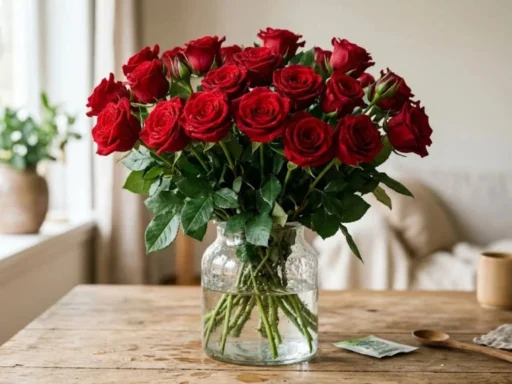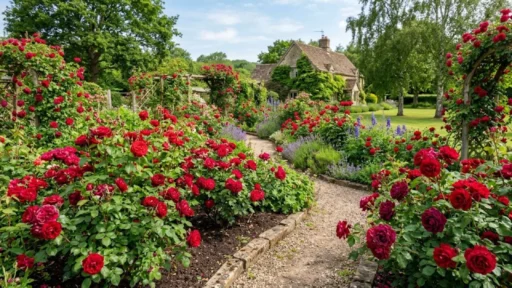
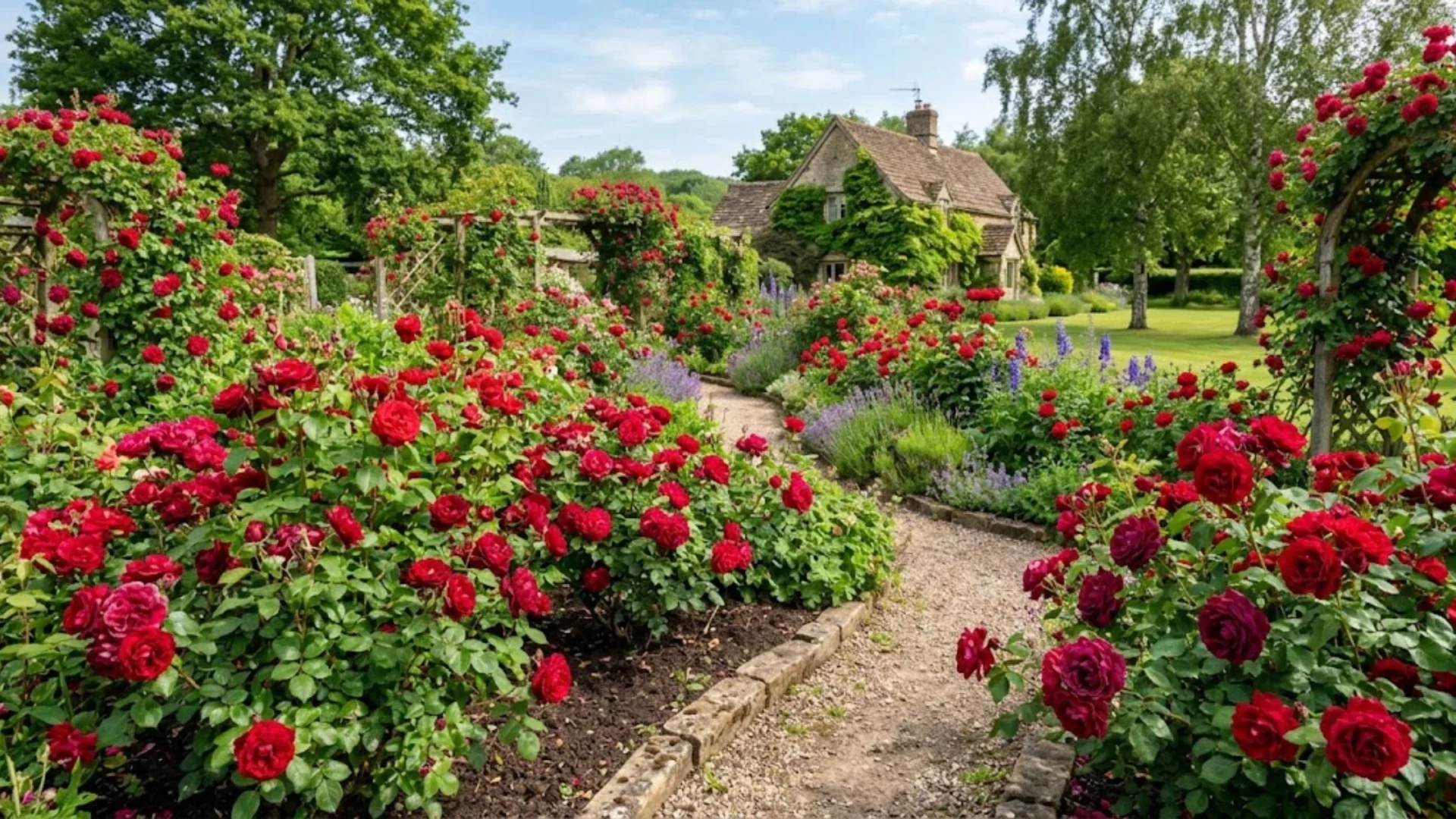
The best red rose varieties for most home gardens are Knock Out and Double Knock Out for easy, disease-resistant color; Mister Lincoln for classic fragrance and long stems; Europeana for clusters of dark red blooms; Munstead Wood for a fragrant English-style shrub; and Don Juan or Altissimo if you want a red climber. The right choice depends on how much care you want to give, whether fragrance matters, and how much space you have. At Solera Garden, we’ve grouped the best red roses to grow by the job you need them to do, so you can match a variety to your garden instead of picking from a photo.
How do you choose a red rose variety?
Before you compare individual red rose varieties, answer four questions. They narrow your options faster than browsing catalog photos:
- How much care will you give? If you don’t want to spray, deadhead often, or prune carefully, choose a shrub or groundcover rose bred for disease resistance.
- Does fragrance matter? Many of the most fragrant red roses are classic hybrid teas, which usually need more care. Many easy-care landscape reds have little or no scent.
- How much space do you have? Red roses range from groundcovers under 2 feet tall to climbers that can reach 10 feet or more.
- What’s your summer like? In hot, humid climates, disease resistance matters most. Dark red petals can also scorch or fade in intense afternoon sun.
Each red rose belongs to a broader rose class with its own growth habit. If you’re new to terms like hybrid tea and floribunda, our guide to the main rose classes and how they differ gives you the background before you choose.
Best red roses at a glance
| Variety | Rose class | Fragrance | Disease resistance | Best for |
|---|---|---|---|---|
| Knock Out (red) | Shrub | Light or none | High | Beginners, low maintenance |
| Double Knock Out | Shrub | Light or none | High | Fuller blooms with easy care |
| Drift Red | Groundcover | Light or none | High | Borders, slopes, small spaces |
| Europeana | Floribunda | Light | Moderate; can get mildew | Mass color in clusters |
| Mister Lincoln | Hybrid tea | Strong | Moderate | Fragrance and cut flowers |
| Chrysler Imperial | Hybrid tea | Strong | Lower; mildew-prone | Classic fragrance in dry climates |
| Olympiad | Hybrid tea | Little or none | Good | Bright red cut flowers |
| Munstead Wood | English shrub (David Austin) | Strong | Good | Fragrant cottage-style beds |
| Darcey Bussell | English shrub (David Austin) | Moderate | Good | Compact beds and large containers |
| Don Juan | Climber | Strong | Moderate; can get black spot | Fragrant climbing red |
| Altissimo | Climber | Light | Good | Bold single blooms on fences and walls |
| Black Baccara | Hybrid tea | Light | Lower in humid areas | Very dark red novelty |
Disease resistance and size vary with climate, so use these ratings as a starting point and check how a variety performs in your region.
Which red roses are easiest to grow?
If you want red color without much work, start here. These garden rose varieties were bred for disease resistance and repeat blooming.
Knock Out (red)
Knock Out is one of the best-known low-maintenance roses. It produces cherry-red flowers in repeated flushes from late spring to frost and is known for strong resistance to black spot. You don’t have to deadhead it to keep it blooming. The trade-off is that the flowers are simple and have little fragrance, so Knock Out is a landscape plant more than a cut-flower rose.
Double Knock Out
Double Knock Out has the same easy-care habit as Knock Out but with more petals per flower, so each bloom looks fuller and more like a traditional rose. Choose it if the original Knock Out looks too simple for your taste.
Drift Red
Drift roses are groundcover roses: low, spreading plants that usually stay around 1.5 to 2 feet tall. Drift Red gives you small red blooms on a compact plant, which makes it useful for edging, slopes, and the front of a bed. It’s also a good fit when you want the look of roses in a small space.
Which red roses have the best fragrance?
If scent is your priority, you’ll usually be choosing among hybrid teas and English roses. Most need more attention than landscape roses.
Mister Lincoln
Mister Lincoln is a classic hybrid tea with deep, velvety red blooms and a strong, sweet fragrance. Its long stems make it one of the best red roses for cutting. It’s a tall, upright plant, often 4 to 6 feet, so give it room at the back of a bed.
Chrysler Imperial
Chrysler Imperial is an older hybrid tea known for rich, dark red flowers and a strong scent. It does best in warm, dry climates. In humid or cool, damp conditions it’s prone to powdery mildew, so it’s a better choice if you’re willing to give it airflow and attention.
Munstead Wood
Munstead Wood is a David Austin English rose with cupped, fully double blooms in deep red that can darken toward purple as they age. It has a strong old-rose fragrance and a shrubby habit of around 3 to 4 feet. It suits cottage-style gardens and mixed borders.
Which red roses are best for cut flowers?
For bouquets, look for long, straight stems and blooms that hold their shape.
- Mister Lincoln: long stems and strong fragrance; the classic choice.
- Olympiad: bright, clear red blooms on long stems. It has little fragrance but is valued for its vivid color and vigor.
- Black Baccara: very dark, almost black-red petals. It was developed largely for the cut-flower trade. In the garden it can struggle with black spot and mildew in humid climates, and its color can look lighter in strong heat.
Which red roses are best for climbing?
Climbers give you a wall of red on fences, arbors, and trellises.
Don Juan
Don Juan is a climber with large, velvety crimson blooms and a strong fragrance. It typically reaches 10 feet or more. It can be susceptible to black spot and may need winter protection in cold climates, but it’s one of the few climbers that combines deep red color with real scent.
Altissimo
Altissimo has large, single blood-red flowers, each with a ring of golden stamens at the center. It’s vigorous and generally disease resistant, with light fragrance. Because the blooms are single rather than double, it gives a bolder, simpler look than most red roses.
Which red roses work in small gardens and containers?
If your space is limited, choose a compact variety:
- Drift Red: low and spreading; good in wide containers and narrow borders.
- Darcey Bussell: a David Austin English rose with deep crimson blooms on a fairly compact shrub, usually around 3 feet. It can grow in a large container.
- Knock Out (red): can be kept smaller with spring pruning, and works in very large pots.
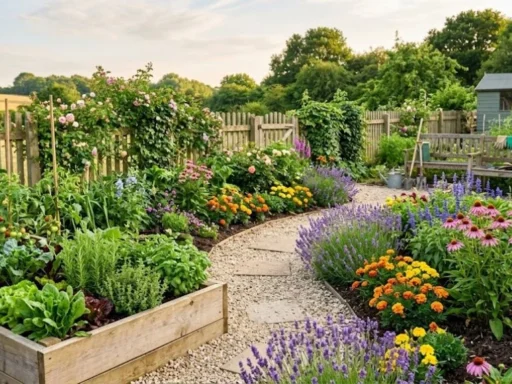
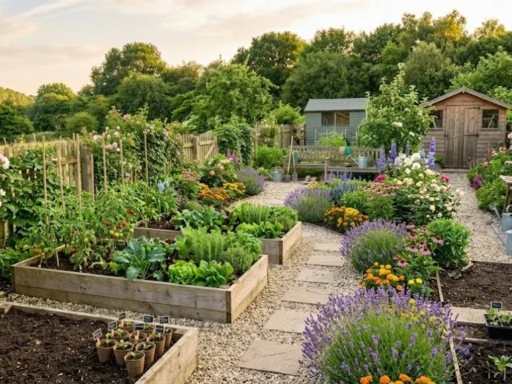
When you plan where your rose goes, keep it in full sun with space for air to move around it. Our beginner garden layout ideas help you place roses so they’re easy to reach for pruning and deadheading.
What should you check before you buy?
A great variety can still struggle in the wrong conditions. Before you buy, check these points:
- Sun: every variety on this list needs at least six hours of direct sun. In hot climates, morning sun and afternoon shade help protect dark red petals.
- Soil: roses prefer well-drained soil rich in organic matter, with a slightly acidic pH. Our guide to testing and improving garden soil shows you how to check yours before planting.
- Hardiness: confirm the variety is rated for your USDA hardiness zone (or local equivalent). Climbers and hybrid teas may need winter protection in cold areas.
- Grafted or own-root: own-root roses grow on their own roots and can regrow true to type if winter kills the top growth. Grafted roses need the bud union planted at the right depth for your climate.
- Wildlife: deer readily eat rosebuds. If deer visit your garden, plan for protecting your flowers from deer before your roses come into bloom.
After planting, a layer of mulch keeps soil moisture even and roots cooler in summer. See how to mulch a garden the right way, and keep mulch a few inches away from the canes.
Frequently asked questions
What is the easiest red rose to grow?
For most beginners, red Knock Out or Double Knock Out is the easiest choice. Both are bred for disease resistance and keep blooming without deadheading. Drift Red is a good alternative if you need a shorter plant.
What is the most fragrant red rose?
Mister Lincoln, Chrysler Imperial, Munstead Wood, and Don Juan are all known for strong fragrance. If fragrance is your top priority, start with Mister Lincoln for a classic hybrid tea or Munstead Wood for an English-style shrub.
Why does my red rose look more purple or faded than the label photo?
Red petal color changes with heat, sun, and age. Many red roses look lighter in midsummer heat and richer in cooler spring and fall weather. Some deep reds, such as Munstead Wood, naturally darken toward purple as the flowers age.
Your next step
Pick the single most important quality for your garden: easy care, fragrance, cut flowers, climbing, or compact size. Then start with the matching variety above. Check its hardiness rating for your area, find a spot with at least six hours of sun, and buy from a nursery that labels whether the plant is grafted or own-root. Starting with the right variety will save you more work than any amount of spraying or feeding later.