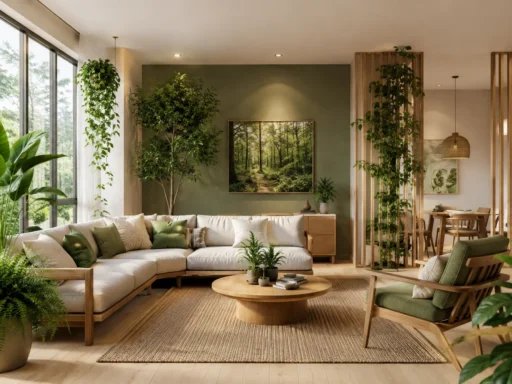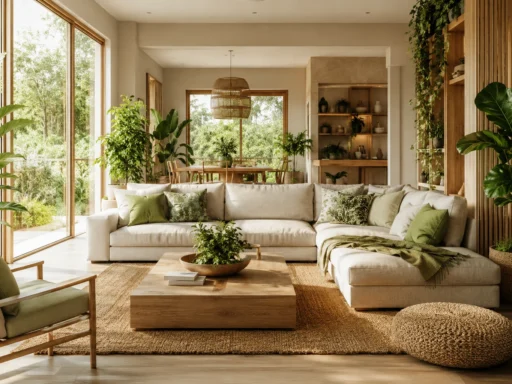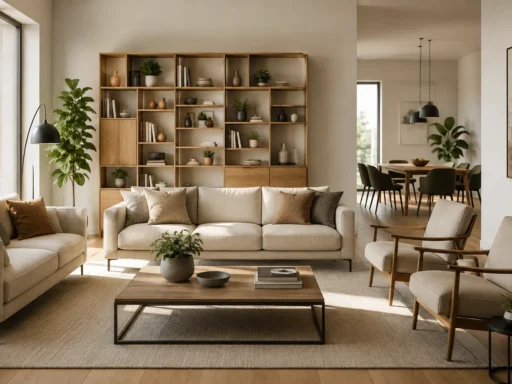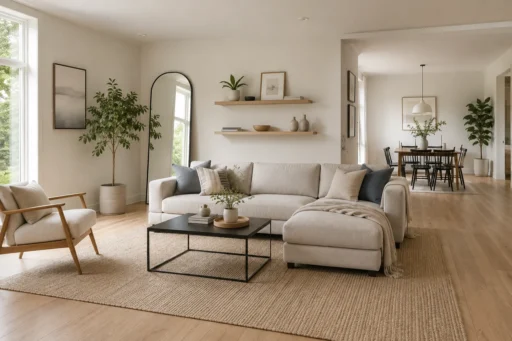
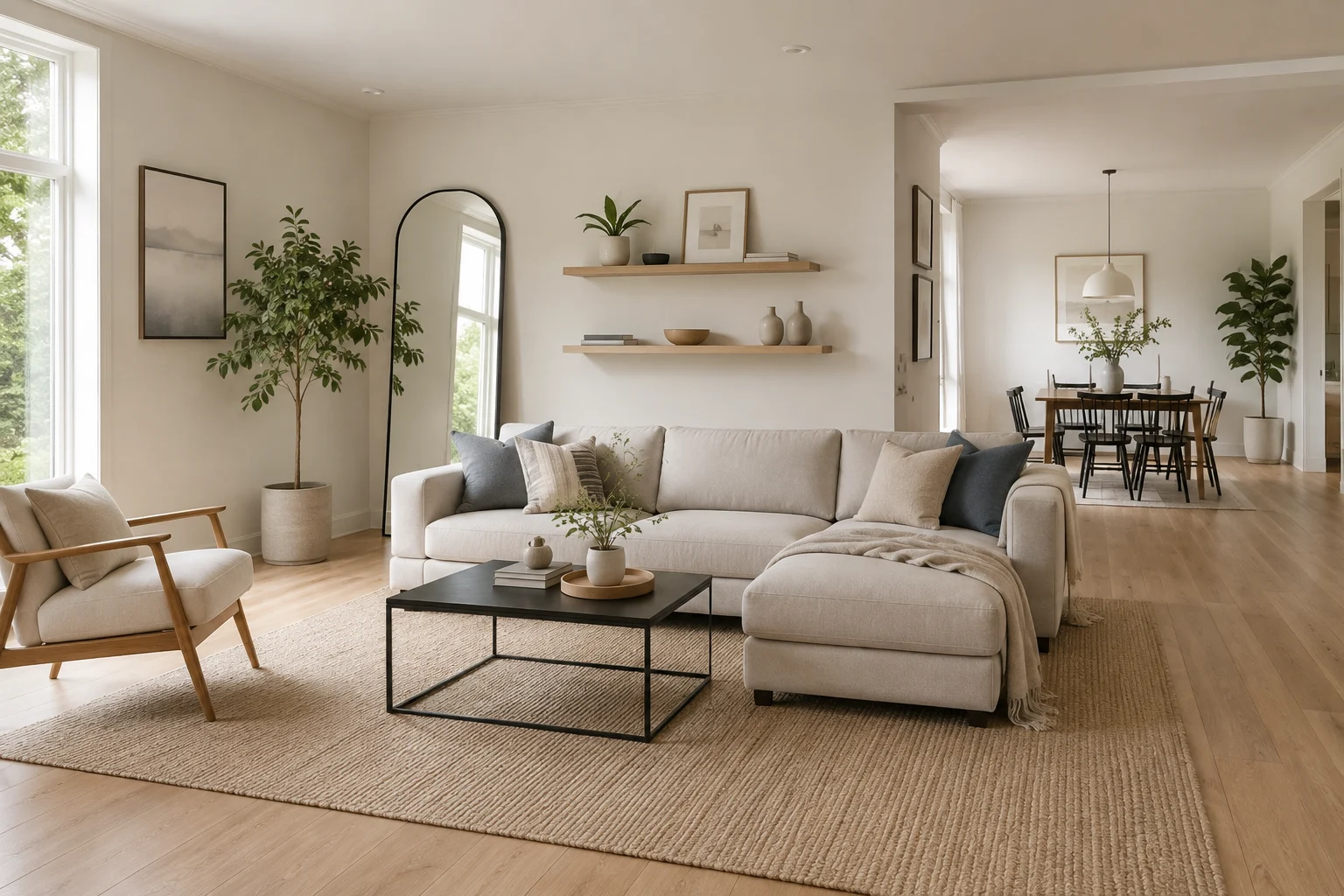
Walking into a room that feels cramped instantly kills your sense of calm and creativity. The good news: you can make a room feel twice as big in minutes with the right indoor furniture layout ideas — clear pathways, streamlined seating, and smart use of light. Keep bulky pieces away from focal points and add a few tall statement plants to shift how the space reads. At Solera Gardens, we believe your home should feel as fresh and alive as a garden.
Whether you’re in a tight urban apartment or a narrow room, rearranging your furniture is one of the fastest, cheapest ways to bring new life into your space. Here are the design principles and layout ideas that do it best.
How do you arrange furniture to make a room look bigger?
Smart furniture arrangement starts with understanding visual weight and sightlines. If you want a small space to feel grand, resist the urge to push every piece against the wall — that only highlights how small the room is. Pulling your sofa even an inch away from the wall creates an instant sense of depth.
Every room also needs a clear focal point — a large window, a fireplace — with furniture arranged to frame it, not block it. Choosing pieces with visible legs helps too: when you can see the floor beneath a sofa or chair, the room reads as more open.
Planning the perfect indoor furniture layout also means planning your traffic patterns first. Clear, intuitive pathways make any room feel instantly larger and easier to live in.
Core Principles for Successful Indoor Furniture Layout Ideas
Making a room feel bigger through furniture placement means blending interior design principles with the calming effect of nature. A room should never feel static — scale, balance, and greenery keep it feeling alive.
1. Maintain Unobstructed Sightlines: Your eye should move freely across the room without hitting bulky furniture. Keep smaller pieces near the entrance and reserve larger items — shelving, plant arrangements — for the corners.
2. Embrace the “Float”: Floating furniture means anchoring your main seating in the center of the room instead of pushing it against the walls. This opens a walkway around the seating area, making it one of the best layouts for saving space in medium to large living rooms.
3. Use Plants as Architectural Anchors: Designers often call indoor plants “living sculptures.” A striking plant in a neglected corner softens hard architectural lines and draws the eye away from tight floor space. The Ficus lyrata (Fiddle Leaf Fig), for example, thrives in bright, indirect light and makes a strong anchor piece.
Solera Gardens Tip: When placing large plants near seating, keep them clear of walking paths. Plants that get brushed against constantly drop their leaves faster and make the space look cluttered instead of curated.
10 Genius Layout Ideas to Maximize Visual Space
1. The Floating Conversation Circle
Instead of lining sofas and chairs against the walls, cluster them in the center of the room to create a natural conversation spot. This works especially well in open-plan homes, since it defines the living area without blocking other walkways.
Anchor the floating furniture with a small coffee table and tie the look together with an area rug. A medium-size Spathiphyllum (Peace Lily) adds softness to the layout.
2. The Vertical Accent Layout
If your floor space is limited, build upward. This layout uses wall space to draw the eye toward the ceiling, making the room feel taller.
Open-backed tall shelving works well for storage while keeping the space visually light. A trailing Pothos (Epipremnum aureum), with its heart-shaped variegated leaves, cascades down the shelves for a lush effect.
3. The Multi-Functional Zone Divider
This layout works best when one open space needs to serve as living room, dining area, and home office. Instead of building walls or adding folding screens, use low-backed furniture to define zones without closing them off.
A low console table or long bookshelf behind a floating sofa separates the living and dining areas. Line the console with Snake Plants (Sansevieria trifasciata, now classified as Dracaena trifasciata) — their vertical leaves act as a natural divider while keeping the space feeling open. Snake Plants are low-maintenance, needing only low to bright indirect light and minimal watering.
| Feature | Recommendation |
| Best Room Size | Open-plan living/dining areas up to 150 sq ft (14 m²). Larger spaces: use a longer console or more plants for balance. |
| Divider Furniture | A low console table or long bookcase behind a floating sofa. |
| Recommended Plant | 3–5 Snake Plants, evenly spaced along the console. |
| Furniture Spacing | 30–36 in (76–91 cm) clearance for walkways around the console and sofa. |
| Plant Spacing | 12–18 in (30–45 cm) apart for a continuous green divider. |
| Light Requirements | Low to bright indirect light — works almost anywhere indoors. |
| Watering Needs | Only when soil is fully dry, roughly every 2–4 weeks. |
| Key Benefits | Natural room divider, preserved sightlines, low maintenance. |
4. The Diagonal Seating Trick
Angling your key furniture diagonally creates an unusual but highly effective layout. Set the sofa or armchair on a diagonal to the wall so the eye is drawn to the far corners of the room instead of the nearest ones.
This creates a natural pocket of space behind the furniture — ideal for a Strelitzia nicolai (Giant White Bird of Paradise), which can grow up to 6 feet tall with dramatic, banana-like leaves.
5. The Low-Profile Minimalist Setup
Low furniture creates the illusion of higher ceilings. Low sofas, platform beds, and floor cushions open up visual space above.
Pair low furniture with tall, slim plants for a touch of elegance without added bulk. Dracaena marginata (Madagascar Dragon Tree), with its slender stems and pointed leaves, adds height while needing very little water.
6. The Mirror-Reflected Oasis
Mirrors are one of the oldest tricks for expanding a small space — they bounce light into the darkest corners of a room. Position a large wall or floor mirror directly across from a window for the best effect.
Place a lush, large-leafed plant next to or just in front of the mirror to double its visual impact. A Monstera deliciosa (Swiss Cheese Plant) reflected in the mirror gives the impression the greenery stretches on endlessly.
Solera Gardens Tip: Avoid placing delicate plants like ferns or calatheas near mirrors in direct midday sun — the reflected heat can scorch their leaves.
7. The Unobstructed Pathway Layout
In very small or cramped rooms, keep one full pathway completely clear. Push all furniture to one side of the room and leave the other side open for movement.
Since floor space is limited, hanging planters bring in greenery without eating into the walkway. A Spider Plant (Chlorophytum comosum), with plantlets cascading from its stalks, works beautifully as a hanging chandelier of green.
8. The Symmetric Balance Layout
Symmetry reads as order, and order reads as space. Place two identical armchairs facing each other with an empty side table between them.
Balance it out with a matching pair of plants — Zamioculcas zamiifolia (ZZ Plant) works well here, thanks to its glossy leaves and reputation as one of the hardest houseplants to kill, even in low light.
9. The L-Shaped Corner Configuration
An empty corner is prime real estate. An L-shaped sectional or corner desk setup makes the most of it while keeping the rest of the room open and accessible.
Since a corner sectional can feel heavy, offset it with something delicate — an Adiantum (Maidenhair Fern) works well, though it’s a higher-maintenance plant that needs consistent humidity and moisture.
10. The Window-Facing Sunroom Vibe
Instead of facing your sofa toward a blank wall or TV, angle it toward your largest window or glass door. This visually extends your living space out into the yard or garden beyond.
This layout also suits sun-loving plants. A dwarf Improved Meyer Lemon tree placed near the window, where it gets about six hours of daily sun, adds fragrant white flowers and real fruit — a bit more demanding to grow indoors, but well worth it.
Space-Saving Layouts and Plant Companions
| Layout Style | Best Furniture Piece | Recommended Plant | Ideal Light | Pet Safety |
| Floating Conversation | Raised-leg sofa | Spathiphyllum (Peace Lily) | Low to medium indirect | Toxic to pets |
| Vertical Accent | Open-backed tall shelving | Epipremnum aureum (Pothos) | Low to bright indirect | Toxic to pets |
| Multi-Functional Divider | Low console table | Sansevieria (Snake Plant) | Tolerates low to direct | Toxic to pets |
| Diagonal Seating | 45-degree accent chair | Strelitzia nicolai (Bird of Paradise) | Bright, direct | Toxic to pets |
| Low-Profile Minimalist | Platform sofa | Dracaena marginata (Dragon Tree) | Moderate, indirect | Toxic to pets |
| Mirror-Reflected | Large wall mirror | Monstera deliciosa (Swiss Cheese) | Bright, indirect | Toxic to pets |
| Unobstructed Pathway | Wall-hugger seating | Chlorophytum comosum (Spider Plant) | Medium to bright indirect | Safe for pets |
| Symmetric Balance | Paired armchairs | Zamioculcas zamiifolia (ZZ Plant) | Deep shade to indirect | Toxic to pets |
Common Layout and Houseplant Placement Mistakes
Blocking natural light sources Mistake: Furniture placed in front of windows blocks light from entering the room. Fix: Keep windows clear. Use plant stands or low furniture near windows so sun-loving plants can still get their light.
Neglecting plant environmental needs for aesthetics. Mistake: Placing a high-light plant in a dark corner because it “fits the layout.” Fix: Prioritize your plant’s needs over the design. For dark corners, choose a low-light plant like the ZZ Plant, or add a grow light disguised as a floor lamp.
Overcrowding pathways Mistake: Furniture or pots too large for the walkway. Fix: Measure your space before buying new furniture or plants, and keep at least 30 inches of clearance in main walking paths.
Frequently Asked Questions
What furniture makes a room look bigger?
Low-profile furniture with visible legs and frames. Light, air-permeable pieces — like glass coffee tables and open shelving — reinforce the effect.
Where should you put a sofa in a small room?
Facing the main entrance, or pulled slightly away from the longest wall. Keeping breathing room around the sofa creates a sense of space.
How do you arrange furniture in a long, narrow living room?
Split the room into two zones — a reading corner and a main seating/TV zone — and keep the center pathway open so it doesn’t feel like a hallway.
What colors make a small room look bigger?
Light white, blue, gray, and green reflect natural light and make a room feel larger, especially when paired with furniture in similar light tones.
Can houseplants make a small room look bigger?
Yes. Tall, slim plants like Snake Plants draw the eye upward, and trailing plants like the Spider Plant soften hard edges — both make a room feel larger.
Is a sectional or a sofa better for a small living room?
An L-shaped sectional tucked into a corner usually beats a separate sofa-and-armchair setup — it adds seating while freeing up the center of the room.
How do you arrange a bedroom with a lot of furniture?
Center the bed on the main wall, use vertical storage (like a tall wardrobe) instead of floor space, and keep nightstands slim with wall-mounted lighting.
Conclusion
A welcoming, spacious-feeling interior comes down to balancing comfort, function, and a touch of nature. Try one or two of these indoor furniture layout ideas, and you’ll open up even the smallest, trickiest room. Add reflective surfaces, build vertically, and bring in a few air-purifying houseplants to finish the look.
Ready to find the right plant for your layout? Browse Solera Gardens‘ tips on low-maintenance houseplants built for small spaces.
Before moving heavy pieces, work through our step-by-step furniture layout guide to plan the arrangement.
Check your arrangement against these common furniture layout mistakes, especially around walkways and access.