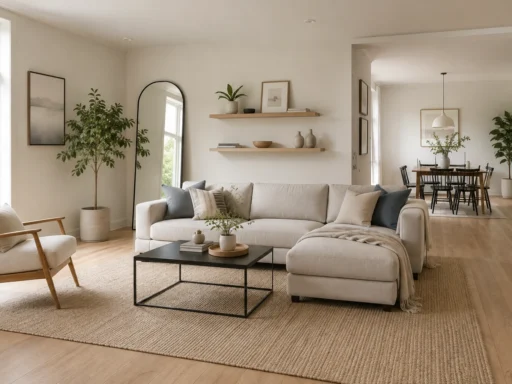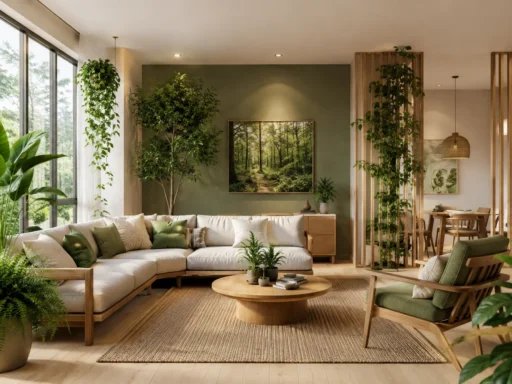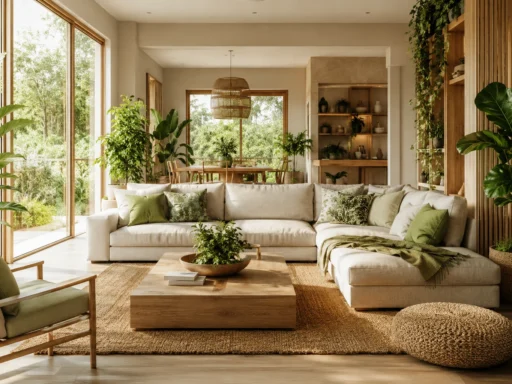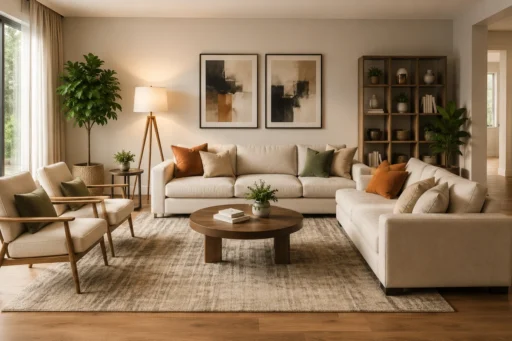
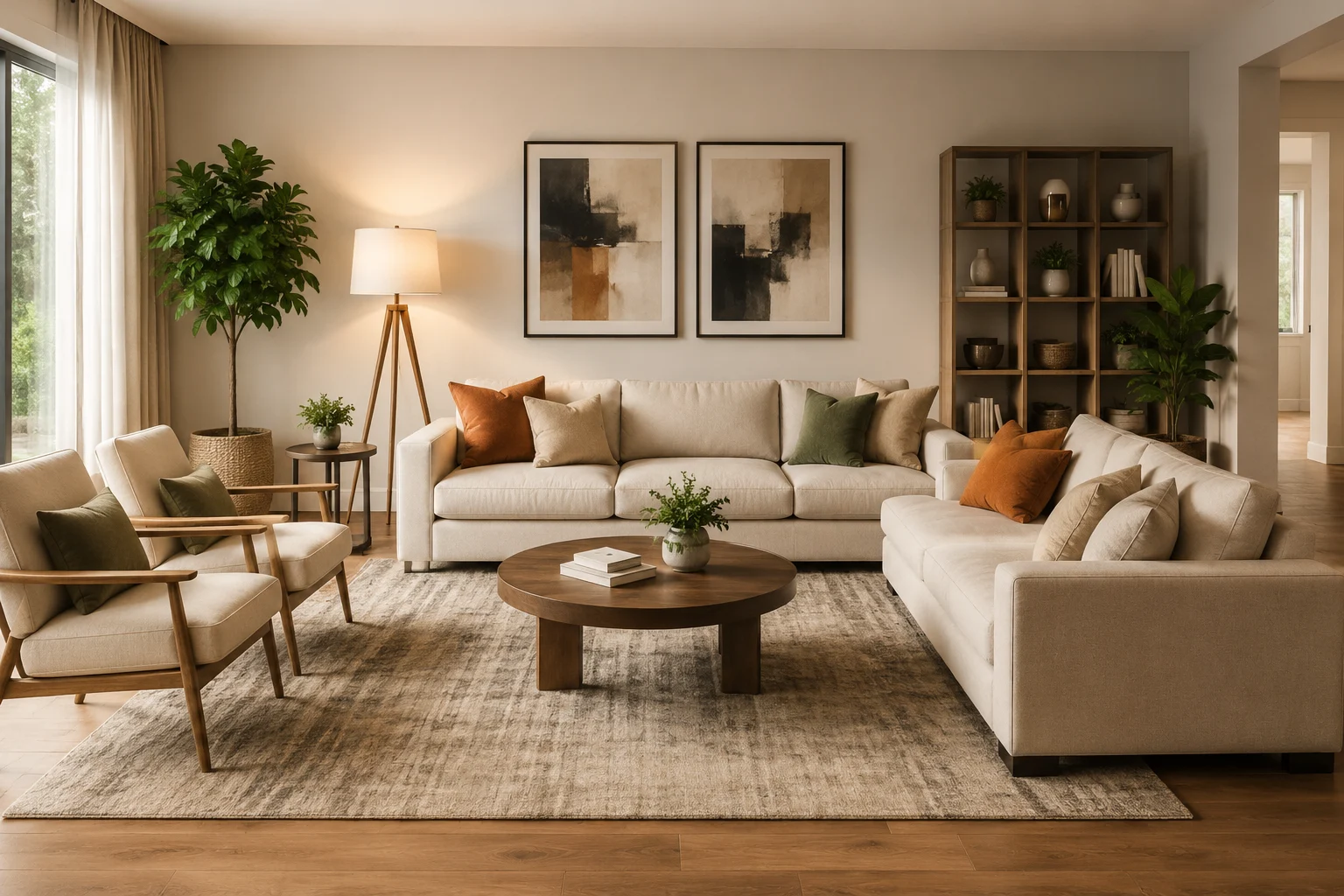
Organizing a room well means finding the right balance between comfort, movement, and the environmental needs of your indoor plants. The best furniture layouts create an open, flowing space that makes the most of natural light for both people and container plants.
At Solera Gardens, we believe great room design works with nature, not against it. Positioning your furniture based on how light moves through your space helps you and your plants get the most out of every room. Whether you’re working with a small sunroom or a large open concept living area, these layout principles will help you create a more balanced, harmonious home.
How Do You Arrange Furniture in a Room?
Start by identifying the room’s focal point. This could be a fireplace, a TV, or even a window, and your furniture should generally face it. Leave enough room for a clear pathway, ideally between 30 and 36 inches.
Think about how people move through the space before placing any large pieces. Sofas and high back chairs should never block the main entry point into a room. Instead, position them within the open areas of the space so they support movement rather than restrict it.
Solera Gardens Tip: Mapping Your Indoor Light Microclimates
Before finalizing furniture placement, spend some time observing how light enters the room throughout the day. South and west facing windows bring in strong, direct light that sun loving plants thrive on, but that same light can fade delicate fabrics over time. Keep fragile wood pieces and upholstered furniture a bit further from these bright zones.
What Are the Best Indoor Furniture Layout Tips for Harmonious Living?
Strategic furniture placement does more than make a room look balanced. It improves airflow, lighting, and overall comfort while giving every element in the room a clear purpose. Whether you’re working with a narrow entryway or a large family room, these placement principles apply across the board.
Establish a Clear Hierarchy of Scale
A good layout mixes different heights and weights of furniture so the eye moves naturally through the space. Pairing tall pieces, like a bookcase or an indoor tree, with lower seating creates visual interest. Avoid grouping all your heavy furniture in one corner, since this tends to make a room feel lopsided.
For inspiration specific to your main living space, see our guide on theBest Indoor Furniture Layout Ideas for a Modern Living Room. Pairing larger structural pieces with softer, more organic textures is often what separates a well designed room from an average one.
Maintain Proper Clearance Zones
A few simple spacing rules go a long way toward preventing a cramped feeling in your living room:
- Coffee table to sofa: Leave 14 to 18 inches between the sofa cushions and the coffee table so you can move comfortably.
- Passageways: Keep walkways at least three feet wide so two people can move through at once.
- Between seating pieces: Space out conversation areas by 4 to 10 feet.
Designing Around Light Zones and Plant Microclimates
A common mistake homeowners make is treating furniture and indoor plants as two separate design categories. When you plan them together, you can arrange your furniture in a way that keeps sightlines open to your greenery while still giving your plants the light they need.
| Layout Element | Recommended Placement | Purpose & Design Tip |
| South Facing Window | Reserve the area within 0 to 2 feet (0 to 60 cm) of the window for plants that need bright, direct sunlight | Offers the strongest natural light for sun loving houseplants and edible container plants |
| Plant Stands | Position matching stands on either side of the window or seating area, with 18 to 24 inches (46 to 61 cm) between them and nearby furniture | Creates a symmetrical display while maximizing light exposure |
| Recommended Plants | Succulents, cacti, citrus trees, jade plants, and aloe vera work well on plant stands | These species thrive with several hours of direct sun and make an attractive focal point |
| Coffee Table | Center it 16 to 18 inches (41 to 46 cm) from the sofa | Anchors the seating area while keeping circulation easy |
| Main Sofa | Place opposite the window with 30 to 36 inches (76 to 91 cm) of clearance around it | Lets you enjoy the light while keeping the layout open and functional |
| Best Room Size | 180 to 300 sq ft (17 to 28 m²) with a large south facing window | Maximizes daylight and creates a bright, welcoming living space |
Navigating Window Exposures for Furniture and Foliage
Window orientation shapes both furniture placement and plant selection throughout your home. North facing windows offer cool, steady light that works well for sensitive wood desks or reading chairs you’d rather keep out of harsh sun. This lower light level also suits plants like the cast iron plant or ZZ plant.
South and west facing windows, on the other hand, bring in strong direct sunlight. Placing soft upholstered sofas in that path can fade fabric and break down fibers over time. Keep furniture roughly 4 to 6 feet back from south facing windows, and use that sunny border for plants like snake plant (Dracaena trifasciata) or succulents that thrive in intense light.
Grouping Plants to Create Living Room Dividers
Grouping plants of different heights together is another form of companion planting indoors. As plants transpire together, they raise the surrounding humidity, which benefits moisture loving species like the Boston fern (Nephrolepis exaltata).
This technique also works well alongside furniture placement to define zones in an open concept space. A multi tiered plant stand filled with greenery next to an armchair can act as a natural divider between a dining area and a relaxing space, without the need for a wall.
Essential Furniture Layout Tricks for Beginners
Setting up a room from scratch can feel overwhelming at first. A few foundational habits make the process much easier.
Float Your Furniture Away from the Walls
Many people push every piece of furniture against the wall to make a room feel bigger. In practice, this often has the opposite effect, creating a stiff layout that doesn’t encourage conversation.
Instead, pull sofas and chairs a few feet away from the walls to create a cozier, more intentional seating area. Use the freed up wall space for shelving or art, including trailing plants like pothos (Epipremnum aureum).
Create Functional Zones in Large Spaces
In a long, narrow room, resist the urge to stretch one seating area across the entire length. Break the space into two or three distinct zones instead, each with its own purpose. An area rug under the main seating group, paired with a writing desk or dedicated plant corner elsewhere, makes this easy to achieve.
Solera Gardens Tip: Keeping Airflow Paths Open
Good ventilation prevents stagnant air, which can lead to fungal issues like powdery mildew and pest problems like spider mites on your plants. Avoid placing heavy bookcases or armoires directly in front of heaters, air conditioning units, or windows.
Integrating Large Statement Plants into Your Layout
Large specimen plants deserve to be treated as part of your furniture plan, not an afterthought. A mature, well placed plant can turn an empty corner into a design feature and bring life to the whole room.
| Layout Element | Recommended Placement | Purpose & Design Tip |
| Fiddle Leaf Fig (Corner Anchor) | Place in an empty corner near the seating area, 6 to 12 inches (15 to 30 cm) from the wall | Serves as a vertical focal point and fills unused corners without taking up floor space |
| Accent Chairs | Position two chairs facing the sofa, 18 to 24 inches (46 to 61 cm) from the coffee table | Builds a balanced conversation area while keeping the room open |
| Monstera Deliciosa | Place beside or slightly in front of a console table or media unit with bright indirect light | Softens hard furniture edges and adds a lush, tropical feel |
| Main Sofa | Center as the primary seating piece with 30 to 36 inches (76 to 91 cm) of walkway clearance | Anchors the layout and keeps circulation smooth |
| Plant to Furniture Spacing | Keep large floor plants 12 to 24 inches (30 to 60 cm) from seating | Preserves visual balance and prevents foliage from blocking walkways |
| Best Room Size | 180 to 300 sq ft (17 to 28 m²) | Leaves enough room for multiple seating pieces and statement plants without feeling cramped |
The Fiddle Leaf Fig (Ficus lyrata) Corner Layout
This plant is known for its large, fiddle shaped leaves and upright growth habit, often reaching 6 to 10 feet tall indoors.
Place it in a corner with plenty of indirect light, away from exterior doors and heating vents. Sudden temperature swings in these spots can shock the plant and cause it to drop its leaves.
Softening Edges with Monstera (Monstera deliciosa)
The Monstera’s split leaves and sprawling growth habit make it a great counterpoint to the clean, rigid lines of modern furniture. A mature Monstera positioned near the straight edge of a wooden console or sideboard adds instant softness to the look. Since the plant naturally climbs for support, adding a moss pole to the pot helps it grow upright.
Low Maintenance Choices for Darker Layout Corners
If your ideal furniture arrangement leaves a darker corner behind, skip high light tropical plants and choose something more resilient instead.
The ZZ plant and the dark leafed snake plant can hold up in low light corners for years without losing their shape. The cast iron plant is another sturdy option, growing slowly but rewarding you with rich, dark green foliage.
Comparing Common Layout Mistakes and Better Biophilic Solutions
The table below breaks down frequent furniture layout mistakes and how to fix them using practical, plant friendly design choices.
| Layout Mistake | Daily Living Problem | Horticultural Issue | Better Biophilic Solution |
| Pushing all seating flat against walls | Conversation feels distant and forced | Leaves the bright center of the room empty of life | Float seating inward and use the freed wall space for vertical shelving and low light trailing plants |
| Placing bulky furniture in front of large windows | Blocks natural light and outdoor views | Deprives light hungry plants of needed solar energy | Pull seating back 3 to 4 feet and place low profile benches or plant stands in the window zone instead |
| Positioning plants directly next to heating vents | Creates an uncomfortable, drafty seating area | Rapidly dries out soil and scorches tropical leaves | Move furniture and plants at least 3 feet from active vents to maintain stable humidity |
| Clustering heavy furniture on one side of a room | Makes the room feel unbalanced and cluttered | Blocks cross ventilation between zones | Distribute large pieces evenly and use lightweight plant stands to offset heavy wooden cabinets |
Seasonal Adjustments for Your Furniture and Indoor Garden
Your indoor layout should shift with the seasons just as an outdoor garden does. As the sun’s angle changes from winter to summer, the microclimates inside your home change with it.
Winter Layout Adjustments
In winter, the sun sits lower on the horizon and daylight hours shrink. This can affect light sensitive plants, especially ones positioned deeper in the room.
Consider pulling your seating slightly back from the windows during winter to give your plants more room closer to the glass. This lets your plants soak up all the winter sun available while you stay comfortable in your main seating area.
Summer Layout Adjustments
Summer brings a higher, more intense sun. Rooms facing south and west can overheat quickly, and a sofa placed in direct summer sunlight can make a room uncomfortably warm.
This is a good time to shift seating toward shadier parts of the room. Use the newly sunny window sills for drought tolerant succulents or heat loving herbs instead.
Troubleshooting Your Indoor Living Spaces
Even with careful planning, you may run into a layout that feels off or plants that seem to be struggling. Here are a few common fixes.
Handling Awkward Corners and Blind Spots
If a corner is too small for a chair but still looks bare, skip trying to force furniture into it. A plant stand works much better here. English ivy (Hedera helix) or Chinese evergreen (Aglaonema) both do well in this kind of spot.
Preventing Dust and Pest Issues on Indoor Foliage
Plants in busy living spaces tend to collect dust on their leaves, which interferes with photosynthesis. Wipe down large leaved plants like Monstera or rubber tree (Ficus elastica) with a damp cloth on a regular basis.
While cleaning, check the undersides of the leaves for pests like fungus gnats or spider mites. If you spot an infestation, treat it right away with an organic insecticidal soap or neem oil.
Frequently Asked Questions
How do I know if my furniture layout is too crowded?
If you have to twist your body to move through the room or can’t open doors and cabinets without bumping into furniture, the layout is too tight. Aim for at least 30 inches of open walking space throughout the room.
Can I place indoor plants directly on top of wooden furniture?
It’s best to avoid this, since moisture from the pot can seep through and damage the wood finish over time. Use a non porous saucer underneath the pot, or place it in a plastic lined cachepot for protection.
What are the best low light plants for a dark room layout?
The ZZ plant (Zamioculcas zamiifolia), snake plant (Dracaena trifasciata), and cast iron plant (Aspidistra elatior) are all excellent choices for poorly lit rooms. Each one tolerates low light well and needs very little water to thrive.
How far should my sofa be from a large window filled with plants?
Keep the sofa at least 3 to 4 feet from a window with plants so you’re not blocking the light they need. This distance also helps protect the sofa’s upholstery from fading due to UV exposure.
How do I balance a room that has a TV and a fireplace?
Position the sofa to face the fireplace as the room’s main focal point, and place the TV on the opposite wall at a comfortable viewing height. This way, both features get proper attention without needing to mount the TV above the fireplace.
Are there common houseplants that are toxic to pets?
Yes. Popular plants like fiddle leaf fig (Ficus lyrata), Monstera (Monstera deliciosa), and pothos (Epipremnum aureum) are toxic to cats and dogs. If you have curious pets, keep these out of reach or choose a pet friendly alternative like the spider plant (Chlorophytum comosum).
How often should I rearrange my indoor plants to match changing seasons?
Check your plant placement about twice a year, near the end of spring and the end of fall, to account for shifting light conditions. Moving light sensitive plants away from direct sun in summer and closer to windows in winter helps keep them healthy year round.
Conclusion
A well designed indoor space comes down to balancing human comfort with visual harmony. That means arranging seating for smooth movement, positioning furniture to welcome in natural light, and layering in greenery that brings the whole room to life.
Approaching your furniture layout with these light and plant focused principles in mind can help you build a healthier, more balanced home for both you and your indoor garden.
Before moving heavy pieces, work through our step-by-step furniture layout guide to plan the arrangement.
Check your arrangement against these common furniture layout mistakes, especially around walkways and access.