

If condensation forms on the inside of your windows, start by drying the glass and reducing excess indoor moisture. Then check whether the wetness affects several windows or just one unusually cold spot. Do not order replacement windows until you know where the water is forming: room-side condensation, outdoor dew, and moisture between sealed panes call for different responses.
A wet windowsill is frustrating because it looks like a window problem even when the moisture comes from elsewhere. The bathroom fan, a humidifier, or damp laundry may be more relevant than the glass. Other times, a leak or failed insulated-glass seal really does need repair.
Here is how to narrow it down without taking the window apart or buying a collection of products that solve the wrong problem.
First, Find the Wet Surface
From a safe indoor position, wipe a small area of the room-facing glass with a clean, dry cloth. If it clears, that moisture is on the inside surface. If it does not, look from another angle. Only check the outside directly if you can reach it safely from ground level. Do not lean out or climb to perform this test.
| Observation | What it suggests | Next step |
|---|---|---|
| Droplets wipe off the room-facing glass | Indoor surface condensation | Check moisture sources, room humidity, and local cold spots |
| Moisture is outdoors and fades as the morning warms | Exterior dew | Observe rather than treating it as indoor dampness |
| Fog remains between sealed glass layers | Possible insulated-glass seal failure | Ask the manufacturer or a window professional to assess it |
| Water appears around trim during rain | Possible water entry, not just condensation | Arrange an investigation of the window opening and surrounding assembly |
Pella’s window-condensation guidance distinguishes interior, exterior, and between-pane moisture and identifies seal failure as the main cause of fog inside a sealed glass unit. A room dehumidifier cannot repair that seal.
A separate storm window is not the same construction as a factory-sealed double-pane unit. If you are unsure what you have, photograph the window from inside and outside where safely accessible. Ask the installer to identify the assembly before drawing conclusions.
Use the Timing as a Clue
Write down when you first notice the water, not just when you happen to wipe it away. “Every cold morning on the bedroom windows” is a more useful description than “the windows always sweat.”
These examples are starting points for investigation, not diagnoses:
- After a shower: Start with how bathroom moisture is being exhausted.
- After a long cooking session: Check whether the kitchen fan actually vents outdoors.
- Several rooms after the heating season begins: Look at whole-house moisture sources and humidifier settings.
- One window after wind-driven rain: Document the wet area and ask about water entry.
- One shaded window while others stay dry: Compare coverings, nearby airflow, and the window’s condition.
Take a photograph before drying a recurring wet patch. Include the frame and nearby wall, not just a close-up of droplets. That preserves useful information if the area is dry when a contractor visits.
You do not need a complicated log. A few observations that separate weather, household activities, and affected locations can keep the conversation focused.
Measure Humidity, but Do Not Treat One Number as a Guarantee
The US Environmental Protection Agency recommends keeping relative humidity below 60 percent, ideally around 30 to 50 percent, for general moisture control. Use a hygrometer to see whether your home is running persistently humid rather than guessing from how the room feels.
That general range is not a promise of dry glass in every winter. University of Minnesota Extension explains that colder conditions may require lower indoor humidity to prevent condensation. A cold window can reach the point where moisture condenses even when a reading elsewhere in the room seems reasonable.
Place the meter according to its instructions, away from direct heat or a humidifier plume. Compare the affected room with another room at a similar time. A reading taken beside a steamy shower is not a fair picture of the whole house.
For example, suppose the meter looks ordinary in the afternoon, but the window is wet each morning. Check closer to the time the problem occurs before deciding that humidity has been ruled out. Conversely, if several rooms remain humid through the day, repeatedly polishing one pane will not address the underlying pattern.
Remove Moisture at Its Source
University of Minnesota Extension lists bathing, cooking, humidifiers, plants, stored firewood, plumbing leaks, and damp basements or crawl spaces among household moisture sources. Start with the ones actually present in your home.
Check what the fans do
A fan that makes noise is not necessarily moving enough air outside. Check the operating instructions and have weak or disconnected exhaust investigated. A recirculating range hood is different from an outdoor-exhausting hood.
The EPA’s Improving Indoor Air Quality guidance distinguishes outdoor ventilation from ordinary indoor air circulation. Many forced-air heating systems mainly recirculate air; turning on the furnace fan does not automatically provide fresh-air ventilation.
Run an appropriate bathroom exhaust during showering and afterward as its instructions recommend. Use an outdoor-exhausting kitchen fan while cooking. If there is no such system, ask about a suitable ventilation solution rather than assuming a ceiling fan performs the same job.
Look beyond the bathroom
Turn down unnecessary humidification and check for water collecting beneath appliances or plant pots. Follow the design of your dryer: a conventional vented model needs an appropriate outdoor exhaust, while a ventless model manages moisture differently.
If a damp area also attracts insects, our silverfish identification and control guide covers that separate problem. Finding silverfish does not establish where moisture entered, so continue investigating the water itself.
Check the Window Area Without Damaging It
Once the surface is dry, look at how the space is arranged. Is furniture blocking a heating register? Is a heavy covering pressed against the glass? Does a cluster of objects make the lower frame difficult to inspect?
Clear enough space to see the sill and compare conditions with coverings open during the day. Do not put a portable heater against glass or use a hair dryer as a permanent remedy. You are looking for a manageable airflow problem, not trying to force the window dry with intense heat.
Pella recommends improving room air circulation as one way to reduce interior condensation. If moving a curtain helps, treat that as a clue about the local conditions, not proof that the window is otherwise perfect.
For windows shared with houseplants, use our indoor plant light guide when finding an alternative position. Move the pot thoughtfully rather than swapping a moisture problem for a plant that no longer receives suitable light. Keep watering spills separate from your condensation observations.
Do not fill unfamiliar openings in the frame with caulk. Ask the manufacturer which openings serve drainage or ventilation functions. Likewise, avoid drilling the glass or dismantling sealed components to reach fog you cannot wipe off.
When a Dehumidifier Helps, and When It Does Not
A dehumidifier can help when excess moisture in room air is part of the problem. It will not fix rain entering around a window, damaged flashing, or fog inside a failed sealed-glass unit.
ENERGY STAR advises choosing capacity for both the size of the space and how damp it is. It also notes that cooler spaces need equipment rated for those operating temperatures. An appliance that works well in a warm room may struggle in a chilly basement.
Before buying, answer three practical questions: Where will the unit stand with the required airflow clearance? Who will empty its bucket? If using a drain hose, where can it run safely without creating a trip hazard or approaching electrical connections?
Follow the appliance’s electrical and drainage instructions. ENERGY STAR recommends keeping windows and exterior doors closed in the space being dehumidified so the appliance is not continually working against incoming humid air.
If the bucket fills repeatedly while a wall remains wet, do not assume the machine simply needs to be bigger. Ask what is supplying the moisture. University of Minnesota’s basement-moisture guidance emphasizes investigating sources and drainage rather than relying on dehumidification to conceal an unresolved water problem.
Why Opening Windows Is Not Always the Answer
In suitable cool, dry weather, brief ventilation can help remove indoor moisture. But warm, humid outdoor air can worsen condensation when it reaches cooler surfaces. University of Minnesota Extension specifically warns about that pattern in summer basements.
Use weather and outdoor air quality to guide the decision. The EPA cautions that ventilation needs careful consideration when outdoor smoke or other pollution is present. Do not open the home to wildfire smoke just to clear a foggy window.
If ventilation is needed but opening windows is unsuitable, discuss controlled mechanical ventilation or humidity management with a qualified HVAC professional. The right choice depends on the building and climate, not a universal instruction to leave a window cracked all day.
Know When to Get Help
Arrange an assessment if the moisture returns despite sensible source control, if the frame feels soft or deteriorated, or if stains spread beyond the window. Rain-linked wetness deserves attention even when condensation also occurs.
If you rent, report recurring moisture and visible damage promptly to the property manager. Keep dated photographs and describe the locations and timing. Avoid changing the window assembly yourself.
Visible mold or a musty smell changes the task from routine wiping to investigating damage. The EPA advises professional help for extensive water damage, larger mold areas, contaminated water, or suspected hidden mold. Do not cover damp or moldy material with paint or caulk. People with health concerns should seek appropriate medical advice before attempting cleanup.
For a window-service visit, have the manufacturer name, approximate installation date if known, and warranty paperwork ready. Ask whether the problem is surface moisture, the sealed glass unit, the frame, or water entering around the opening. Request the reason for the proposed repair before agreeing to replacement.
The Best First Move
Dry the window, identify the wet surface, and connect the timing to what is happening in the house. Then make the smallest relevant change and observe the result. Persistent dampness needs investigation, but a morning fogged pane alone is not a verdict that every window in your home has failed.
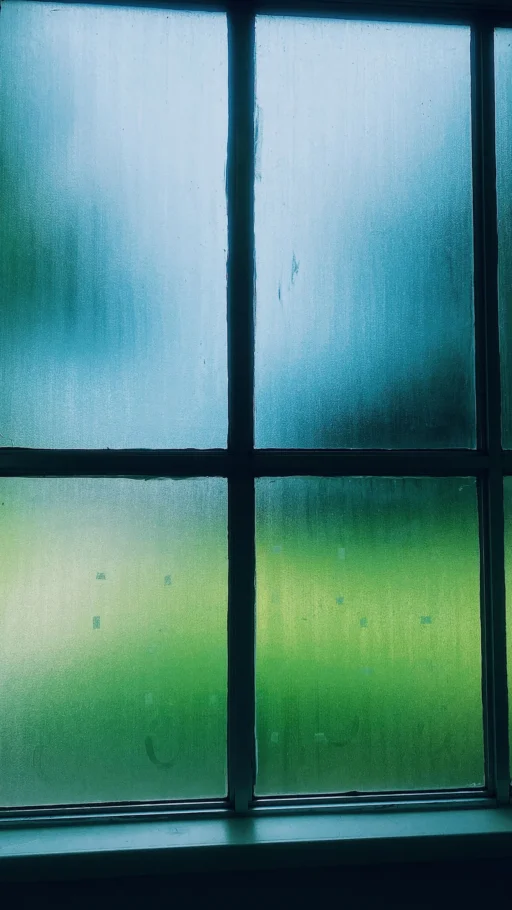
Featured photograph: clouded windowpanes, used as an illustrative window image rather than evidence of a particular fault. Photo supplied by Chloe Marie via Pexels.