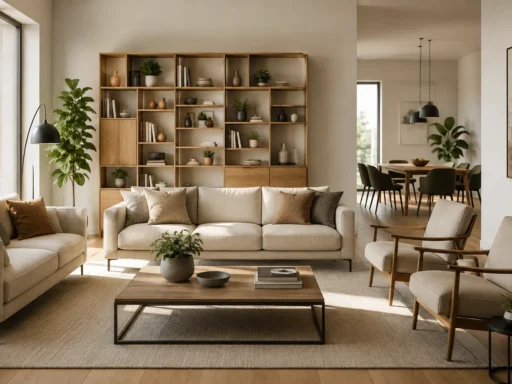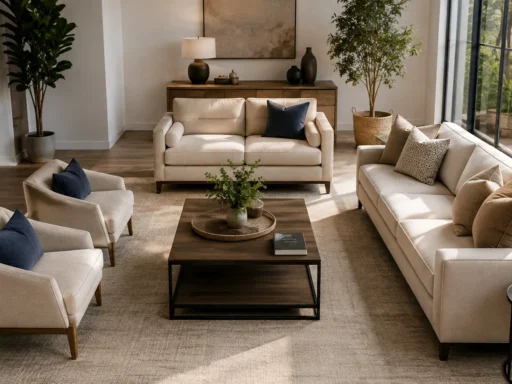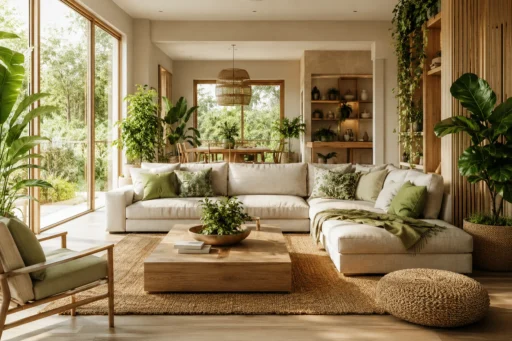
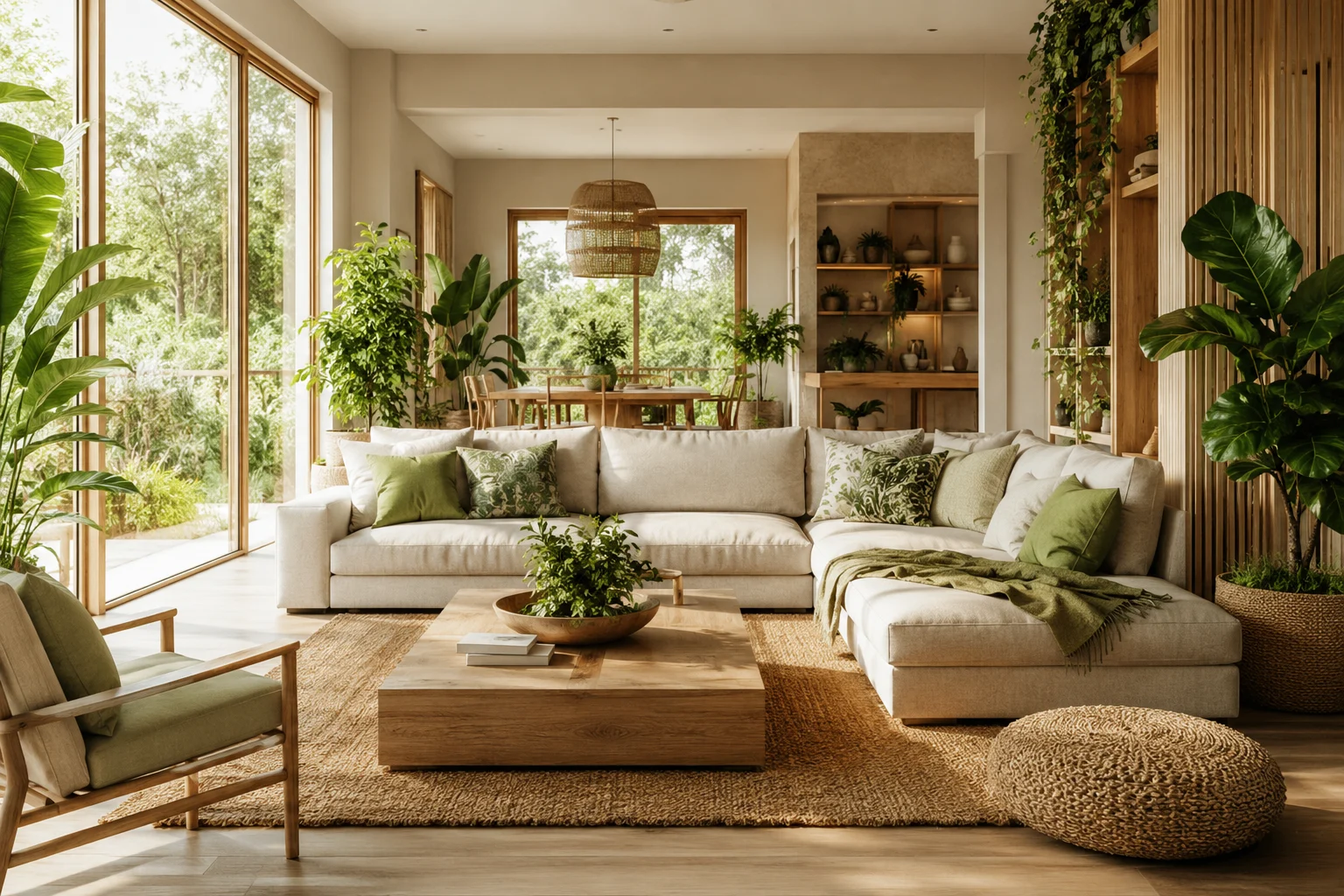
Designing an interior space can feel overwhelming at first, but the real trick to arranging furniture indoors comes down to combining smart floor planning with the physical needs of your plants. To make a room feel more open and set up a thriving indoor garden at the same time, organize your seating around the natural light zones in your home, then use large plants as anchors to define each functional space. Your houseplants deserve to be treated as structural elements, not just decoration.
At Solera Gardens, we believe real success comes from letting people and plants share a space in harmony. Once you understand how to balance human activity with the microclimates already present in your home, transforming a room becomes as simple as rearranging what you already own. Here’s an in-depth look at how professionals approach biophilic furniture placement.
How Do You Arrange Furniture in a Living Room to Maximize Natural Light?
Getting the most out of your natural light means keeping your main seating slightly back from the direct path of a window, while positioning light hungry plants right in that same sunny path. This requires understanding how light actually behaves in your room. Rather than pushing a sofa against the window, where it blocks light and casts long shadows, float your furniture toward the center of the room instead.
This approach pays off in two ways. First, it keeps a spot open on or near the windowsill for plants that genuinely need bright light. Second, it protects your furniture’s upholstery from fading in direct UV exposure.
Planning furniture placement this way essentially means designing around the light gradient created by your windows. Here’s how each exposure typically plays out:
- South facing windows get the strongest, sunniest light. Place sun loving plants like the fiddle leaf fig (Ficus lyrata) or bird of paradise (Strelitzia nicolai) right on the windowsill, and keep delicate fabrics and main seating at least 4 to 5 feet back to protect both the plants and your furniture.
- West facing windows heat up considerably in the afternoon. Skip sensitive foliage here and stick with succulents, cacti, or sturdier plants alongside your comfortable reading chairs.
- East facing windows offer gentle direct light in the morning hours. This is a good spot for a breakfast table, a study desk, and more tender plants like calathea (Goeppertia insignis) or ferns.
- North facing windows stay soft and indirect all day. Skip high light plants here and use this spot instead for a TV console or study table, since there’s little risk of screen glare.
Solera Gardens Tip: The Mirror Reflection Technique
Hang a large mirror on the wall opposite your main light source. This bounces light into farther corners of the room, making the space feel bigger while also giving your plants more usable light throughout the day.
Biophilic Zoning: Using Living Plants as Natural Room Dividers
Open rooms offer great flow, but without any structure they can feel sterile and empty. Traditional walls solve this at the cost of making a room feel darker and more closed in. A better option is using furniture and plants to divide the space instead.
Open backed bookshelves are an especially effective way to divide a room while keeping it feeling open. Add some trailing plants to bring the shelf to life.
Choosing the Right Vertical Anchors
When choosing tall plants to act as structural anchors, look for species that grow upright rather than sprawling wide. This keeps them out of walkways and seating areas.
- Fiddle leaf fig (Ficus lyrata): Works well beside an armchair or in a bright, empty corner. It can reach up to 10 feet tall indoors, creating natural overhead coverage. It prefers bright indirect light and well drained soil.
- Snake plant (Dracaena trifasciata): With its tall, upright leaves, this plant fits nicely into tight spots like the gap between bookcases or beside a media console.
- Cast iron plant (Aspidistra elatior): A hardy option with deep green leaves that handles dark corners near wooden furniture especially well.
The Bookshelf Hack for Cascading Greenery
A bookshelf placed perpendicular to a wall makes an excellent zone divider. Keep books and heavier décor on the lower and middle shelves to ground the piece visually, and reserve the top shelves for plants that can trail down and soften the shelf’s sharp corners.
Golden pothos, also known as devil’s ivy (Epipremnum aureum), is a great fit here. It’s fast growing, highly adaptable, and its heart shaped, variegated leaves look great cascading down from a high shelf.
| Bookshelf Section | Recommended Placement | Purpose & Styling Tip |
| Top Shelf | Trailing pothos or heartleaf philodendron at both ends, spaced 12 to 18 inches (30 to 45 cm) apart, near bright indirect light | Softens the shelf’s edges and creates a natural divider without blocking light |
| Upper Middle Shelf | Books, crystals, and small succulents grouped using the rule of three | Balances décor with low maintenance plants for visual interest without clutter |
| Lower Middle Shelf | Hardcover books on one side, woven storage baskets on the other | Balances decorative and functional storage in one spot |
| Bottom Shelf | Heavy ceramic pots and storage baskets | Keeps the shelf stable with weight near the base while hiding everyday items |
| Bookshelf Placement | 36 to 60 inches (91 to 152 cm) high, with 30 to 36 inches (76 to 91 cm) of clearance on each side | Defines separate zones while preserving light and an open feel |
| Best Room Size | 180 to 350 sq ft (17 to 33 m²) for open plan rooms | Adds storage, display space, and a room divider without feeling cramped |
Quick Furniture Layout Hacks for Small Rooms
Limited square footage means a standard floor plan can feel crowded fast. A few quick adjustments let you enjoy an open layout and a real indoor garden even in a small space.
The main goal is keeping the floor as clear as possible. The more furniture legs and plant pots sitting on the floor, the more cramped a room feels psychologically. Draw the eye upward instead with wall shelves, hanging plants, and elevated furniture.
The Pedestal Plant Stand Solution
Rather than scattering several small plant pots across the floor or coffee table, invest in a single tiered plant stand or a set of pedestals at varying heights. Stacking plants vertically in an empty corner makes the ceiling feel taller, and it also makes cleaning around your furniture much easier.
On a tiered corner stand, place your heaviest plants, like a peace lily (Spathiphyllum wallisii), on the bottom tier, and lighter, airier plants like the spider plant (Chlorophytum comosum) up top.
Multi-Functional Plant Credenzas
In a small apartment or living room, every piece of furniture needs to earn its keep. Swap a bulky traditional entertainment center for a long, low cabinet that doubles as storage. Use the interior for electronics and media, and reserve the flat top surface for a collection of moisture loving houseplants.
Small plants like the nerve plant (Fittonia albivenis) and various Chinese evergreens (Aglaonema) on top of the console help soften the hard, flat lines of a TV screen.
For more small space ideas, see our guide on 10 Indoor Furniture Layout Ideas That Make Every Room Look Bigger.
Common Growing Mistake: Blocking Warm Air Vents
One mistake that shows up again and again is placing sofas, chairs, or plant stands directly over or in front of a heating and ventilation vent. This is uncomfortable enough for people, but it’s even harder on houseplants, since it speeds up moisture loss from the leaves and causes real stress. Keep at least two feet of clearance around every vent.
Recommended Houseplants for Strategic Furniture Zones
Here’s a quick reference to help match plants to your newly organized layout, based on light, scale, and design fit.
| Botanical Name | Common Name | Optimal Light | Mature Height | Design Placement | Toxicity Level |
| Ficus lyrata | Fiddle Leaf Fig | Bright, indirect | 6 to 10 feet | Next to large sofas or bright empty corners | Toxic to pets |
| Dracaena trifasciata | Snake Plant | Low to bright, indirect | 2 to 4 feet | Tight spaces, next to media consoles | Toxic to pets |
| Epipremnum aureum | Golden Pothos | Low to medium | 6 to 10 feet (vines) | High bookshelves, mantels, hanging pots | Toxic to pets |
| Chamaedorea elegans | Parlor Palm | Medium, indirect | 3 to 4 feet | On the floor next to reading armchairs | Non toxic |
| Spathiphyllum wallisii | Peace Lily | Low to medium | 1 to 3 feet | Low side tables, bedroom corners | Toxic to pets |
| Asplenium nidus | Bird’s Nest Fern | Medium, indirect | 1 to 2 feet | Bathroom vanities, kitchen countertops | Non toxic |
| Chlorophytum comosum | Spider Plant | Medium to bright | 1 to 2 feet | Hanging baskets, high pedestal stands | Non toxic |
Avoiding Common Indoor Gardening and Styling Pitfalls
It’s easy to get absorbed in the aesthetic side of interior design and lose sight of plant health, but a struggling plant will quietly undercut even the best laid out room.
Microclimate Fluctuations and Drafts
Most standard décor advice overlooks the small microclimates present in every home, from drafty spots to dry zones and humid pockets.
- Drafty zones: Areas near frequently used exterior doors or older, leaky windows see sharp temperature swings. Keep tropical plants like the weeping fig (Ficus benjamina) away from these spots, since they tend to drop leaves in response.
- Dry zones: The area around fireplaces, radiators, and heating vents has very low humidity. Keep thin leaved plants like ferns and calatheas well clear of these zones.
- Humid pockets: Kitchens and bathrooms stay consistently humid thanks to regular water and steam use. Bromeliads, orchids, and ferns tend to thrive in these conditions.
Balancing Container Scale with Furniture Dimensions
A large plant in a small pot looks just as off balance as a tiny plant lost beside an oversized sectional sofa.
If your sofa is large and substantial, pair it with a bold, broad leafed plant in a heavy ceramic or concrete planter. If your side table is delicate, mid-century, and thin legged, go with a smaller, more minimalist pot and an airier plant instead.
Solera Gardens Tip: Use Saucers and Coasters
Protect wooden surfaces with a quality cork coaster or a glazed ceramic saucer under every pot. Unglazed terracotta lets water seep through, which can leave lasting marks on a cherished dining table or credenza.
Frequently Asked Questions
How do I arrange furniture in a living room to maximize natural light?
Keep bulky items like couches and bookshelves away from windows, and position your seating more toward the center of the room. This lets light travel farther into the space and reach your plants more effectively.
Where is the best place to put a large houseplant in a living room layout?
An empty, well lit corner, or a spot near a larger piece of furniture like an armchair or sofa table, both work well. This placement softens hard architectural lines and puts otherwise awkward corners to good use.
Can I use tall plants as room dividers in an open concept layout?
Yes, tall plants pair beautifully with open backed bookshelves, tiered planters, or long, low credenzas to divide a room. The snake plant and various tall palms work particularly well as living, light-friendly dividers.
How far should indoor plants be kept from heating vents or drafty windows?
Keep plants at least two to three feet from heaters, air conditioning units, and any exterior doors that let in drafts. Sudden shifts in temperature and dry air can dehydrate and stress tropical plants quickly.
What are the best low light plants for dark corners of a furniture arrangement?
The cast iron plant, ZZ plant, and snake plant all handle dim corners well. These hardy plants can survive with limited light, though they’ll still benefit from the occasional dose of indirect sun.
How do I choose the right pot size and stand for my furniture scale?
Match the pot size and stand height to the visual weight of your existing furniture. Large, heavy pieces call for bold pots and bigger plants, while lighter, more delicate tables pair better with smaller, simpler planters.
How often should I rotate my houseplants to keep them growing evenly near furniture?
Turn your plants about a quarter turn every two to four weeks. Plants naturally lean toward their light source, so regular rotation keeps their growth even on all sides.
Embracing a Harmonious Home Layout
Transforming your home doesn’t require an expensive redesign or any structural changes. A few thoughtful furniture layout adjustments can completely change how a room feels, while also creating a healthier environment for your plants.
Experiment with furniture placement and pay attention to how the light shifts with the seasons. Don’t hesitate to reposition plants and furniture as the sun’s angle changes throughout the year. Building a harmonious space for you and your plants takes a bit of time and attention, but the result is well worth it.
Before moving heavy pieces, work through our step-by-step furniture layout guide to plan the arrangement.