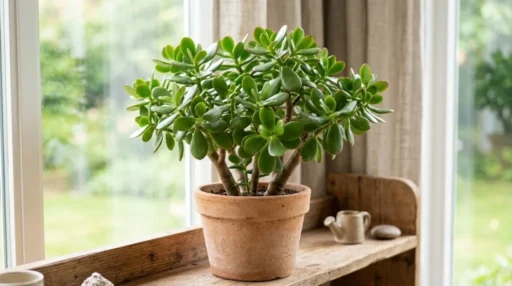
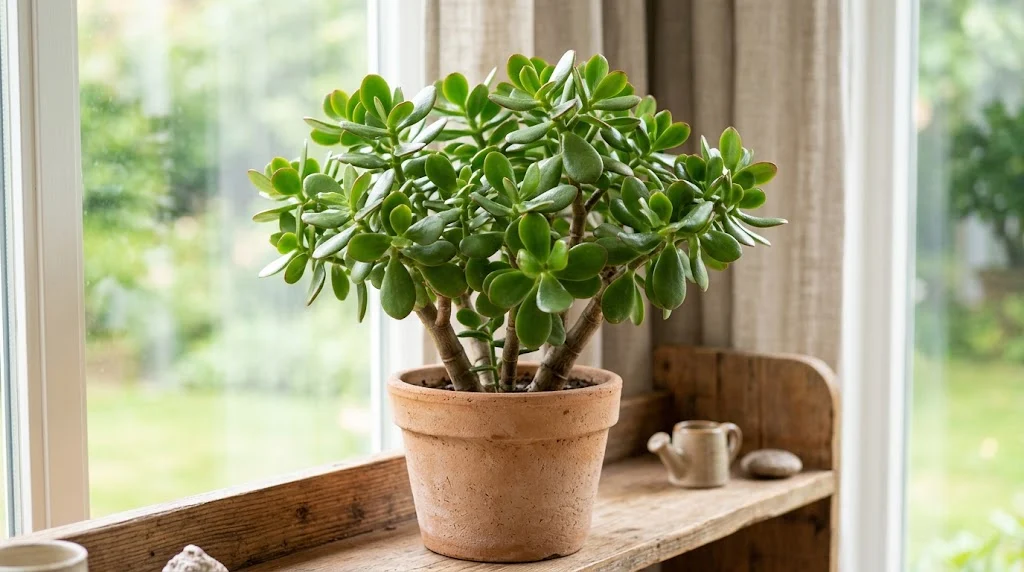
If you want a jade plant that thrives with minimal fuss, it really comes down to one core habit: give it plenty of light, plant it in fast-draining succulent mix, and let the soil dry completely between waterings. Get that one habit right, and you’ll avoid nearly every common jade plant problem out there. These plants are remarkably resilient, long-lived, and close to impossible to kill once you understand their desert-adapted nature, which is exactly why they’ve been windowsill staples for generations.
This guide explains how to choose a pot and soil, judge when a jade plant needs water, encourage compact growth, propagate healthy cuttings, and diagnose common leaf and root problems. The recommendations are starting points; light, temperature, pot material, plant size, and indoor humidity all affect how quickly the potting mix dries.
How Do You Care for a Jade Plant?
A common misconception is that jade plant care is about generous watering and attention. In reality, it’s more about understanding where these plants come from. Jade plants are succulents native to the arid regions of South Africa and Mozambique, where they evolved to store moisture in their thick leaves and stems rather than rely on regular rainfall. Your main job as an owner is knowing when to hold back: bright light, moderate water, and fast-draining soil. Get those three elements right, and you can expect decades of healthy growth.
Solera Gardens Tip: If you only remember one rule, make it this one. After watering, wait, then push a finger or a chopstick about 2 inches into the soil before watering again. If it comes out caked in soil, it’s too soon for another watering. Far more jade plants die from overwatering than from underwatering.
Plant Overview
Crassula ovata, sometimes labeled under the older synonym Crassula argentea, belongs to the Crassulaceae family, which also includes echeveria and kalanchoe. In the wild, under ideal conditions, it can grow into an impressive shrub 6 to 9 feet tall, though container-grown specimens typically stay in the 1 to 3 foot range. Mature plants develop a thick, woody trunk and are often nicknamed the money plant or friendship tree, thanks to a long-standing belief that they bring good luck, which makes them a popular housewarming gift.
Older plants with well-established root systems can produce clusters of delicate white or pale pink, star-shaped flowers in late winter, usually triggered by cooler nights and a dry spell. Younger jade plants rarely bloom, since flowering tends to happen once a plant has experienced enough seasonal stress to trigger it, but it’s worth the wait.
Pet safety: The ASPCA lists jade plants as toxic to dogs and cats. Reported signs include vomiting, depression or lethargy, and loss of coordination. Keep the plant out of reach and contact a veterinarian or animal poison-control service if a pet eats it.
Growing Requirements
Jade plants can live outdoors year-round in zones 10 and 11. In zone 9, they can stay outside for part of the year but should move to a bright, sunny window indoors before the first frost. Anywhere colder, they’re best grown as a houseplant, with a summer stint outdoors in full sun to partial shade if you’d like.
Light: Full sun keeps a jade plant compact and healthy. Indoors, a south or west facing window works best. Outdoors, morning sun with afternoon shade helps prevent leaf scorch, though in milder climates full sun all day is often fine.
Soil: Use a fast-draining cactus or succulent mix. If making your own, blend in coarse sand or perlite until it makes up about two-thirds of the total mix.
Temperature: Jade plants prefer daytime temperatures between 65 and 75°F. They can handle brief dips into the 50s, but temperatures below 40°F cause damage, and a hard freeze will kill the plant.
Humidity: Standard indoor humidity is perfectly fine. These succulents don’t need misting and actually prefer drier air.
Solera Gardens Tip: Many jade plants start out in a dimmer spot for aesthetic reasons, then begin stretching within weeks, with wider leaf spacing and elongated stems, a process called etiolation, as the plant reaches for more light. A leggy jade almost always needs more direct sun and less water.
Planting Instructions
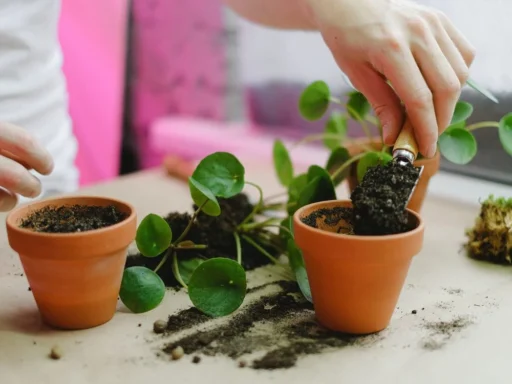
Choose a container with a drainage hole. This isn’t optional for a succulent. Terra-cotta works especially well since it wicks away excess moisture. Pick a pot only slightly larger than the current root ball. Jade plants actually prefer being a bit snug, and an oversized pot tends to hold too much damp soil and invite rot.
Add succulent mix to the bottom third of the pot, then position the plant with the top of the root ball about an inch below the rim, backfilling around the roots without burying the trunk. Water once to help the soil settle, then hold off on watering again for a week or two.
In a warm garden setting, jade can be planted along a raised mound or slope for better drainage. It pairs well with other plants suited to hot, dry conditions, like sedums, ornamental grasses, and agave, making it a solid fit for a xeriscape design.
Watering Guide
This is where most jade plant problems start, so it deserves its own section. Spring and summer are the plant’s active growing months, when light levels are highest for photosynthesis. Water deeply until it runs from the drainage holes, then let the soil dry out completely before watering again, typically every 2 to 3 weeks depending on light and indoor humidity. In fall and winter, when growth slows dramatically, cut back watering even further.
| Season | Watering Frequency | What to Watch For |
| Spring/Summer (active growth) | Every 2 to 3 weeks, once soil is fully dry | Plump, firm leaves |
| Fall | Gradually reduce as growth slows | Subtle changes in leaf firmness |
| Winter (dormant) | Every 4 to 6 weeks, or less | Shriveled leaves mean underwatering; mushy, translucent leaves mean overwatering |
Common growing mistake: Watering on a fixed weekly schedule, as if it were a typical tropical houseplant. Jade plants don’t follow a calendar. Always check soil moisture with a finger before watering, and keep in mind that a small pot near a heater will dry out much faster than a larger one in a cooler spot.
Fertilizer Guide
Jade plants are light feeders and don’t need much fertilizer to thrive. A single light feeding in spring or early summer, using a diluted liquid fertilizer formulated for succulents and cacti, or a standard 5-10-5 mixed at half strength, is usually enough. Skip fertilizing in fall and winter, since it can encourage new growth the plant isn’t ready to support, leading to a gangly appearance.
Do not disturb the roots every year simply to replace the potting mix. Repot when the mix has broken down, drainage has become poor, roots are tightly crowded, or the plant has become unstable in its container. Many established jade plants can remain in the same pot for two or three years. Check roots for rot when symptoms or drainage problems give you a reason to unpot the plant.
Pruning Guide
Pruning a jade plant serves two purposes: removing dead or spindly stems, and encouraging the branching that gives mature plants their attractive, tree-like shape. Make cuts just above a leaf node using clean, sharp scissors or pruning snips.
Early spring, as the plant enters active growth, is the best time for structural pruning, since it recovers from cuts quickly at this point in the year. Don’t worry about wasting the trimmings. Jade propagates easily from both leaf and stem cuttings, so a pruning session doubles as a planting opportunity. Let cuttings callus over for a few days before placing them in dry succulent mix.
Troubleshooting Common Problems
Even experienced growers run into the occasional jade plant issue. Here’s how to diagnose the most common ones.
- Wrinkled or shriveled leaves: Usually a sign of underwatering. A thorough soak should plump the leaves back up within a day or two.
- Soft, mushy, or translucent leaves: A clear sign of overwatering and possible root rot. Stop watering immediately, check the roots, and repot in fresh, dry soil if they appear blackened or mushy.
- Leaves dropping with no other symptoms: Often caused by a sudden environmental change, like a drafty spot near a door or a big temperature swing.
- Red or orange leaf tinting: Usually just a normal stress response to intense sunlight and not a cause for concern, though it can sometimes signal the plant needs a drink.
- Pests: Spider mites and mealybugs occasionally show up. Wipe mealybugs off with rubbing alcohol on a cotton swab, and rinse the plant to discourage spider mites, which tend to favor dry, dusty conditions.
Diagnostic tip: Check the potting mix, drainage hole, roots, light level, temperature, and recent care changes before choosing a treatment. Several problems can produce yellowing or leaf drop, so avoid treating for insects or adding fertilizer until you have found supporting signs.
Seasonal Maintenance
Care needs shift noticeably with the seasons. In spring, return to a regular watering schedule, apply a single round of fertilizer, and take care of any structural pruning. Through summer, watch light exposure closely, especially for plants moved outdoors in warmer inland climates, where intense afternoon sun can scorch leaves that are used to indoor conditions.
As temperatures drop in fall, cut back on watering and stop fertilizing. If your jade has spent the year outside, bring it in once nighttime temperatures start dipping below 50°F. Winter is essentially a long rest period: skip fertilizer, water sparingly, keep the plant in your brightest available window, and avoid repotting, root pruning, or major pruning until active growth resumes in spring.
Container Gardening Advice
Jade plants adapt easily to container life, good news if you’re growing one outside its ideal climate. Choose an unglazed terra-cotta pot rather than plastic or glazed ceramic. The porous walls let excess moisture evaporate, which helps prevent the waterlogged conditions that lead to root rot. Repotting is rarely necessary. Most jade plants are content in the same pot for two to three years, and many growers intentionally keep them a bit snug to maintain that classic tree-like shape.
If you’re combining a jade plant with other drought-tolerant species in a mixed container, group plants with similar watering needs together. Pairing a thirsty tropical plant with a jade in the same pot rarely works out well for either one.
Companion Planting, Pollinators, and Wildlife Value
Since jade plants are mostly grown indoors, their landscape potential often gets overlooked. In warm climates where it can live outdoors year-round, its winter blooms offer a welcome bit of nectar for any bees still active during a season when food sources are otherwise scarce. Pairing jade with other winter-flowering plants, whether day or night bloomers, helps build a more well-rounded pollinator garden.
If attracting moths and other nocturnal pollinators is part of your plan, jade’s dense, shrubby form makes a great low-water backdrop for night-blooming flowers nearby. Many Solera Gardens readers building a habitat-style garden pair reliable, drought-tolerant plants like jade with more showy flowering shrubs, such as Rose of Sharon, which blooms generously through most of the summer.
When jade grows outdoors in a frost-free climate, keep it with plants that share its preference for fast drainage and restrained irrigation. Avoid pairing it in the same container with moisture-loving plants, because one watering schedule will rarely suit both root systems.
Expert Recommendations: Choosing the Right Jade Variety
Not every jade plant is the classic green, oval-leafed type most people picture. The right variety depends on your space and what you’re hoping to grow.
| Variety | Best For | Notable Feature |
| Crassula ovata (standard jade) | Beginners | Easiest to find, most forgiving of care mistakes |
| Crassula ovata ‘Hobbit’ | Small spaces and containers | Curled, tubular leaves with a compact growth habit |
| Crassula ovata ‘Sunset’ (Golden Jade) | Color interest | Yellow and red variegation intensifies in bright sun |
| Crassula ovata ‘Gollum’ | Novelty and bonsai styling | Trumpet-shaped leaf tips with a quirky, sculptural look |
| Variegated jade | Shadier spots | Cream and green leaves; slightly less direct sun needed |
The standard species is the best starting point for anyone new to succulents, since it tolerates the occasional missed watering or a less-than-ideal windowsill. Once you’ve got the basics down, more unusual varieties like ‘Hobbit’ or ‘Gollum’ make a fun addition to the collection without adding much extra difficulty.
Frequently Asked Questions
How often should you water a jade plant? Water thoroughly only once the soil is completely dry, typically every 2 to 3 weeks in spring and summer, and less often in fall and winter.
Why is my jade plant dropping leaves? Both underwatering and overwatering are common culprits, so review your watering routine first. Cold drafts or insufficient light can also play a role.
Can jade plants live outside? Yes, in zones 10 and 11 they can stay outdoors year-round. In zone 9, they can also live outside with some winter protection, but should come inside well before the first frost.
How do you make a jade plant bushy instead of leggy? Move a leggy plant to brighter light, and cut back long stems to a healthy leaf node. This encourages the branching needed for a fuller, rounder shape over time.
Is jade plant toxic to pets? Yes, the ASPCA lists jade plants as toxic to both cats and dogs, with symptoms that can include vomiting, lethargy, and occasional loss of coordination. Keep curious pets away from the plant.
Do jade plants need direct sunlight? They benefit from several hours of bright light daily and can tolerate direct sun once mature, as long as the transition to more intense light happens gradually to avoid leaf burn.
How long do jade plants live? With good care, jade plants often live for decades. Many are passed down through families and remain healthy for twenty, thirty, or even more years.
Conclusion
Caring for a jade plant is really an exercise in restraint. Plenty of sun, gritty soil, and water only once the plant has fully dried out are all it takes for this classic succulent to thrive, whether on a bright windowsill or out in a xeric garden bed. Pay attention to what the leaves are telling you, and don’t hesitate to propagate a healthy cutting when the chance comes up.
If the plant begins to decline, change one care factor at a time and watch the response. A brighter position, improved drainage, or a longer interval between waterings is easier to evaluate when several treatments are not applied at once.
Since growing conditions vary by pot size, soil, temperature, humidity, and available light, treat the guidance above as a starting point and adjust only after checking the plant and potting mix. For another indoor plant with different moisture needs, see our Monstera deliciosa care guide. Comparing the two helps explain why one fixed houseplant watering schedule rarely works.
Before choosing a spot for a houseplant, use our indoor plant light guide to assess the available light.