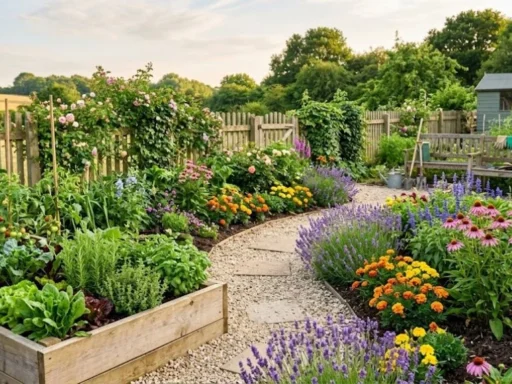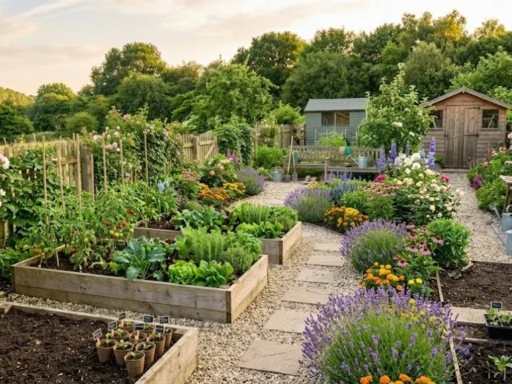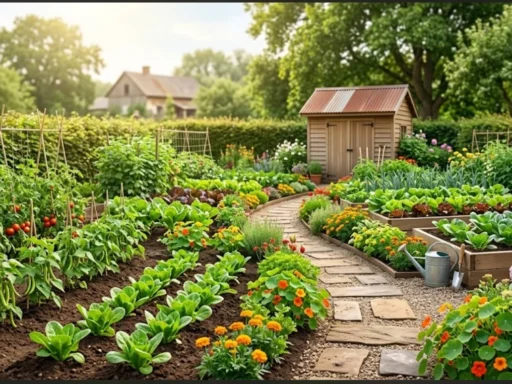
Most beginner vegetable gardens fail in the planning stage, not the growing stage. The seeds were fine. The soil was decent. The watering was more or less right. The problem was that no one had informed the gardener that the tomatoes he planted in early April in Zone 6 would be attacked by a late frost or that the zucchini that he had pushed alongside the peppers would outgrow the whole bed by July.
Planning seems like the tedious thing to do. It’s really the one that makes all the difference. This guide will show you the steps in planning a vegetable garden season by season for an understanding of what to plant, when to plant, and how to plan the garden without being pushed out of the garden by mid-summer.
How to plan a vegetable garden for beginners: (1) Find your last frost date and first frost date for your zip code. (2) Divide your crops into cool-season and warm-season groups. (3) Sketch a simple layout on paper before you plant anything. (4) Place tall plants on the north side so they do not shade shorter ones. (5) Follow spacing guidelines from your seed packet. (6) Plan two planting waves: spring cool-season crops followed by warm-season crops after last frost. (7) Repeat the cool-season wave in late summer for a fall harvest.
Your Frost Dates Are the Foundation of Everything
Before you can write any crop names on paper, find two dates on the Internet: the last frost date and the first fall frost date. These two numbers are for the entire growing year. All other garden plans fit within them.
The warm-season plants, such as tomatoes, cucumbers, peppers, zucchini, and beans, will not tolerate frost. They are planted in the ground after the last frost of spring and cease production after the first frost of fall. Some cool-season vegetables, such as lettuce, kale, peas, radishes, and broccoli, may tolerate light frost, or even thrive in either cooler early spring or fall.
To find your dates: enter your ZIP code at the Old Farmer’s Almanac frost date calculator or at the USDA Plant Hardiness Zone Map. Free, 30 seconds, and more useful than any other single piece of gardening information for a beginner.
Example: In Columbus, Ohio (Zone 6a), the expected last frost date is April 20, and the first frost date is October 15. This allows you to enjoy a warm season growing period of about 178 days, plenty of time to grow most crops completely.
What Vegetables Grow in Each Season?
The most useful thing a beginning gardener can learn before starting a garden is the knowledge of the two growing seasons. Almost all vegetables fall into two groups.
Cool-season vegetables
They grow best at temperatures ranging from 40 to 70 degrees F. They are fairly frost-tolerant, and most of them improve in flavor after a bit of frost. Sow in early spring before the last frost, and in late summer for fall harvest.
- Summer: lettuce, spinach, kale, arugula, radishes, peas, carrots, broccoli, cabbage, Swiss chard and beets
- They must be bolted (flower and become bitter) in summer – timing is important. Most US zones will likely be finished with lettuce planted in May by late June.
Warm-season vegetables
These need soil temperatures above 60 degrees Fahrenheit and cannot tolerate any frost. Plant: after last frost date; harvest: before first fall frost.
- Fruits: Tomatoes, peppers, cucumbers, zucchini, squash, beans, corn, basil, and eggplant; Summer
- They are your growers for high summer. They require the entire warm season to produce, so late planting will cut down your harvest time.
The beginner move that most guides skip: plant both waves in the same season. Plant cool season crops early in the spring, harvest until May and June, and plant warm season crops late spring and early summer. Your bed is not empty half the year; it’s producing all the time!
How Do You Lay Out a Beginner Vegetable Garden?
Sketch out before landing on it! This seems like a no-brainer, and most first-time gardeners don’t do it. Preparing a drawing of your layout saves you 20 minutes and avoids the 3 issues that trip up most novice gardeners – too cramped, tall plants casting shade on short plants, and running out of garden space before half the plants you wanted have been planted.
The north rule
The tallest plants should always be on the north side of the bed. Tomatoes, pole beans, and cucumbers can grow up to 4–6 feet. Place them on the north side, and they will shade the rest of the bed. Put them anywhere else, and they shade everything shorter than they are from late morning onward.
Spacing is not optional
Seed packets list spacing requirements for a reason. Crowded plants compete for water, nutrients, and air circulation. Poor airflow between plants is one of the primary reasons fungal diseases spread quickly in beginner gardens. A bed that looks sparse in April will be full by July if you follow the spacing on the packet.
Quick reference spacing for common beginner crops:
· Tomatoes: 18 to 24 inches apart
· Zucchini and squash: 24 to 36 inches apart (they spread aggressively)
· Cucumbers: 12 inches apart with a trellis, 18 inches without
· Bush beans: 4 to 6 inches apart in rows 18 inches apart
· Lettuce: 6 to 8 inches apart
· Radishes: 2 inches apart
· Kale: 12 to 18 inches apart
Real perspective: “I planted four zucchini in my first 4×8 bed because I figured more plants meant more food. By August, the zucchini had taken over everything. Two plants in a 4×8 bed is already pushing it. One is genuinely enough for most families.”
How Do I Plan a Vegetable Garden for the Very First Time?
Start with your bed size, your frost dates, and a short list of crops you actually want to eat. Do not start with a plant encyclopedia or a companion planting chart. Both are useful eventually. Neither is the right starting point for a first plan.
Here is the exact sequence that works:
· Step 1: Write down your last frost date and first frost date.
· Step 2: Choose 4 to 6 crops maximum for your first season. Pick what you eat regularly.
· Step 3: Sort them into cool-season and warm-season groups.
· Step 4: Sketch your bed on paper. Mark where tall plants will go (north side). Write plant names in each section with the spacing from the seed packet.
· Step 5: Find frost dates, draw layout, purchase seeds from online catalogs, and collect materials and soil. Nothing goes in the ground yet, but every hour you spend planning now is 3 hours not in April. Everything else can direct-sow outdoors at the right time.
· Step 6: Plant your cool-season crops in early spring. Follow with warm-season crops after your last frost date. Plant cool-season crops again in late summer for fall.
That six-step process produces a working season-by-season plan for any beginner in any US zone. The only variable is the specific dates, which you fill in from your frost date lookup.
A Season-by-Season Timeline for US Beginners
Late winter (January to February)
This is planning season. Look up your frost dates, sketch your layout, order seeds online, and gather your tools and soil. Nothing goes in the ground yet but every hour you spend planning now saves three hours of confusion in April.
Early spring (6 to 8 weeks before last frost)
Sow seeds of tomato and peppers under a sunny window or a grow light. Direct seeding of cool-season crops should be done when soil temperatures are suitable for planting (above 40 °F), and the soil is workable. At this point, lettuce, spinach, peas, radishes, and kale are all added to the mix.
Late spring (after last frost)
Plant out tomato and pepper seedlings when the threat of frost has passed and night temperatures remain above 50 degrees. Direct-sow beans, cucumbers, and zucchini. For most of the U.S., this is the primary planting period of the gardening season.
Summer (June through August)
Pick cool-season vegetables before they begin to make flowers. Water warm-season crops regularly, particularly during periods of hot weather. Clear out all completed cool-season crops and replant any remaining beds with a second planting of lettuce, kale, spinach, and radishes in the fall, in late July or early August. As the temperatures fall, these will ripen and will generally be better flavored than the spring version.
Fall (September through first frost)
Your fall cool-season crops come in. Warm-season crops continue producing until the first frost finishes them. Pull spent plants, add compost to the bed, and let the soil rest through winter. Your bed is ready for the next spring cycle.
Real perspective: “I did not know about fall gardening until my second year. When I figured out I could plant lettuce and kale again in August and harvest through October, it felt like finding a cheat code. The fall garden is easier than spring because most pests die back and the temperatures are gentler.”
Two Beginner Planning Mistakes That Ruin the Season
Planting too much variety
Six different crops done well beats sixteen crops done poorly. Every new crop type you add requires learning its specific needs, timing, spacing, and problems. In year one, limit variety and go deeper rather than wider. Learn tomatoes really well. Learn lettuce really well. Add new crops in year two once you understand what your conditions are actually like.
Not planning for what comes after
Most beginner gardeners plan the spring planting and nothing beyond it. Then the lettuce bolts in June, the bed sits empty, and they wonder why they spent money on a raised bed that is only productive for eight weeks. Build succession planting into your plan from day one. Every time a cool-season crop finishes, something replaces it. Your bed should never sit empty during the growing season.
Frequently Asked Questions
How big should a beginner vegetable garden be?
A 4×4 or 4×8-foot raised bed is the standard beginner recommendation. It is large enough to grow a meaningful variety of food but small enough to manage without being overwhelmed. Most first-time gardeners who start bigger than this end up with weeds and abandoned sections by midsummer. Start here and expand next year if you want to.
Do I need to rotate crops every year?
Yes, and it is simple at this scale. Avoid planting the same family of vegetables in the same spot two years in a row. Tomatoes, peppers, and eggplant are the same family. Cucumbers, zucchini, and squash are the same family. Rotation reduces the buildup of soil pathogens specific to those crop families. In a small bed, even moving a crop from one end to the other counts.
Can I garden year-round as a beginner?
In zones 9 and 10 (Southern California, South Texas, South Florida), year-round food gardening is genuinely achievable. In zones 7 and 8 you can extend into winter with cold-hardy greens like kale and spinach and basic frost protection. In zones 5 and 6 you are working with roughly April through October. In zones 3 and 4 the warm season is shorter but still productive with the right crop choices.
Should I start with seeds or plants?
Buy transplants for tomatoes, peppers, and eggplant in your first year. Start everything else from seed directly in the ground. Transplants for those three crops save you 6 to 8 weeks of indoor seed-starting work that adds complexity a beginner does not need. For every other common vegetable, direct sowing from seed is easier, cheaper, and often produces stronger plants.
The Ultimate Yield
The only thing you need to know when planning a vegetable garden is the frost dates, dividing the vegetables into the proper seasons, sketching a layout before planting, and planting two waves within each planting season. That system is valid for all of the zones in the USA and requires some planning time of about an hour to properly implement.
Determine frost dates, select 4-6 crops, create the design, and plant in waves. The process can be learned in one season of following it rather than from any guide.
New to the basics? Solera Gardens comprehensive ‘gardening for beginners’ guides you through soil preparation, watering, and plant selection in stages before you get to the planning stage.
Plan access and planting space with our beginner garden planning guide.
For vegetable beds, our watering guide explains how to check moisture before adding more water.