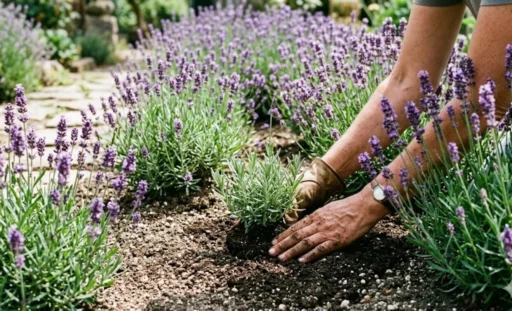
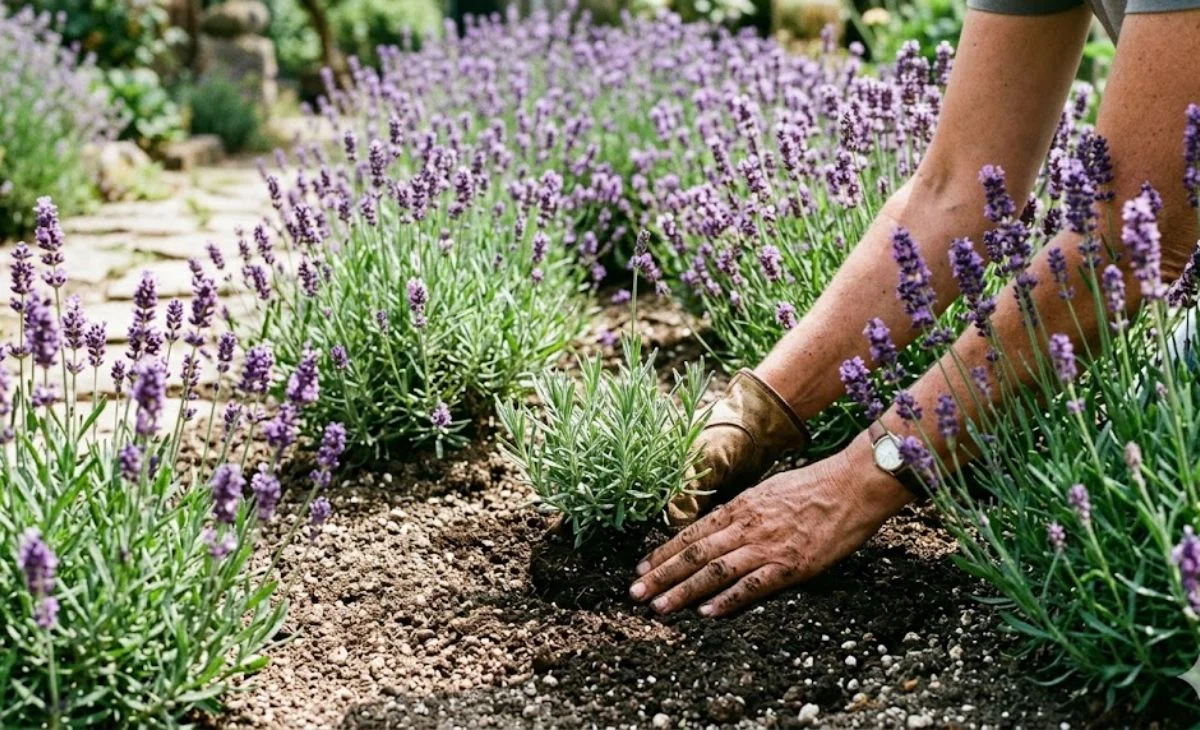
The picture of lavender blossoms with purple-pink petals is really breathtaking. Tall stalks bearing lavender flowers, whose smell spreads out across the entire garden under the heat of the sun and buzzing of bees, flying amidst these flowers, revitalizes us in the garden. Any person wishing to grow such pretty flowers, whether in the garden or as potted plants at home, should take into consideration one point regarding the cultivation of lavender flowers. These kinds of flowers are much easier to grow than most people think, as they do not need fertile soils, much watering, and/or any sort of maintenance, but just a suitable environment for them to bloom in ten to fifteen years’ time.
Lavender (Lavandula spp) is one of the flowers that belongs to the mint family Lamiaceae.
Is Lavender Easy to Grow for Beginners?
It really is quite easy to learn how to grow lavender because this type of plant is generally very forgiving of the novice gardener’s mistakes. The vast majority of lavender species are very hardy, drought-resistant when fully established, and do not need much in terms of fertilization or fussing. Indeed, killing lavender usually comes down to giving this plant more than it needs – water, fertile soil, or shade being the common culprits.
But of course, there are certain key things that must be taken into consideration before the first seedling ever goes into the ground.
Choosing the Right Lavender Variety
However, it must be mentioned that not all lavenders are alike, which makes it necessary for the grower to be extremely careful when choosing the type of lavender to be planted in the garden. There are currently 47 lavenders, but only some of them qualify as lavenders that one can plant in their gardens.
English Lavender (Lavandula angustifolia)
One of the most popular lavenders is the English Lavender. The English Lavender is unique among other lavenders for several reasons, including the fact that this lavender is very hardy and survives in whatever weather (hardiness zone 5), not to mention the fact that it also has a pleasant aroma. In fact, this is the one lavender among the many that stands out because of its sweet smell. It must also be noted that this lavender is also edible. Interestingly, this lavender blooms twice within a year.
Lavandins (Lavandula x intermedia)
The Lavendin lavender is a hybrid between the English and Portuguese lavenders. They are tall shrubs growing up to three feet high and wide, flowering only once in a year in summer. They are extremely aromatic and are widely cultivated for oil extraction as well as the production of dried flowers. Some species of lavender include the Grosso and Provence, which are characterized by stiff stems and a powerful aroma.
Spanish Lavender (Lavandula stoechas)
Spanish lavender is an example of a lavender group whose flowers are shaped like pine cones and rabbit ears, forming the bracts. Spanish lavender is an early-flowering lavender, which makes it more prone to frosting than the English lavender. It is advisable for Spanish lavender to be planted in zones 7-9. It can make your garden more beautiful, especially during warm winters.
Lavender Planting and Care: Getting the Conditions Right
Your lavender must meet three requirements. If you manage to meet all the requirements, your lavender will grow well in your garden. The requirements are good sunlight, good drainage, and poor soil.
Sunlight
They need around six to eight hours of sunlight on a daily basis. There are no substitutes for this. Your lavender plants won’t blossom if planted in partially-shaded locations. In addition, they will develop very thin and long stems. Furthermore, they would become more susceptible to different diseases and root rot. It’s important to determine the ideal location in your garden that receives maximum sunlight.
Soil
Regarding the type of soil, lavender prefers dry and slightly acidic soil with pH between 6.7 and 7.3. You must not grow them in moisture-retaining soils, especially after the rains. In case the soil in your garden is too heavy, it needs to be mixed with some amount of sand or gravel. Raised beds are needed in case your soil is naturally heavy. Poor soils are far better than fertile soils. This is because lavender plants would produce just foliage if grown in fertile soils.
When to Plant Lavender
Spring is considered the most suitable season for planting lavender, especially from late April to May when the soil warms up and there is no more danger of frost. Planting lavender during spring allows your seedlings to grow all year round. However, if planting in early fall, choose your planting sites carefully, as they should be larger and have developed root systems due to the impending cold winter weather.
How to Plant Lavender Step by Step
But once again, the way you will plant your lavender plants is just as crucial as their growth. Listed below are some tips on how to plant your lavender plants properly.
- The first thing that you should do is ensure that you have dug a hole that is larger and deeper than your plant’s root ball.
- In case your soil does not drain effectively, then adding coarse grit or sand may be helpful.
- Then, plant the lavender in the hole, ensuring that the root ball is planted parallel to the ground.
- Afterwards, fill in the hole with soil and press down the soil surrounding the root ball while watering it.
- Always leave enough room between each plant in order to facilitate proper growth.
- Do not use any mulch near the base of the plant since it will hold moisture
When you have purchased the lavender plants from nurseries as opposed to sowing the seeds, ensure that the roots are handled with care when transplanting for their well-being. Sowing the seeds is feasible but takes much longer than any other method and sometimes is not always successful. The time taken by the seeds to grow is between 14 to 30 days, although it may take even longer, up to three months in some instances, with indoor wintering of seedlings necessary in cold regions.
If you are new to building a planting space, the guide on How to Start a Garden From Scratch? walks through everything you need to know about preparing beds, amending soil, and laying the groundwork for a healthy garden from the very beginning.
Watering Lavender: Less Is Almost Always More
Watering lavender too often is what causes more harm to these plants than any other issue. This type of flora needs a dry climate throughout the summer time with no rainfall for long periods of time and loose soil with stones. These are the main things you need to duplicate in order to provide optimal growing conditions.
During the first year after planting lavenders, it is necessary to water them once in a week in order to encourage deep rooting. Further, watering should be done once in two weeks or longer. You should always check the soil condition before watering. Stick your finger two or three inches into it and see whether there is any moisture left. Watering lavenders while they are still wet results in root and crown rotting.
Potted lavender dries out faster than in-ground plants and will need slightly more frequent attention, but the rule remains the same: water deeply and infrequently, always allowing the soil to dry between sessions. Water at the base of the plant rather than overhead to keep the foliage dry, and aim to water in the morning so any moisture that does reach the leaves can evaporate during the day.
Fertilizing Lavender
One may consider making an exception to this rule regarding lavender since lavender is known to grow in soil of poor fertility. The additional nitrogen provided by fertilizers will make the plant grow foliage instead of flowers and make it more susceptible to both diseases and frost. Without doubt, in the majority of cases, no fertilization will be required for lavender growing in slightly fertile garden soil.
If the soil quality is extremely low and the plants are deficient in nutrients, then adding some compost on top of the plants in spring will do the trick of stimulating their development. Any nitrogen fertilizer produced commercially must never be used in your garden. If you want your indoor lavender to bloom, add one portion of fertilizer.
At Solera Gardens, we have seen firsthand how the best-performing lavender beds are almost always the ones left alone from a feeding standpoint. Resist the urge to push these plants with extra nutrients and let their natural Mediterranean preferences lead the way.
How and When to Prune Lavender
Proper pruning is the most essential thing you can do for lavender plants, but unfortunately, this is also the most overlooked aspect of maintenance, or rather, poorly performed. Failure to perform pruning will result in increasing woodiness of the lower parts of the plant, splitting and dying off of the top part, and complete death of the inner part in 4-6 years’ time.
Pruning helps keep plants small and increase their lifespan, and provides them with fresh growth. Here is how to prune properly:
- Prune once a year after blooming, in late summer, by cutting out spent flowers and trimming plants by a third of their current height;
- Follow up this action with light pruning at the beginning of spring when buds start growing from the base of the plant;
- Avoid pruning into old wood at the base of the plant as lavender plants, similar to other herbaceous plants, do not form new shoots from bare wood, and will die off from such pruning.
- Keep your plant small and round during pruning.
If you enjoy growing unusual and striking foliage plants alongside your lavender, the care guide at How to Grow and Care for Monstera Deliciosa is a great read for bringing more texture and drama to your indoor or sheltered garden spaces.
Growing Lavender in Pots and Containers
Due to the preference of containers by the plant, lavender becomes the obvious choice for gardeners residing on patios and balconies without the availability of land to grow their plants directly on the ground.
Select containers with sufficient drainage holes at the bottom. Terracotta containers turn out to be the best type of containers due to their ability to evaporate excess water due to their porous nature. Use soil mixtures that have a good draining capacity with 25% grit or perlite. Soil mixture with the tendency to retain water should not be used.
The best position for the pots is one that gets maximum sunlight from the sun. Southern or western positions provide adequate sunlight while ensuring the absence of obstructions like trees or structures. The plants should be re-potted once or twice every year into larger containers.
Lavender Companion Planting and Garden Uses
However, apart from the beauty aspects, there are other things that need to be considered when choosing to grow lavender plants within your garden. As reported in information sources, the lavender plant has a smell that is unpleasant to many animals, such as rabbits and deer, in addition to several insects like aphids and moths. In essence, growing lavender near rose plants, vegetables, and fruit trees serves as protection against destruction brought about by the above-named creatures, which are foliage feeders. Another reason to grow lavender plants is their ability to attract pollinators such as bees, butterflies, and hummingbirds.
Alternatively, in the case of flowering gardens, lavender plants can be used as hedges.
Harvesting and Using Lavender
The other delightful experience when it comes to planting lavender is harvesting the lavender itself. Harvest the flower stems when the buds are a bit colored but not open yet. This time is the time when the oil in the lavender is at its peak of potency and its fragrance at its finest. It can either be used immediately in bouquets or dried and used to create sachets, soap, tea, and even in baking.
If you choose to dry your lavender, tie bunches of the flower stems using a rubber band. Hang them upside down in a cool and well-ventilated area that is away from the sun for about two to three weeks. Indeed, one of the most fulfilling collections to get from the garden is the lavender itself.
| Lavender Quick Care Summary | Details |
| Sunlight | Full sun, 6-8 hours minimum per day |
| Soil type | Dry, well-draining, slightly alkaline (pH 6.7-7.3) |
| Watering | Once weekly for new plants; every 2 weeks once established |
| Fertilizing | Rarely needed; light compost top-dressing in spring only |
| Pruning | After flowering in late summer, light tidy in early spring |
| Spacing | 2 to 3 feet apart in-ground |
| Hardiness zones | Zones 5-9 (English lavender); Zones 7-9 (Spanish lavender) |
| Container size | Minimum 12-inch diameter pot with drainage holes |
| Mature size | 1 to 3 feet tall, 2 to 4 feet wide, depending on variety |
Frequently Asked Questions
Does lavender come back every year?
But there is another variety of lavender that withstands the extreme winter conditions and comes back every year in the spring season, and is called hardy lavender, English lavender being an example. The life expectancy of lavender may range between 10 to 15 years. As lavender plants do not survive in such extreme weather conditions, they live annually.
How long does lavender take to grow to full size?
Lavender is moderately fast-growing and takes roughly three years to become mature. The growth process for this plant starts out very slowly during the first year when roots are developing, and the flowering period usually occurs during the second and third years. Plants from seeds will take a little longer to produce flowers than those transplanted from nurseries.
How often should lavender be watered?
Lavender plants planted recently will require watering on a weekly basis until the plant matures. After the plant matures, it requires watering in a sporadic manner, such as on a two-week basis. The plants require watering whenever the soil at the top two inches becomes dry.
Why is my lavender not blooming?
Lavender rarely blooms because of inadequate sunlight, too much nitrogen, or improper pruning. The plant requires at least 6-8 hours of direct sunlight daily, along with drainage-friendly soil and proper pruning practices for maximum flowering.
Can lavender be grown indoors?
Although lavender can be cultivated in indoor conditions, it must have extremely bright sunlight or at least a south-facing windowsill with abundant sunlight. One should cultivate lavender in a pot when it is small and only water it sparingly. Cultivation of lavender mostly takes place outdoors and is only transferred inside during winter.
Conclusion
Those gardeners who opt to plant lavender will definitely have chosen to do the right thing in their gardening. Indeed, lavender provides not only beauty, fragrance, and pollinators, but also easy maintenance for sunny locations. Once a gardener has learned all about the requirements of this plant – namely, the sunshine, poor soils, and no watering – he or she will automatically know how to cultivate it. The proper selection of the appropriate species, the cultivation of the plant on dry soil, its annual trimming, and sunlight are essential for successful lavender growth and maintenance.