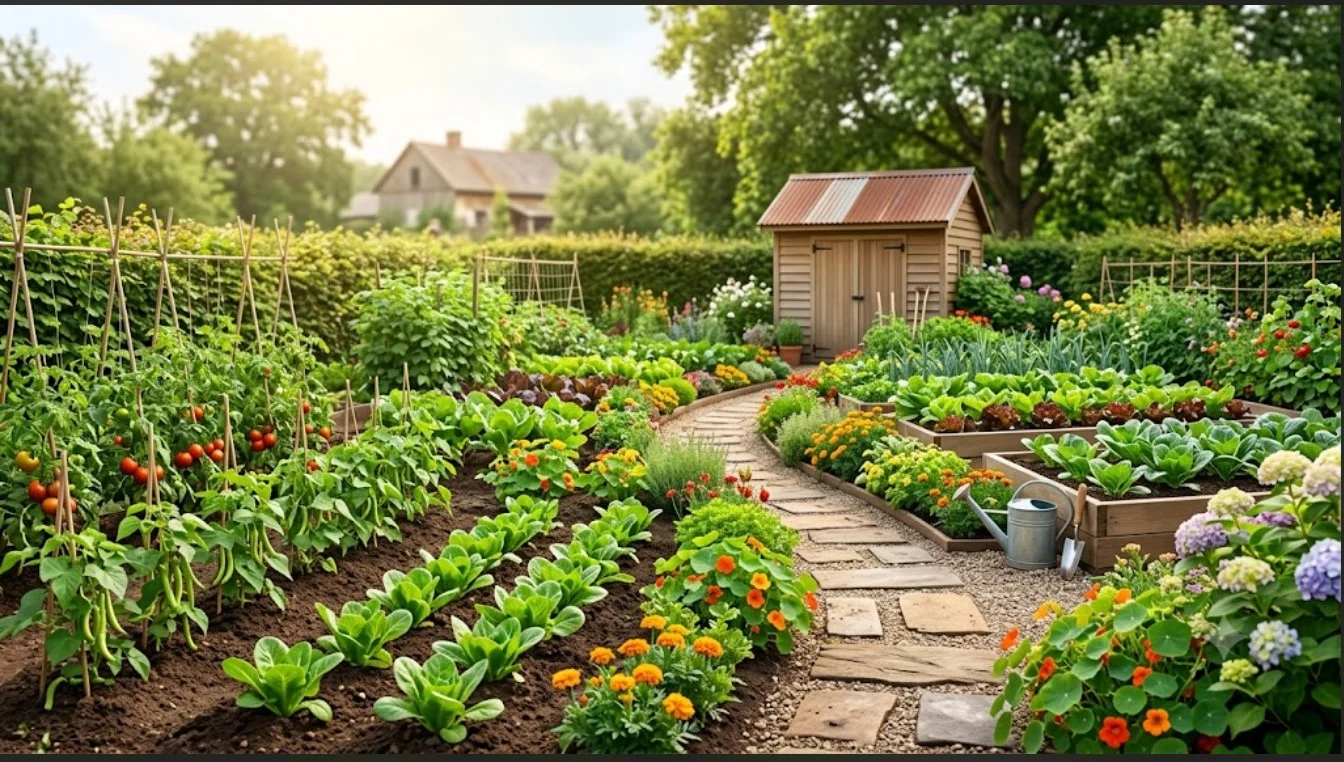
For many people, gardening serves as an enjoyable method for becoming more connected with the earth. Because we live such busy lives now, most people have little contact with nature (a luxury that’s becoming increasingly diminishing). A bonus to planting your own garden is that homegrown vegetables, fruits, & flowers will always taste better than any grocery store products. Gardening gives you an opportunity for some mental downtime while reconnecting with nature as many of us experience today. When you begin to garden, you may feel very enthusiastic, but there may also be some uncertainty about your future success in the garden. Remember, even if you have no gardening experience, anyone can garden and enjoy it! A key factor in establishing a successful garden is to create a well-conceived plan so that your garden is both beautiful & productive!
What is the best way to start a garden layout?
Gardeners who are going to create their first garden must take their time before they dig. Take a close and careful look at how the sun moves around your yard during the day. Look at whether or where the sun is most intense during the day. See where the shade lingers the most in the afternoon. For more beginner-friendly gardening tips and expert guidance, visit Solera Gardens.
What you are doing is no more than observing how the sun grows, but it is also the key to being able to select appropriate plants for your yard, as well as the key to having successful plants in your yard without much effort.
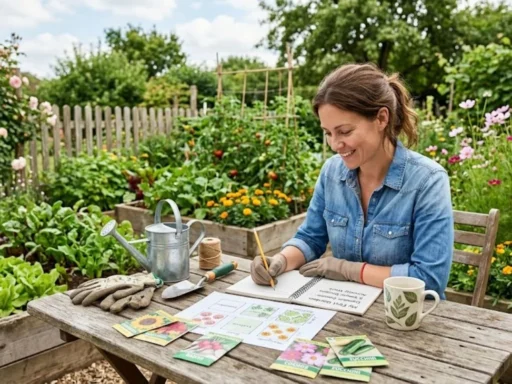
Use a notebook to record your observations about your yard’s sun exposure. Create a rough sketch of your property if a drawing is easier to understand than a written explanation. As you continue to observe your yard, it will become easier for you to find locations in your yard to plant flowers and vegetables.
Finally, when you plan your garden, don’t forget about getting water for your plants. Consider how far your garden will be from your hose or the nearest water source. If your plants are very far from a garden spigot or hose, you will get very tired of hauling water to the plants as the heat of summer increases.
Analyzing Your Planting Site
Evaluate the physical attributes of your designated area before purchasing seeds or soil amendments. A design that works with nature instead of against it will work best in establishing a productive garden. Look for flat areas that receive 6-8 hours of direct sunlight daily.
Another factor that dictates the success of your garden is how your soil drains. Poor drainage will prevent your crops from getting enough moisture due to lingering puddles for multiple hours after heavy rain; therefore if you continually notice stagnant water where these conditions exist, building raised beds to enhance the amount of moisture and oxygen will provide a healthy root system for most vegetables.
Soil quality can vary drastically from one side of a yard to the other, so you should not assume your yard is ready for planting immediately. Most experts recommend you get a local extension office soil testing kit to find out the pH and constituents of your soil. This will enable you to properly amend the soil to provide your plants with the essential nutrients they need for their continued growth during the growing season.
How to Map Out a Garden Successfully
Once you have determined the location of your garden, it is essential to create an accurate visual representation of what the overall layout will look like. You can efficiently map out and design your garden on paper rather than attempt to move boulders or pour soil after the entire garden has been built. This does not require expensive design software; you often will find a simple piece of graph paper to be the most effective method for documenting the area and measurements of your garden area. Before creating your garden layout, it’s helpful to understand the basics by reading our guide on What Do I Need to Start a Garden?
To begin the design of your garden, plot all of the permanent items in your yard such as fences, trees, driveways and the house (or other structures), as they set the boundaries for your garden’s design and create the light patterns that will help you design and/or plant your garden effectively. You will want to use your graph paper to outline where you think your garden might be placed, leaving adequate space for pathways in between any potential garden beds.
It is equally important to create pathways for the purpose of walking around your garden as it is to plant your garden in designated planting areas. Many beginner gardeners design wide planting beds that make it impossible to reach the centre of the bed from each side. You should keep your garden beds 4 ft. wide or less so that you can avoid stepping foot into the soil of your bed and compacting the soil in your bed.
Keep plant height in mind when creating your layout. Taller crops (corn, sunflowers and pole beans grown up streams) should be placed on the north side of the garden to avoid shading out smaller, sun-loving plants (lettuce or peppers) that can be grown on the south side of the garden. As a result, this arrangement will help you get the most use of each square foot that you have available to you.
Small Garden Design for Beginners
If you are limited on space, you shouldn’t be discouraged because you can plant a high density and have success as well. A small garden design for beginner gardeners is aimed at making good use of vertical space and planting plants that do well in containers or closely spaced rows. With the correct planting techniques used in small spaces, you can grow a lot of food on a small patio or a narrow strip of land.
Vertical gardening is a big benefit when you are working with a smaller area because it allows your plants to grow up, not out. Growing vining plants such as cucumbers, squash, and peas would be best when using a trellis, arbor or wall pocket style as this keeps the foliage off the ground, providing better airflow and reducing the tendency of some disease issues common with plants.
You will want to take into consideration how you want your garden to look because a beautiful garden will draw you to it every day. By adding some perennial herbs such as rosemary and/or lavender with your annual vegetables, you can add color, texture, and fragrance to your small growing area. At Solera Gardens, we believe that even the smallest garden will have a beauty and peace about it that you can enjoy as much as the fresh vegetables will provide.
Comparison of Common Bed Types
| Bed Type | Pros | Cons |
| In-Ground | Low cost, easy to expand | Harder to control soil quality |
| Raised Bed | Excellent drainage, less weeding | Higher upfront material cost |
| Container | Highly portable, great for decks | Needs frequent watering |
| Vertical | Saves space, increases air circulation | Requires support structures |
Creative Garden Bed Arrangement Ideas
The way you arrange your garden beds affects how much work you do and how many plants you can grow. There are many different ways to arrange your garden beds so that your backyard can become a bountiful haven. One popular method is the intensive row system; whereby, planting all your plants together creates a “living mulch” that will shade out most weeds and create a cooler environment for the soil to support plant growth.
Another option would be to use a circular or “keyhole” type of garden bed. This type of garden bed is very functional and has a unique aesthetic as well. A keyhole garden is essentially a compost basket at the centre of the garden bed that allows nutrients contained in the compost to leach into the soil below; therefore, providing easy access to the compost basket from any side (the centre) of the garden. The method is excellent for maximising the harvest of plants in a compact space.
Beds have a rectangular shape that allows for versatile and classic grid layout designs. This provides a neat, tidy, and easily manageable method of developing solid crop rotation practices that will keep your soil healthy for many years. Cropping can aid in pest management by breaking up the recycle cycle of soil-borne pests that exist in the soil (e.g. aphids) and only attack particular plants.
When developing a layout for your garden, you should consider how you are going to care for your garden properly. You need to create adequate space between the beds and the pathways to allow a wheelbarrow to access the beds easily so that you can easily add compost and move mulch without back strain. The design of your garden must allow for easy access throughout the growing season as you will be harvesting at a very busy time.
Incorporating Essential Plants and Crops
When you start planting instead of continuing to plan, look for crops that your family and you like to eat. It can be tempting to grow lots of every kind of crop; however, a productive garden is one you can manage and get produce from, so plan your garden with a few constantly producing crops that do very well in your area.
Some classic crops that are good for first-time gardeners are leafy greens, tomatoes, peppers, and beans. All of these plants typically will provide you with a quick return on investment and are forgiving. You want to ensure you start with the best possible seeds and transplants, so buy your seeds and transplants from reputable sources that guarantee their product will have the best genetic potential for your gardens.
Companion planting is another method to build a more robust vegetable garden. Companion planting is when two different types of crops are put next to each other to help keep out harmful insects, and to have pollinators, such as butterflies, come into the garden to pollinate. Marigolds are great companion plants for tomatoes because they help to keep harmful insects away from the tomatoes and make the tomatoes taste better by growing beside basil.
Another way to enhance your vegetable garden is to create a separate area within your vegetable garden for flowering plants that attract beneficial insects. Bees, butterflies, and ladybugs are important partners in helping you achieve your garden. Providing a small amount of native flowering plants in your vegetable garden will create a community of plants that will contribute to the growth of your vegetables.
Managing Your Garden Throughout the Season
When establishing a new planted garden via planting and designing, you’ve also made the initial up-front investment before creating the planted garden. Plant maintenance and observation come next, and one of the first and most important things you can do to support healthy plants is to water them consistently. Watering your plants less frequently but more deeply will help your plants grow healthy roots further into the soil compared to watering them frequently but only a small amount of water at each watering.
One of the other major components involved in maintaining a healthy garden is applying mulch that saves moisture and suppresses weed growth. When you mulch your garden using an organic material such as straw, shredded leaves, or shredded wood chips, you will help create a consistent soil temperature around the plants, as well as help prevent the evaporation of moisture from the soil surrounding your plants by preventing water from being absorbed through the mulch and soil. Mulching will also provide a source of organic matter when the mulch decays and will contribute organic matter back into the soil.
Use a gardening journal to document your yearly gardening experience and make note of what you learned about the different varieties of plants you grew. You can see how to grow each of the crops again and how long they took to mature.
When you experience a problem, such as an insect or disease infestation, try to pinpoint what the cause of the problem might be, rather than jumping into trying to resolve the issue. Most issues can be addressed with simple hand tools, such as pruning excessive foliage to improve air circulation or removing the large insects causing the infestation.Observation and patience will both be important attributes that every successful gardener develops over time.
Frequently Asked Questions
How much sunlight do most vegetables need to grow?
The most common vegetable gardens (i.e., tomatoes, peppers and beans) need six to eight hours of direct sunlight each day to yield a successful crop; leafy greens require four to six hours of sunlight to do well in the garden but can tolerate slightly less.
What should I do if my soil quality is poor?
To improve poor-quality soil, you may use compost, experienced animal wastes or leaf mold to add organic matter to the soil. If your soil is unsuitable for growing vegetables, you can build raised beds with a combination of topsoil, compost and vermiculite to create an excellent growing environment for your plants.
When is the best time to start planning my garden?
Planning your vegetable garden Late-Winter to Early Spring is the best time to do so, before winter comes to an end and frost melts from your planting area. You will have plenty of time to research the plants that you would like to grow, create an order for seeds to be mailed in, and establish the layout of the garden before the rush of wanting to plant.
Can I garden in containers if I don’t have a backyard?
Many common vegetables (i.e., lettuce, herbs, dwarf tomatoes, etc.) grow great in containers. Just be sure that your container has sufficient drainage holes in it so that the excess moisture will run out of the container. Use high-quality potting soil; regular garden dirt will not work well in containers.
How do I keep pests away from my garden naturally?
You can manage pests by keeping your plants healthy, using row covers, and planting a variety of flowers to attract beneficial insects that hunt garden pests. Manual removal or using organic sprays like neem oil are also effective strategies for managing infestations.
Conclusion
You’ve achieved something great with your first garden. You will have multiple opportunities to connect with nature through the different types of plant material used in your garden design, the layout of the property, and the natural cycles and rhythms of our planet. As you evaluate your property, determine how you envision your garden, as well as which plants will work best for your chosen location, you will create an eco-friendly and productive garden habitat. It is important to remember that gardening is an ongoing process and that you will learn something new each time you garden through multiple seasons. There are a number of different ways in which you can develop or redesign your garden after each season. Use curiosity, ask questions, and most of all, enjoy the process of creating a beautiful, green landscape.
For vegetable beds, our watering guide explains how to check moisture before adding more water.