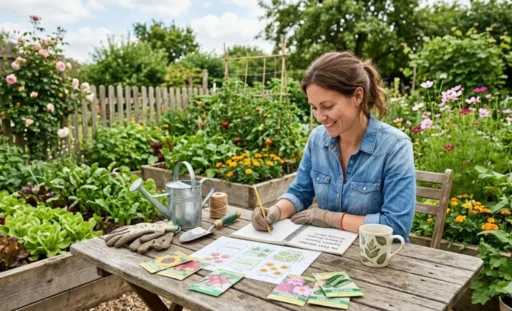
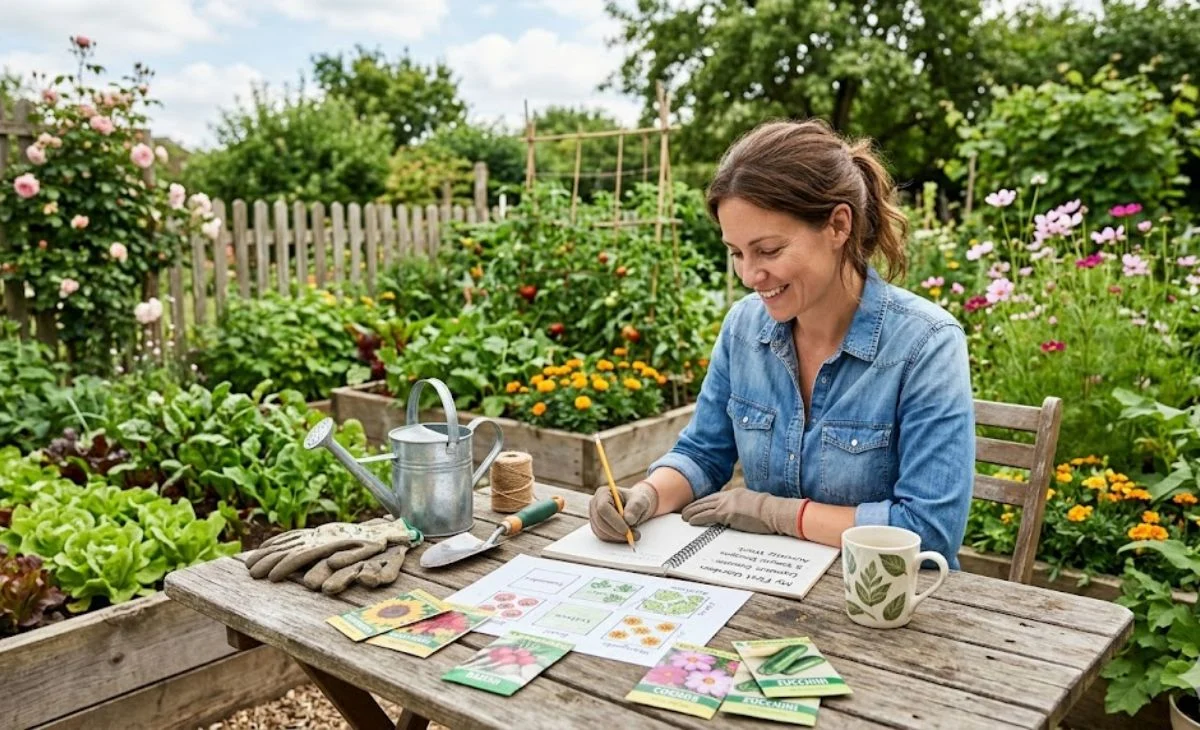
Walking out into your backyard to gather fresh herbs or vegetables for dinner is a special experience; it feels like there’s magic in the air. You may be one of many who want to have a green oasis of your own, but are unsure about how or where to start because of all the options available. Mastering the basics of gardening for beginners is about more than just buying seeds and soil. It is about understanding how to structure your space so that it works for you rather than against you. Here at Solera Gardens, through careful planning of your growing area, we have seen that it becomes the foundation of every successful garden season. The layout you choose will drastically reduce the amount of weeding, help you get the most out of your water use, and increase the amount of produce you can yield from any size yard that you have available.
What are the most effective garden layouts for beginners?
New gardeners will automatically think that they will require lots of outdoor space to have success in their garden, which is a myth that can quickly lead to feelings of failure due to being overworked and having an enormous, manageable workload. In fact, starting off small and creating a layout/design that allows for easy access to your plants is the key to gardening. No matter if your yard is a little concrete balcony or a large backyard, the layout will be unique to you.
1. The Classic Row Garden
This is perhaps the most classic technique, and one that suits well when you have enough room and want to cultivate plenty of vegetables. Simply group your plants in long and straight lines separated by walking paths.
Such classic designs are particularly suited for vegetables that require plenty of sunshine, such as corn, beans, and potatoes. With such a plant arrangement, it is very convenient to weed using both mechanical and simple hand tools. All you need to do is make sure that your lines of plants run from north to south.
2. The Raised Bed System
One popular technique for gardening that is favored by beginners and veteran growers alike is creating raised beds. These require building a wood or metal structure and filling it with good
soil. This provides you with complete control of the soil, and can be very useful if your native soil consists of rocks or sand.
The raised bed garden plans also offer greater drainage and soil aeration. This happens because there is no soil compression due to stepping into them. If you are wondering about the initial setup, learn how to start a Garden From Scratch. It can help you determine the best location to build your first bed. These structures also warm up faster in the spring, giving you a head start on the growing season.
3. The Square Foot Garden
Conversely, if you have the aim of producing a lot of crops using the limited space that you have, then square foot gardening is one method that can help you achieve your objective. In this gardening technique, the plot that the crops will be growing in needs to be subdivided into squares such that each square foot will be allocated a specific number of plants according to size.
The best type of crops to plant in such a scenario is that of greens, herbs, and vegetables that grow in the soil. This is because they tend to overshadow the weeds that may grow in your garden, thus denying them access to sunlight. Pathways would be of no use in this scenario since you would only be planting your crops.
4. The Container Corner
Container planting may become your savior in case you live in an apartment or a house with insufficient space for growing plants on the ground. In any case, whether you need tomatoes or peppers, you can plant them in any type of container – pots, buckets, or even fabric grow bags. Container planting is rather flexible because it is always possible to change their positions if necessary to ensure that they receive sufficient amounts of sunshine or if, for example, it becomes too windy or rainy.
Many suggestions regarding the way to arrange gardens in a limited amount of space may include using vertical spaces. However, when speaking about flexibility, no method can compare with container planting. These containers can be clustered together, forming a mini-ecosystem in your balcony or porch. However, the only thing you need to take care of is to provide adequate holes for water to drain from the containers.
5. Vertical Gardening
These vertical gardens are perfect for those people who think that they lack enough room horizontally in their gardens. Cucumbers, peas, and pole beans should be grown using trellises or arbors because their fruits will not come into contact with the ground, and thus the risk of insects or diseases will be minimized.
Vertical gardening is one of the many ways by which one can beautify their gardens while at the same time doubling their planting space. Other benefits include improved air circulation for the plants, thereby reducing their chances of fungal infections such as powdery mildew. One must consider where the vertical structures will be placed in the garden; ideally, they will be planted on the north side so that the rest of the garden remains sunny.
Comparing Garden Layout Styles
| Layout Type | Best For | Main Advantage | Maintenance Level |
| Row Garden | Large spaces | Easy for tractor/tools | Moderate |
| Raised Bed | Poor soil areas | Soil quality control | Low |
| Square Foot | Maximizing yield | Space efficiency | Low to Moderate |
| Container | Balconies/Patios | Portability | Moderate |
| Vertical | Small areas | Increased surface area | Moderate |
How to Choose the Right Layout for Your Needs
It is essential to remember that choosing the most suitable layout will depend exclusively on your personal lifestyle and the limitations of your surroundings. You may want to spend some days watching the sun rise and set in your yard, since the majority of vegetables need six to eight hours of sunshine every day.
Be reasonable while planning your vegetable garden for the first year. One of the frequent mistakes is to create too big a garden, which then turns out to be hard work rather than a pleasant activity in the middle of summer. It would be better to start small, having one or two beds or several pots. Expanding your garden is also quite possible as long as you gain experience.
Remember also that your accessibility plays a crucial role in designing a vegetable garden. Raised beds become a great option if you face any difficulties moving. On the other hand, those who do not have any physical disabilities may find a row garden easier and more comfortable. Anyway, make sure to locate your plants near a source of water; otherwise, you will soon get tired of transporting heavy watering cans.
Essential Elements for Success
In any case of design chosen, it is very important to consider the quality of the soil. Thus, do not neglect its significance when searching for the best organic materials for gardening. The soil should not only be a supporting substance for plant growing but also a source of food for them.
One more issue that should be taken into consideration while planning a garden is the technique of watering. Even an ordinary watering method like drip irrigation will greatly save your time each week and provide sufficient moisture to the plants. Consistent watering will help avoid some diseases like blossom end rot in tomatoes or unpleasant taste in the greens.
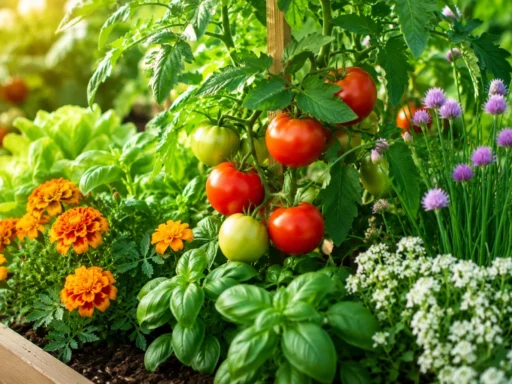
The third point is the process of planting certain species near each other. Such an approach can create a protective effect against pests and contribute to proper growing. In this case, marigolds planted beside tomatoes can act as pest protectors for them, and basil may add a unique taste to tomatoes.
Frequently Asked Questions
How much space do I actually need to start a garden?
It is feasible to have a productive garden even with only four square feet of space at your disposal. Containers and trellis structures are perfect options for creating many different types of food within very limited garden space.
What is the easiest garden layout to maintain for a beginner?
Raised gardens are considered easier to deal with. These types of gardens require less maintenance weeding, allow better drainage, and also provide easy access to soil, as tilling is not required.
How do I keep pests away from my garden?
It would be wise to keep the plants strong and healthy. Proper soil conditions and watering can be quite helpful in this regard. There are additional techniques for plant protection, like companion gardening, row cover, or physical protection from bugs.
How much time should I spend in my garden each week?
The initial garden is going to be quite small. This means that there will be little to take care of. Devoting around 15-30 minutes to gardening once or twice a week should be enough.
When is the best time to start my garden?
This is mostly related to the local weather and the time when the last frost took place. In general, the best dates for sowing seeds are spring and early summer.
Conclusion
Choosing to start the path towards beginner gardening is one of the most fulfilling choices that you will ever make in your life. Gardening helps to bring back the connection with nature, gives you food that is nutritious, and also serves as a great way to escape the busy schedule of your day-to-day routine. Choosing any of these designs will be sure to ensure success and abundance for you in the upcoming growing season.
Plan access and planting space with our beginner garden planning guide.
For vegetable beds, our watering guide explains how to check moisture before adding more water.