You can experience Mother Earth before your first hole is dug!
Gardening can be a great way to grow, but there is so much more than simply putting some seeds in a hole; there is also a lot of digging that must be done!
Vegetable Gardens provide us with many hearty meals to consume. Flower Gardens from around the world add colour to our landscapes. So make sure you are ready to get yourself set up to begin creating your backyard with a plan!
Most new gardeners will purchase everything they think they may need for the garden before they have a chance to plan their gardens correctly. This creates clutter and confusion. To prevent this from happening, focus on each item individually and your needs so that you can create an excellent green space with a solid foundation before placing your very first seed in the ground.
What are the core essentials for gardening for beginners?
If you are contemplating starting gardening, as an initial step you’re getting overwhelmed by the multiple product offerings available in stores. When many individuals consider starting gardening, their thought process leads them to believe that they need a full shed of expensive tools to actually produce vegetables or flowers, however this isn’t true at all. With just three or four quality items, you can grow and then successfully maintain a garden! By concentrating on the quality aspect of your tools while developing a sustainable method of gardening, this will ultimately have an enjoyable experience rather than creating a job.
Assessing Your Space and Soil Needs
There are some things you should understand prior to purchasing a single plant. The locations of sunlight and soil types in your yard or balcony are unique to each area and therefore differ from others. Keep track of where all the light comes from and where the light shadows lay over a period of time (2-3 days). This will help you determine if your vegetable garden will get enough
sun, as most vegetable crops will need between 6-8 hours of direct day sunlight for optimal growth.
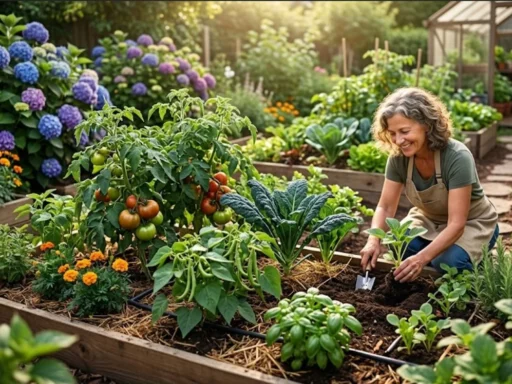
The soil is the foundation of all the work you do, so knowing what you’re working with before you start a garden is directly related to the quality of the dirt you’re using. If you’re building raised beds, you can mix compost, topsoil, and either peat moss or coconut coir together as one or more of your soil components. If you’re going to be using ground to plant vegetables, you may need to incorporate organic material into your existing ground dirt for adequate nutrients and good drainage.
Building Your Essential Gardening Tools List
The difference between a frustrating day and a productive one can be made by having all of your necessary tools at hand. Not all of the tools have to be professional quality; however, should have a good feel in your hands and be able to hold up for many seasons of use.
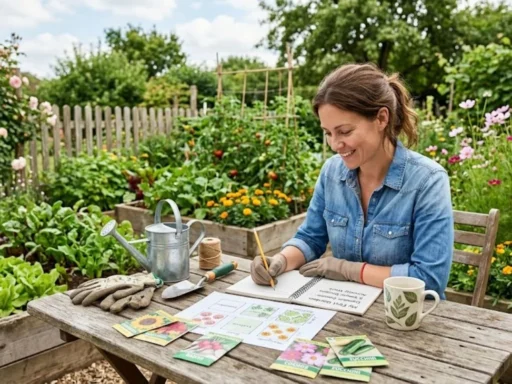
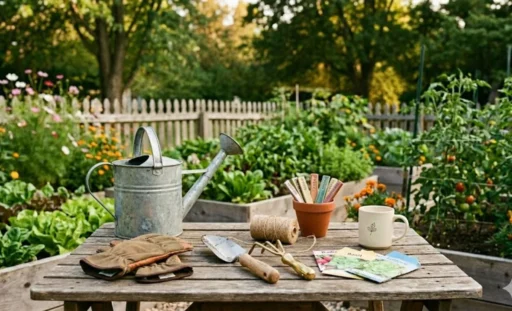
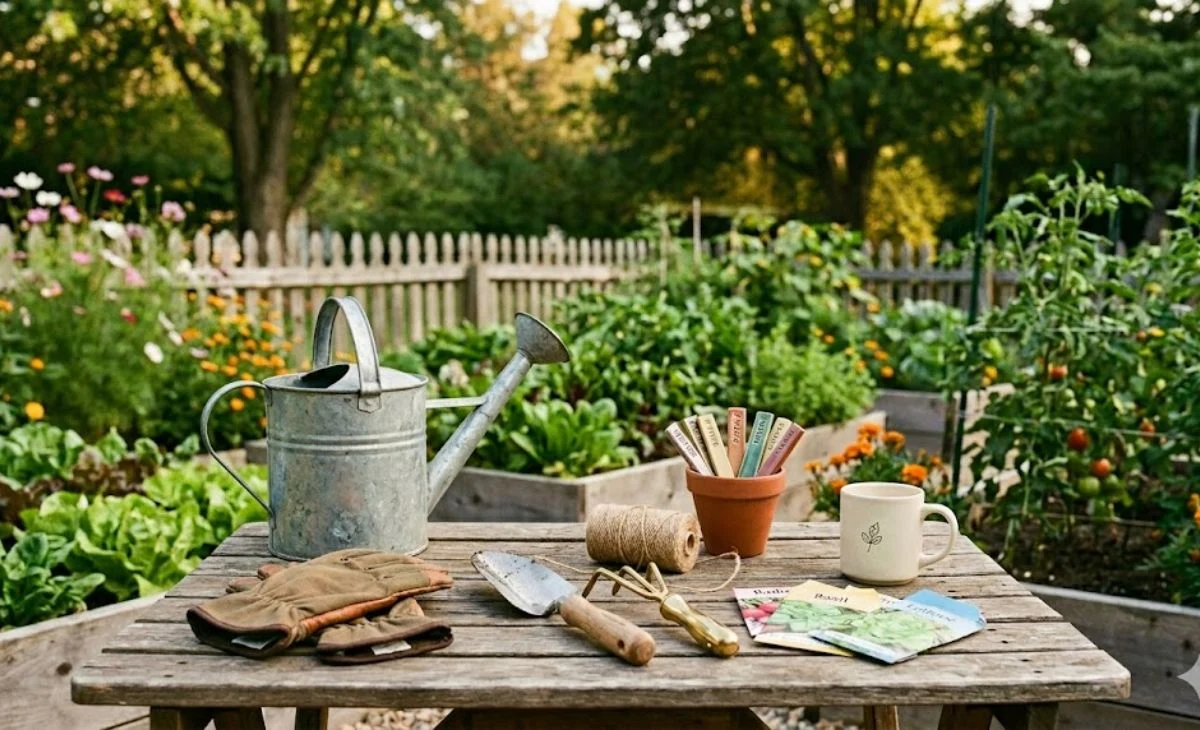
- Hand Trowel: The hand trowel is your main tool for digging small holes, planting seedlings and removing weeds.
- Pruning Shears: Gardening shears are an essential tool because they allow you to trim overgrown plants and harvest them without hurting the plant that you are using for harvest.
- Gardening Gloves: Protect your hands from getting blisters, from the thorns of the plants and dirt that could irritate your skin.
- Watering Can or Hose with Wand: Watering plants consistently is very important, so you need to have a tool that can reach all of your plants easily.
- Garden Rake: A garden rake is a very nice tool to have on hand to help level the soil out and to help remove any debris from your planting area.
You will find that taking care of these items is just as important as using them correctly. Maintaining your tools ensures they remain functional and safe for years of use.
| Tool | Primary Purpose | Maintenance Tip |
| Hand Trowel | Planting & Digging | Clean soil off after every use |
| Pruners | Trimming & Harvesting | Oil the hinge to prevent rust |
| Garden Rake | Smoothing Soil | Keep in a dry, covered area |
| Watering Wand | Hydration | Flush out debris from the nozzle |
Understanding Gardening Supplies for Beginners
The supplies you will use to raise plants are just as important as the physical tools used to do so. Start your garden by purchasing organic fertilizer that can be used continuously to feed your plants, rather than giving them a quick, surging supply of fertilizer that will burn young roots. Another type of supply that some gardeners fail to consider is mulch. When you apply mulch, such as straw, woodchips or shredded leaves, to the ground around your plants, it will inhibit the growth of weeds and help the soil hold in moisture.
As you plan your growing season, keep in mind that even the best gardeners face challenges. Learning to identify pests, watering correctly, and understanding seasonal changes is part of the journey, so take a moment to look at 10 Common Beginner Gardening Mistakes to ensure your first season is successful. Avoiding these pitfalls early on will save you a significant amount of time and disappointment later in the summer.
Selecting Your Plants and Seeds
It can be both thrilling and liberating to have the choice of what to grow. First-time gardeners should focus their energy on fast-maturing leafy greens (such as lettuce, spinach, and kale) that will encourage early planting success. In addition to producing two to three harvests of each type of plant per growing season, these leafy greens also provide the gardener with numerous opportunities throughout the entire season to grow again. Solera Gardens offers helpful resources and expert advice to help new gardeners achieve successful harvests throughout the growing season.
When it comes to growing flowering plants, native plants tend to be easier for the gardening enthusiast to cultivate because they have evolved over many generations in your area and can tolerate less watering and maintenance than non-native plants. Always read the seed packet to find out the proper seeding depth and timing, or check with your local plant nursery to verify this information before planting seeds (if purchasing seeds) or plants from the nursery (if purchasing nursery plant/transplant). In addition, make sure that when you purchase plants from any nursery, they were grown properly, are viable, and have healthy green color and no yellowing of leaves or signs of insect infestations.
The Importance of Water and Light Management
A steady routine is vital for plants; especially in the first few weeks after planting. Too much water is as problematic as too little water and could result in root rot or fungal infection(s). To check moisture levels in your soil when watering, insert your finger into the ground
approximately one inch down from the surface to determine whether or how much water to add based on whether your soil feels dry or not.
Light management is also important. Consider using movable pots if you do not have sufficient natural daylight. Movable pots provide an added advantage of experimenting with the types of plants that do best in your area.
Frequently Asked Questions
How much sun does a vegetable garden need?
Most vegetables, such as tomatoes and peppers, need 6–8 hours of sunlight daily for good yields. Leafy vegetables can grow in partial shade, but they grow faster and reach full size more quickly with more sunlight.
How often should I water my new plants?
Newly planted seeds and seedlings need more frequent watering until they develop strong roots. Check the soil daily and keep it consistently moist, not waterlogged. As plants become established, they require less frequent watering.
Do I need a large space to grow vegetables?
Yes, vegetables can be grown in small spaces such as patios, containers, or raised beds. Use compact vegetable varieties and maximize vertical space with trellises or cages to increase harvests in limited growing areas.
When is the best time to start planting?
The time to plant your crops depends on your location and last frost date. Most crops that grow well in cooler temperatures will be sown in early spring; however, wait for the soil to be warm enough to sow seeds that thrive in warmer conditions.
Should I choose seeds or seedlings?
Seeds are a less expensive option with many choices available but seeds take longer to grow. Transplanting young plants allows you to get growing faster, assisting those who are just starting out in gardening to see results quickly.
Conclusion
A good way to build a relationship with the land you are using for gardening as well as getting to know the food being grown there is by creating a garden. Take time to choose your gardening tools, select the perfect plants for your specific environment, and establish a consistent routine when you create an area for growing. This will give you a solid base for your future gardening efforts as a novice gardener. Keep in mind that you will make mistakes while gardening, just as every seasoned gardener has; this is simply part of the process to becoming a successful gardener. If you have the appropriate tools for gardening and continue to work hard, you will soon be able to harvest a well-tended garden!
Plan access and planting space with our beginner garden planning guide.