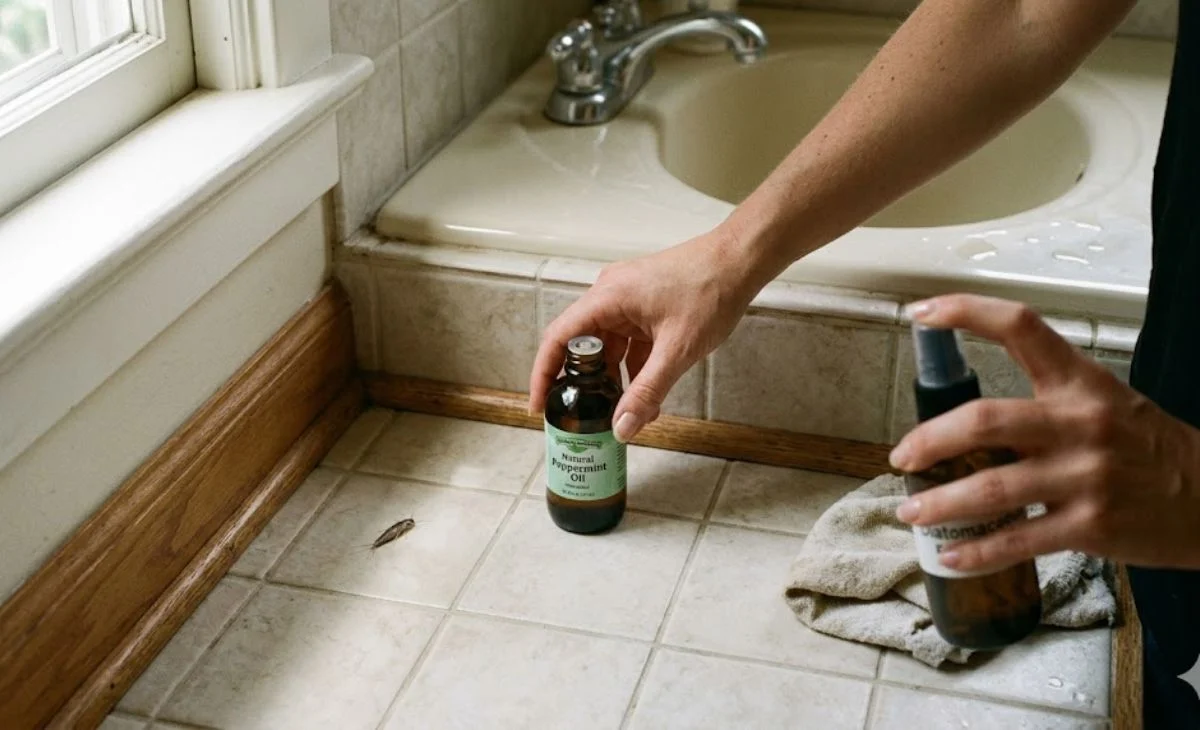
The annoyance often starts when you turn on the bathroom lights late in the evening and notice a small, fast-moving silver insect crawling near the toilet. Silverfish are more common in homes than many people realize. Although they can be unsettling to see, silverfish do not bite or spread diseases to people. These nocturnal insects typically live in dark, damp areas of the home where they can find moisture and starch-rich materials.
What Are Silverfish and Why Are They Called That?
One of many kinds of insects in general is a species of silverfish, named Lepisma saccharina. The size of the insect reaches 3/4 inches maximum. Silverfish have flattened teardrop-shaped body covered with metallic-silvery skin because of special scales covering their skin. One more peculiarity about silverfish is their unusual behavior when moving, as they shake their bodies like fish. Thus, such a name came from this fact.
Apart from other peculiarities, there is something even more interesting about silverfish – they were discovered not that long ago, and their history became rather interesting for scientists. Specifically, according to experts, the age of the species amounts almost to 400 million years. Thus, one can say that silverfish evolved really slowly but successfully adapted themselves to the environment.
Nevertheless, although looking quite frightening with their movements and appearance, silverfish cannot be regarded as harmful both for humans and animals. Firstly, silverfish do not sting, bite or attack people or animals, and do not spread diseases.
What Causes Silverfish in Houses?
The presence of house silverfish is associated with just two aspects, namely moisture and food. In case your house provides all these, it is unlikely that the silverfish will leave the premises. It will be easy for you to eliminate the bugs and prevent recurrence.
High Humidity and Moisture
Silverfish thrive under conditions where the relative humidity is anywhere from 70 percent up to 90 percent. It is easy to create an environment that meets these conditions in places like the bathroom, basement, kitchen, laundry room, and attic. Humidity may be increased as a result of such things as leaking pipes, poor ventilation, moisture near the window pane, and wet towels.
A second place where silverfish thrive is in void walls and crawl spaces; in these cases, humidity levels might not easily be detected. Plumbing problems in the home will increase humidity, creating ideal conditions for silverfish breeding.
What Attracts Silverfish Insects: Their Food Sources
By learning what draws silverfish bugs, one is able to realize how much of their house qualifies as food for them. The silverfish bugs eat carbohydrates and protein present in an amazing variety of items found in homes:
- Old books, magazines, and newspapers
- Paper cartons and boxes
- Wallpapers and wallpaper glue
- Natural fiber clothes including silk, cotton, and rayon
- Stiff or starched clothes
- Food items like flour, oatmeal, coffee grounds, and pasta
- Book binding glues and other adhesives
- Debris left by dead bugs and other things
Because so many of these food sources exist in ordinary storage areas, silverfish often settle into closets, attics, and garages where items sit undisturbed for long periods. If you store things in cardboard boxes, those boxes are both a food source and a shelter.
Clutter and Darkness
The silverfish prefer nocturnal habits. In the daytime, they tend to hide in narrow cracks, crevices, and behind walls. This is why cluttered environments become their heaven since they will find everything that they need for hiding there. Among those items which they like best are stacks of old magazines, piles of clothes, and long-neglected boxes.
Entry Points from Outside
These pests may be found in the house because of cracks in its foundation, openings near windows and doors, or old cardboard boxes or old books that were previously stored somewhere where they lived.
Signs You Have a Silverfish Problem
Detecting a silverfish infestation early will be extremely beneficial to you. Since silverfish are active at night and very quick, they can be hard to detect directly. Here are some other things that will alert you:
- Irregular holes or surface markings on paper, wallpaper, or cloth
- Yellow spots on clothes, paper, or cloth
- Small black pepper-type excrement found in drawers, closets, or shelves
- Scales that appear to be small, reflective flakes around baseboards or dark crevices
- Ripped book bindings or chewed-up pages
- Silverfish bathtubs or sinks due to slippery surfaces.
Should there be a cluster of symptoms occurring simultaneously, chances are that the infestation has set in. A female silverfish can deposit up to three eggs on a daily basis, while each of these insects is known to have a life expectancy of between two and eight years.
How to Get Rid of Silverfish in Your Home
Having established that the problem of infestation exists, one ought to consider ways through which one can stop the causes of thriving in silverfishes. This would mean that one needs to apply several methods.
Reduce Moisture and Humidity
The leading cause of infestations caused by silverfishes is moisture. It is essential to take all possible measures that will help reduce humidity levels
- Using a dehumidifier in areas with high humidity like the basement, bathroom and others.
- Fixing leaking taps, pipes, and even drainage issues.
- Installing exhaust fans in bathrooms and kitchen especially while using these places.
- Attic and crawlspace need to be well-ventilated.
- Cleaning the surfaces which may be wet after taking showers.
Declutter and Clean Thoroughly
Cleaning not only helps remove food sources but also removes shelters. This includes the cleaning process around the base boards, in closets, under any furniture and everywhere dust accumulates. Another suggestion involves cleaning clothes that are dusty due to being kept for a prolonged period of time. In cases when the carpets are infested, they must be cleaned through shampooing.
Use of storage boxes and containers instead will not only act as a means of removing food sources but also a means of removing shelters. Items should be organized and placed in such a manner that they are not left on the floor, which is mostly where silver fish are present.
Seal Cracks and Entry Points
Apply silicone caulk in order to fill any spaces near window frames, door frames, baseboard, and any spaces between walls and foundation. Look out for any pipe or cable openings leading into your home since these tend to go unnoticed but may provide entry for rodents. Steel wool can also be used to stuff these larger openings before filling with caulk.
Use Diatomaceous Earth
Use of food-grade diatomaceous earth would be a very good solution to this problem. Diatomaceous earth is an item that is produced from fossilized algae. The mechanism used by this product to kill silverfish is by breaking down the outer skeleton hence resulting in their drying up and death. It should be applied in areas such as around the edges of walls, cabinets, attics, and closet.
Make sure that you avoid applying it on places that your pets and children can reach.
Apply Boric Acid in Hidden Areas
The other remedy that can be used against silverfish is boric acid. When eaten by silverfish, it affects their digestion system. It can be dusted gently in areas where silverfish like hiding such as cracks, crevices, etc. It is effective especially in attic, basement, and under equipment. Being hazardous to both children and animals, use it only in places inaccessible to them.
Set Traps
Placing sticky traps on the baseboards and in dark corners not only captures the silverfish but will also provide an indication on the spread of the infestation. The other way of capturing them is making your own trap using a glass jar whose exterior is covered with textured tape and place some starchy bait inside. Silverfish can crawl in but cannot come out.
The other method is to wrap a wet newspaper into a tube and leave it overnight at the areas with much activity. The silverfish would go in to rest, after a day or two, cover it and discard it right away.
Natural Silverfish Repellent Options That Actually Work
If you prefer to avoid harsh chemicals, several natural silverfish repellent options can help discourage silverfish from settling in treated areas. While natural repellents work best as part of a broader strategy rather than a standalone fix, they are especially useful for ongoing prevention.
| Natural Repellent | How to Use It | Best Placement |
| Cedar blocks or chips | Place in drawers, closets, and storage containers | Closets, wardrobes, storage boxes |
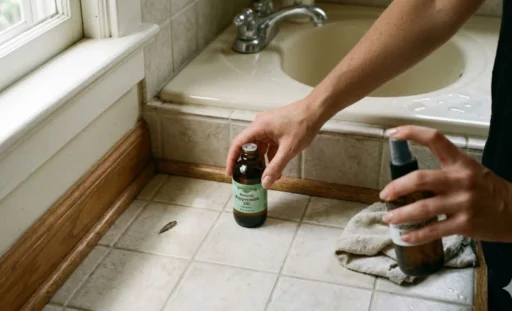
| Peppermint essential oil | Dilute with water in a spray bottle and apply to affected areas | Baseboards, closet corners, shelving |
| Lavender oil | Use on cotton balls or in a diffuser | Bathroom, bedroom, linen closets |
| Diatomaceous earth | Dust lightly along baseboards and crevices | Attics, basements, under sinks |
| Bay leaves | Place loose or in sachets | Pantry shelves, kitchen cabinets |
| Citrus peels | Place fresh peels in high-activity zones | Under sinks, in bathroom corners |
| Cloves | Place in breathable sachets | Storage areas, closet floors |
Cedar is particularly effective because its natural oils interfere with the silverfish’s sensory environment, making the area feel inhospitable. Essential oils like peppermint and lavender disrupt silverfish pheromones, which can prevent egg-laying adults from settling into treated spots.
At Solera Gardens, we always recommend combining natural repellents with moisture control and decluttering for the best long-term results. Natural solutions alone may not resolve an active infestation but are excellent for keeping silverfish away once you have the situation under control.
How to Keep Silverfish from Coming Back
That is all you will have to do first, but you still need to do a lot more if you really wish to resolve your issue effectively.
- You will need to ensure that dry foods are stored in sealed containers and not simply wrapped using papers.
- Clothes need to be stored in plastic containers, particularly those clothes which are made from natural materials.
- See how wet conditions are in places where there is excessive moisture buildup, like attics, basements, and garages.
- Prevent rainwater from pooling up near your home by keeping your gutters properly maintained.
- Dehumidifiers can be used for controlling moisture buildup in some sections of your home.
- Keep the number of magazines and newspapers under control.
- Always remember to check secondhand items before bringing them home.
A home that is kept dry, organized, and free of clutter is simply not a welcoming environment for silverfish. Staying consistent with these habits is the most reliable long-term defense.
When to Call a Professional
In case you have dealt with moisture, gotten rid of clutter, used all available treatments, yet continue to find silverfish in your home, it might be time to employ a pest controller. Pest controllers have the ability to reach areas that are inaccessible to a single homeowner because they can access cavities within the walls, under-floor, roof cavities, and even the insulation.
It is then left to the pest controller to inspect the house, find out where the problem is coming from, and treat it accordingly.
At Solera Gardens, we believe that a healthy, pest-free home starts with the right environment. A professional inspection is worth the investment if your infestation has been persistent or is causing significant damage to books, clothing, or other belongings.
Frequently Asked Questions About Silverfish in Houses
Do silverfish bite humans?
In no case does the creature bite or attack either people or other animals. But an allergic reaction may occur because of the scales of the insect.
What attracts silverfish to my home in the first place?
Concerning their preferred living conditions, they like places where moisture and the opportunity for feeding and drinking are present. Silverfish get nutrition from such products as carbohydrates and protein in papers, cardboard, glue from wallpaper and fabric, as well as flour, oats, etc.
Can silverfish cause damage to my home?
Although they cannot be eaten away by pests such as carpenter ants and termites, you should understand that these pests have the capacity to eat anything and everything you have – your clothes, books, wallpapers, and even your food.
How long do silverfish live, and how fast do they reproduce?
The average life expectancy of a silverfish is around two to eight years. Furthermore, their reproductive capacities are truly amazing; a single female silverfish is capable of laying three eggs per day.
Is diatomaceous earth safe to use around children and pets?
This is relatively safe for use. What you just have to do is place a little of it where you think silverfish are present.
Conclusion
In any case, silverfish infestations inside one’s home may be a real problem, yet there is a solution. One should tackle the causes that allow these pests to thrive. In order to deal with an issue, one has to diminish moisture levels, declutter and seal all openings. In some cases, one may want to begin treatment using such natural remedies as cedar and essential oils, while in other situations, diatomaceous earth and boric acid will serve better.
If one takes appropriate precautions, silverfish will find no motivation for staying in a house. Furthermore, in case of inability to manage a problem independently, it would be best to contact professionals as soon as possible.
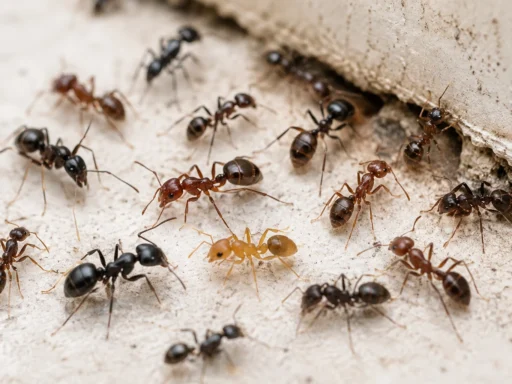
If you find ant trails as well, use our household ant identification guide to investigate the source.
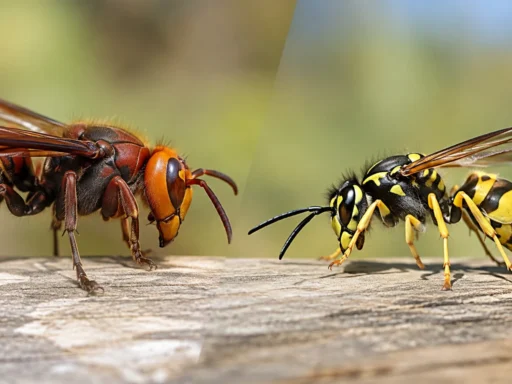
For flying insects around the property, our hornet and wasp identification guide covers the differences.