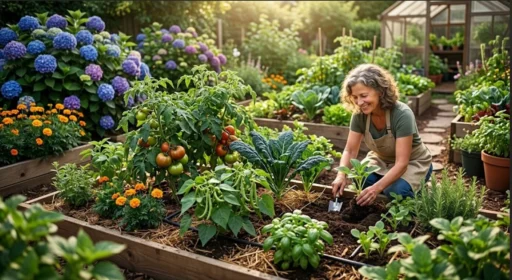
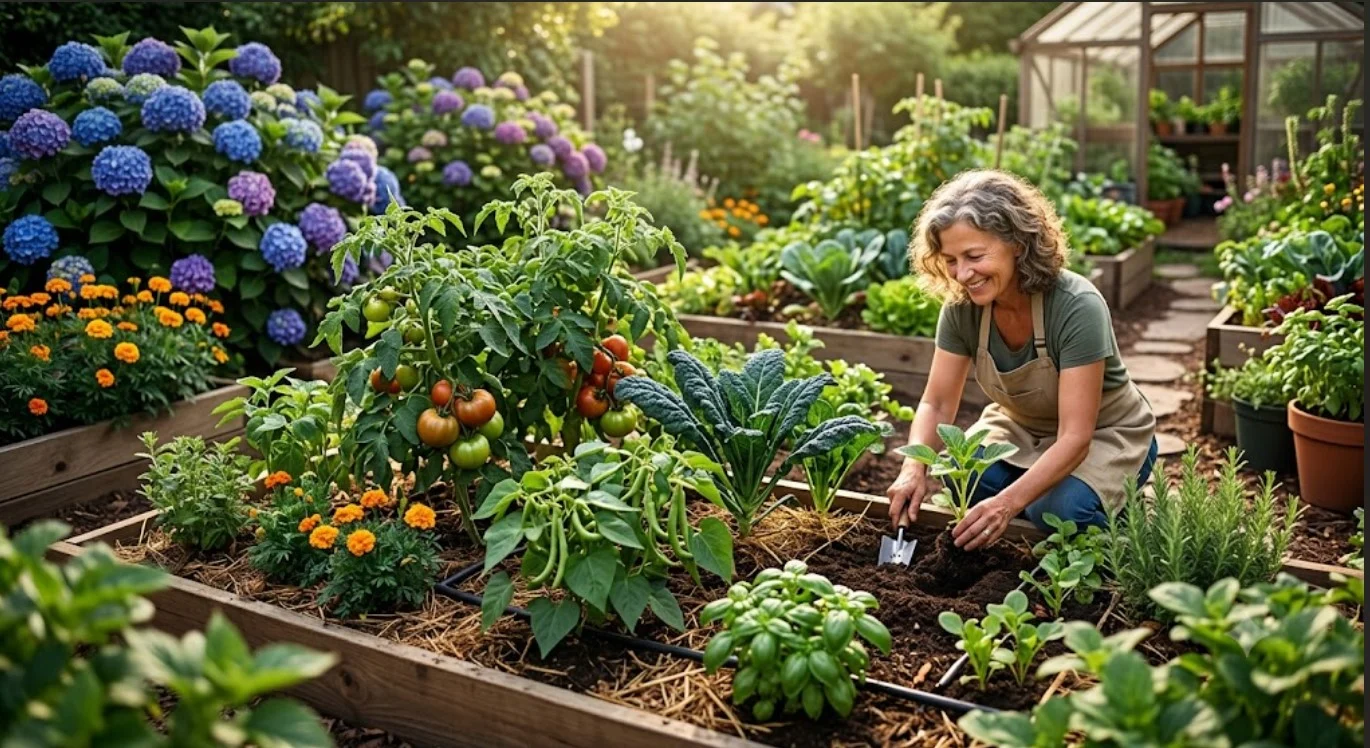
It’s one of nature’s most incredible sights when a tiny seed takes root and bursts forth from the soil as a vigorous, thriving plant. For many newbie gardeners, however, just the thought of starting up a new vegetable/flower garden is quite often enough to make them go completely insane. Unfortunately, many of these inexperienced amateur gardeners become afraid and disheartened when numerous leaves from their once-thriving plants have fallen off due to insect damage or when their new sprouts are stunted due to having very little water or no fertilizer being applied. The adventure of being a successful gardener really begins with knowing that gardening can indeed be an adventure, and with a little bit of patience and the proper assistance, you will eventually turn your garden into yet another green oasis at home.
What are the most common mistakes in gardening for beginners?
Gardeners at the beginner’s level commonly find it difficult to navigate through the vast volume of information available on the internet today. New gardeners have a tendency to believe that they need only to plant their seed and water it occasionally for successful gardening; however, to truly be successful in gardening, you must take into account the specific needs of your surrounding environment in addition to the needs of your plant. The causes of beginner’s gardening mistakes usually stem from basic misunderstandings about such things as light, water, and soil health. If you can deal with these basic issues from the very beginning of your new hobby, you will have less frustration and a greater chance of becoming a successful gardener.
1. Failing to Plan the Garden Space
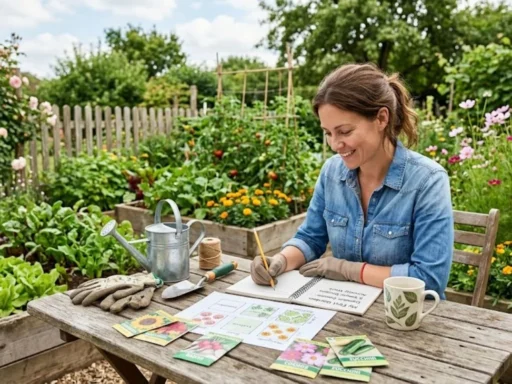
Planning is one of the primary factors influencing how successful your gardens will be. If you don’t know how large your plant will grow, you might find yourself creating a garden with too many plants for the space, thereby suffocating all of the plants in the garden. Before you even start digging your garden bed, you want to observe where the sun hits the area during the day for several days so that you can carefully design your beds so that they will give each of the plants enough space and light to fulfill their maximum growth potential.. Incorporating Beginner Garden Layout Ideas: 5 Simple Designs That Actually Work can help you visualize the space and keep your planting organized from the very start.
2. Underestimating Sunlight Requirements
All plants use sunlight to photosynthesize and create energy; however, if they receive insufficient sunlight, it is impossible to grow properly as a plant. Most vegetable crops and flowering plants need at least six to eight hours of sunlight every day to grow optimally. If you put a sun-loving tomato in a location that is shaded, you will see it become elongated with little fruit. Before committing to where to plant your vegetable or flowering plant, be sure that you look at the planting instructions (on the plant label or on the seed packet) for how much sunlight that variety of plant will require.
3. Overwatering or Underwatering Your Plants
Watering is known as the most challenging skill for novice gardeners to learn how to do properly. Many novice gardeners believe that more water is better; therefore, when they consistently water and saturate the soil, it will lead to root rot and fungus. On the other hand, if gardeners do not give a plant adequate water and allow the soil to dry out completely, it can cause a plant to wilt and become stressed, as a result of which the plant will be more likely to have insect issues. At Solera Gardens, we recommend checking the top inch of soil with your finger before grabbing the watering can; if it feels dry, it is time to hydrate.
4. Ignoring Soil Quality and Nutrients
Soil serves as the base for every garden; however, most people are not aware of how important it is for their gardening endeavors. Without a well-built, nutrient-filled (growing medium) growing medium and an appropriate amount of air space in the growing medium (not too tightly packed or too sandy), plants will not have a viable growing option over time. Adding horticulture organic matter to your horticulture organic medium (composts, well-decomposed manures, leaves) will greatly improve the structure of the growing medium and create more opportunities for your plants to receive nutrients. In order for your plants to thrive after planting, add enough horticultural organic matter to your growing medium as you prepare to plant!
5. Planting Too Early or Too Late
Each species of plant grows best within its range of temperature. Moving warm-season plants such as peppers and cucumbers to the ground while still in a state of frost will cause those plants to go into shock and die. Conversely, planting cool-season crops such as lettuce when the temperature has begun to rise will cause the crops to bolt and produce a bitter flavor. You should consult your local hardiness/planting/soil temperature zone (as found on your companion plant databases) when making decisions about when to plant.
| Common Garden Problem | Likely Cause | Simple Solution |
| Wilting Leaves | Underwatering or Heat | Water deeply in the morning |
| Yellowing Leaves | Overwatering or Nitrogen Deficiency | Check soil moisture and add compost |
| Stunted Growth | Lack of Sunlight | Move to a sunnier location |
| Holes in Foliage | Pests | Use insecticidal soap or barriers |
6. Misunderstanding Plant Spacing
If you’ve ever thought about cramming a bunch of tiny plants into a small space and making them look like one giant plant – don’t! It’s a great way for your little plants to develop diseases like blight or powdery mildew because there won’t be enough air flow around them. The other reason not to crowd them is that they will ultimately be competing with each other for nutrients and water from the soil. Always follow your seed packet instructions for proper spacing, and you’ll create the healthiest garden you can have this year!
7. Neglecting Mulch and Weed Control
Weeds pose a threat to any plant you wish to cultivate and use up valuable resources (water, nutrients) & an area essential for the health of your plants. If you do not diligently weed your garden, at some point, it will be inundated with weeds. Using a thick layer of organic mulch around the base of the plant(s) is one of the best methods of conserving soil moisture and preventing weed growth. Mulch will also provide warmth to the soil, which helps support healthy plant growth and gives a neat appearance to the garden.
8. Choosing the Wrong Plants for Your Climate
You might see an amazing plant on social media and want one, but the plant may not do well in your climate. Troubleshooting garden problems is often easy when you realize the problem may be that the plant is not appropriate for your zone. It is best to grow only native plants or varieties that have a proven track record of growing well in your area. When you only grow plants that are appropriate for your climate, you will have less to do to maintain your garden, and you will get better results.
9. Lack of Consistent Maintenance
Gardening is not a hobby where you set everything up and let it go; many gardeners who start out with great enthusiasm in spring don’t last through the heat of summer. Regular maintenance, such as deadheading flowers, cutting out any dead limbs, and looking for early signs of pest problems are the things that separate the successful from the unsuccessful gardener. One great way to identify any problems before they get out of control is to take a stroll through your garden every day for 15 minutes or so.
10. Giving Up Too Soon
Don’t give up on the first time a tomato plant you grow doesn’t produce to your expectations; even experienced gardeners lose plants to weather, pests, and just plain bad luck. Every time you lose a plant, you learn more about your garden than you would from a tomato plant that produced well. Don’t stop trying new things and learning from your experiences, but enjoy watching your garden progress at the same time!
Frequently Asked Questions
What is the biggest mistake new gardeners make?
One of the biggest mistakes made when gardening is not planning space well enough so that plants are overcrowded, do not get enough sun light or in some cases do not grow for some reason that can cause you to be frustrated.
How do I know when to water my garden?
The best way to check if your plant/s needs water is to stick your finger into the soil down to approximately 1 inch. If the soil feels dry, then that is your signal that you need to water; if it still feels damp, then it is best to wait a little longer until you feel that the soil is dry again.
Should I use fertilizer in my garden?
Yes, you can fertilize more than once per season, but before you fertilize, you will need to first check your soil to see what nutrients are lacking from it. Many vegetable gardens will do well by using a lot of compost because compost supplies slow-release nutrients to your garden.
How much sun do vegetables need?
Many vegetable varieties require a minimum of 6-8 hours of direct sunlight each and every day, especially the vegetable varieties that produce fruit, such as tomatoes, peppers, and beans.
Why do my plants die shortly after planting?
The term for this is transplant shock, which usually occurs because the roots were damaged when being planted, or when they were not watered correctly after they were placed in the soil.
Mastering gardening for beginners: A lifelong journey
When you have learned the necessary skills to cultivate your green thumb, your weekends can be spent relaxing in your garden. After you have avoided all the common gardening mistakes mentioned above, you will be able to create a productive and beautiful sanctuary that provides you with year-round happiness. Remember to make gardening enjoyable for novice gardeners, and do not use it as a test of perfection! Start out small and spend time watching what happens in your garden while you grow into a successful gardener!
Plan access and planting space with our beginner garden planning guide.