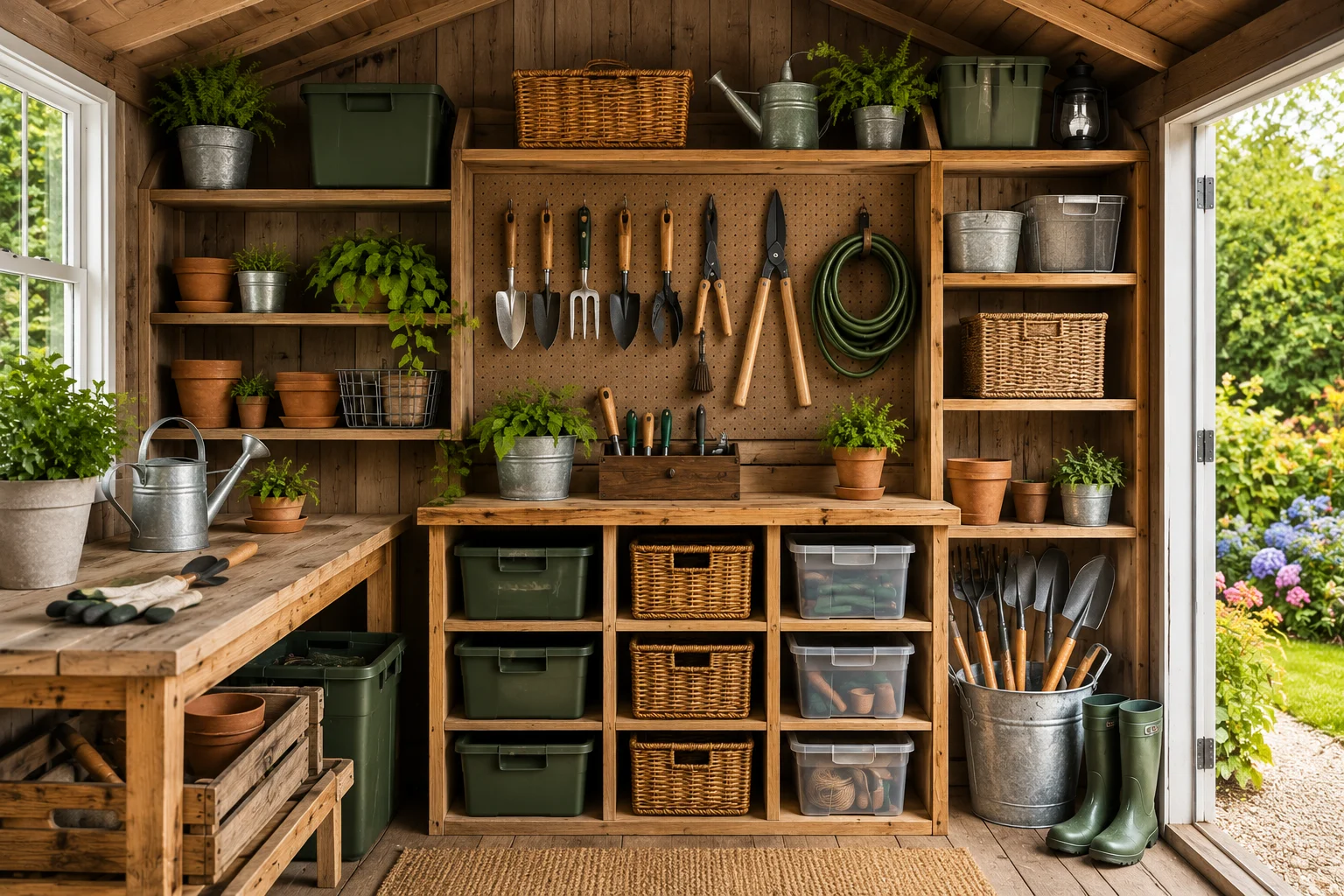
If your garden shed has turned into total chaos, the fastest way back to a functional space is a set of proven garden shed organization ideas. An organized shed means you can actually find your trowels, keep rare seeds safe, and tend your plants without climbing over heaps of plastic planters. With a bit of clever organization and horticultural planning, your shed can become one of the most efficient parts of your garden. At Solera Gardens, we believe an organized workspace is the foundation of a successful, enjoyable garden.
How Do You Start Decluttering a Messy Garden Shed?
Before you organize anything, you need to declutter first. Start by taking everything out of your shed or greenhouse and laying it out on tarps on the lawn. Sort items into piles: tools, waterers, fertilizers and pesticides, and pots. Check the condition of your tools and toss anything rusted beyond use. This is also the right moment to check expiration dates on organic materials. Keep a bin ready for recyclable plastic pots, and compost any organic garden leftovers you find tucked in corners.
Next, sweep out cobwebs, wipe dust off shelves, and clean surfaces with a mild biodegradable cleaner. With the space fully cleared, it’s much easier to plan where your workstations and storage units should go without soil bags and loose tools in the way.
Genius Garden Tool Storage Ideas and Organizing Hacks
Reliable organizing hacks save you real time — no more hunting for misplaced shears or unlabeled seed packets. Whether you’re working with a full-size suburban barn or a small urban balcony closet, these hacks apply.
Category 1: Garden Tool Storage Ideas
Good tool storage prevents rust and extends the life of your most important tools. These tricks will make your shed feel twice as spacious.
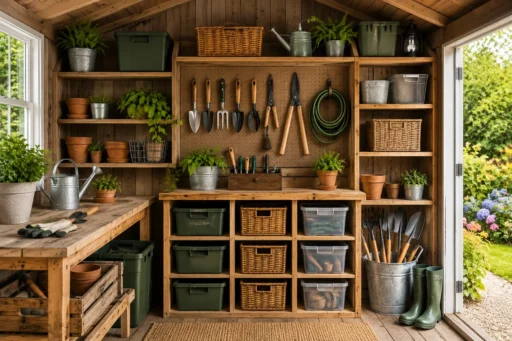
1. Magnetic Tool Strips for Hand Trowels: Mount heavy-duty magnetic strips on the wall near your potting bench. Metal tools like hand trowels, weeders, and soil scoops stay within easy reach.
2. Pegboard Walls for Ergonomic Hanging: Install a classic pegboard above your main work area. Trace an outline around each tool with a permanent marker so you always know exactly where it goes when you put it away.
3. Pallet Racks for Long-Handled Tools: Mount a wooden pallet vertically on your shed wall to create a slotted rack for long-handled tools like shovels, rakes, and hoes.
4. PVC Pipe Holsters: Cut short pieces of 3-inch PVC pipe at an angle and mount them to your shed studs. Slide broom and rake handles into the pipes for tidy, vertical storage.
5. Mailbox Tool Safe in the Garden Bed: Install a decorative, water-resistant mailbox right in your main vegetable plot to store hand pruners, gloves, and plant ties — no more tool clutter on the lawn.
6. Hose Reels on Vintage Wheels Coil garden hoses onto a wall-mounted car wheel or decorative hose hanger. This eliminates trip hazards and prevents kinks that restrict water flow.
7. Hanging Bucket Organizers for Pruners: Attach S-hooks to five-gallon pails and hang them on a wall bar. Use the pails to store hand pruners, micro-sprinklers, and drip irrigation emitters.
8. Tension Rods for Spray Bottles: Install an adjustable tension shower rod between two wall studs. Hang spray bottles of organic insecticidal soap or neem oil by their triggers to reclaim wall space.
9. Repurposed Wine Racks for Hand Tools: Lay an old wooden wine rack horizontally on a shelf. Slide stakes, hand tools, and rolls of garden twine into the bottle slots.
Category 2: Seed, Soil, and Potting Bench Systems
Dusty soil bags and miniature seed packets each need their own storage approach.
| Material | Durability | Moisture Resistance | Ideal Use |
| Treated Wood | Long-lasting when properly sealed and maintained | Moderately resistant to moisture | Perfect for garden benches, shelves, and storage units |
| Heavy Galvanized Metal | Extremely durable and built for heavy-duty use | Highly resistant to rust and corrosion | Best for tool racks, wire baskets, and equipment storage |
| Food-Grade Plastic | Durable and lightweight | Completely waterproof | Ideal for seed containers, soil storage bins, and garden supplies |
10. Photo Album Seed Organizers: Slide vegetable and flower seed packets into transparent plastic photo sleeves, then organize them in a binder alphabetically by growing season.
11. Airtight Mason Jars with Silica Gel Packs Store saved seeds in airtight glass jars with a silica gel packet to absorb excess moisture that causes premature decay.
12. Floating Shelves for Potting Bench Clutter Mount deep floating wooden shelves directly above your potting bench to get small pots and watering cans off your main work surface.
13. Under-Bench Trash Cans for Potting Soils Place heavy plastic garbage cans with tight-fitting lids underneath your potting bench, and fill them with potting mix, perlite, and vermiculite.
14. Color-Coded Plant Label Tins Sort plastic and wooden plant labels into tin cans, color-coded by plant family or planting date.
15. Hanging Shoe Organizers for Plant Tags and Gloves: Hang a see-through plastic shoe organizer on the inside of your shed door. Each pocket holds seed packets, plant labels, gloves, or hand tools.
16. Plastic Slatwalls for Hanging Pots Install PVC slatwall panels on any empty wall space, then use hooks to hang empty nursery pots of various sizes by their rims.
17. Milk Crate Storage for Fertilizer Boxes Store cardboard fertilizer containers and soil amendments in stackable plastic milk crates to keep them off a wet concrete floor and grouped by type.
18. Upcycled Spice Racks for Twines and Labels Mount an old wooden spice rack in your work area to hold jute twine, wire ties, and permanent markers.
Solera Gardens Tip: Wipe your pruning shears with isopropyl alcohol before hanging them up after each use. This keeps fungal spores and bacteria from spreading between plants.
Category 3: Living Clutter — Pruning, Clearing, and Bed Decluttering
Garden clutter isn’t limited to tools. Overgrowth, crowded beds, and random weeds count too. These tips tackle clutter in the garden itself.
19. The Three-D Pruning Method for Woody Perennials: Remove all dead, damaged, and diseased branches from your shrubs first. This improves air circulation and lets sunlight reach the plant’s interior.
20. Air-Pruning Pots to Control Root Binding: Plant in cloth air-pruning pots to prevent roots from tangling into a dense, entwined mass, and encourage healthier root branching instead.
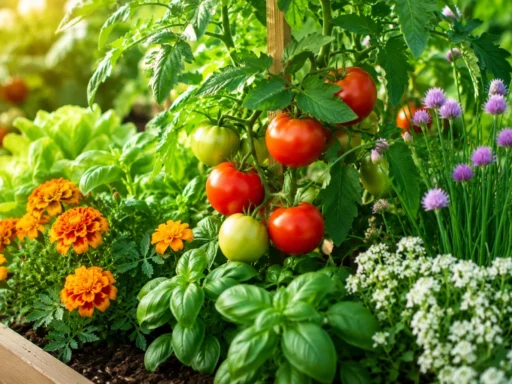
21. Companion Planting for Natural Space Management: Reduce garden clutter by combining vertical and low-growing companion plants in the same bed — for example, sweet basil (Ocimum basilicum) planted beneath tomatoes (Solanum lycopersicum). Our companion planting guide covers more high-value pairings if you want to take this further.
22. Grid-Style Raised Bed Dividers: Lay a simple square-foot grid of thin wood or bamboo stakes across your raised beds to keep plantings organized and stop aggressive varieties from crowding out weaker crops.
23. Trellising Indeterminate Tomatoes to Reclaim Ground Space: Support tomato plants on a cattle panel trellis to free up ground space and keep fruit from touching the soil.
24. Dividing Overcrowded Perennials: Keep perennials like Hostas and Daylilies healthy by dividing large clumps every 3 to 4 years.
25. Edging Borders to Prevent Turf Encroachment: Install deep metal or plastic edging to separate garden beds from aggressive lawn grasses.
26. Chop-and-Drop Mulching for Instant Debris Cleanup: When pruning healthy deciduous shrubs, cut the green branches into small pieces and use them as mulch — this cuts down on pruning waste while feeding the soil.
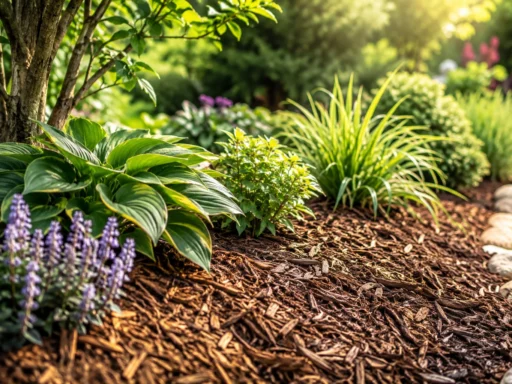
27. Sheet Mulching for Weed Suppression: Layer cardboard under 4 inches of wood chips to suppress weeds in new or reclaimed beds.
Category 4: Vertical Garden Ideas and Space-Saving Containers
When you’re short on ground space, vertical gardening and movable containers solve the problem.
28. Tiered Plant Stands for Vertical Real Estate Use multi-tiered wood or metal racks to display plant pots, freeing up patio floor space.
29. Pocket Wall Planters for Fragrant Herbs: Hang felt or plastic pocket planters on unused walls to grow herbs like mint (Mentha spp.) and rosemary (Salvia rosmarinus).
30. Railing Planters to Clear Deck Floor Space: Suspend plant pots from deck railings to grow annuals and greenery without using any floor space at all.
31. Rolling Plant Dollies for Heavy Pots: Use plant wheels or dollies to move heavy ceramic pots without straining your back.
32. Hanging Macrame Planters for Indoors and Patios: Suspend lightweight plastic or ceramic planters from ceiling hooks for overhead storage. Once your shed or greenhouse is organized, you may want to bring the same approach indoors — our post on 10 Living Room Decor Ideas to Elevate Your Style Game can help you carry that organizing mindset into your home.
33. Trellised Vines to Maximize Vertical Boundaries: Plant climbing vines like Clematis (Clematis spp.) along bare fences or walls to add vertical greenery without using any bed space.
34. Stackable Planter Towers for Strawberries: Grow strawberries or herbaceous plants vertically in stackable growing towers, fitting many plants into a single square foot of floor space.
35. Repurposed Ladders for Multi-Level Displays: Clean up an old wooden stepladder and set it up on your porch or deck, then arrange small pots of succulents across the wide steps.
36. Under-Deck Storage Bins for Off-Season Containers: Store empty containers in low-profile rolling bins tucked underneath low decks or benches.
Common Organizing Mistakes to Avoid
Storing tools while they’re still wet or caked in dirt traps moisture in enclosed spaces, accelerating rust on metal parts and cracking or rotting wood handles. Always clean tools dry with a cloth before putting them away.
Storing fertilizer and soil additives in open paper sacks is another common mistake. Paper absorbs moisture from the air and attracts pests like mice and insects looking for a place to nest. Store dry fertilizers in sealable plastic containers instead.
Don’t hang onto old, unlabeled seed packets for years. Vegetable seeds generally stay viable for only two to three years after harvest, according to most university extension services — after that, germination rates drop sharply. Label every seed packet with the harvest year and plant type so you’re not planting duds come spring.
Frequently Asked Questions
What is the best way to clean rusty garden tools?
Soak the rusty part in a 50/50 mix of white vinegar and water for 12 to 24 hours. Scrub off the rust with steel wool or a wire brush, rinse thoroughly, dry completely, and coat with a thin layer of mineral oil to prevent future rust.
How do I safely store garden seeds so they stay viable?
Keep seeds in a cool, dry, dark location. Store dried seeds in airtight glass jars or paper envelopes along with a silica gel packet to absorb excess moisture in the air.
Can I leave my plastic garden pots outside during the winter?
It’s not a good idea to leave empty plastic pots outside in freezing weather — the plastic becomes brittle in the cold and cracks easily. Store them in a shed or indoors instead.
How do you organize a very small garden shed with no built-in shelves?
Make full use of your wall space with pegboards, slatwall panels, or hooks mounted directly to wall studs. Stackable plastic containers and wheeled storage bins also help maximize a small footprint without needing built-in shelving.
What should I do with old garden soil and potting mixes?
If the soil didn’t grow any diseased plants, restore its fertility by adding it to your compost pile or mixing it with fresh compost and a slow-release fertilizer. If it grew plants affected by root rot or fungal disease, dispose of it entirely rather than reusing it.
How often should I sanitize my garden pruners and scissors?
Sterilize pruners after every major pruning session, and especially when switching between plant species or cutting diseased branches. A quick wipe with isopropyl rubbing alcohol or a household disinfectant spray is enough.
How can I keep my garden twine from tangling?
Store twine inside an empty plastic milk bottle or a wide-mouth mason jar with a hole drilled in the lid. Feed the twine through the opening so you can pull out exactly the length you need.
Conclusion
Applying real cleaning and organizing hacks to conquer garden shed clutter is one of the best investments you can make in your garden and your household. An organized shed and workspace create a place that feels good to spend time in and helps you get more done. Work through these ideas at your own pace, and adapt them to fit your specific shed, tools, and space.
Use our beginner garden checklist to plan the tools and supplies you need.