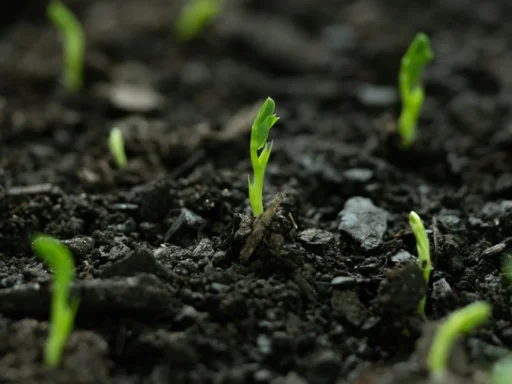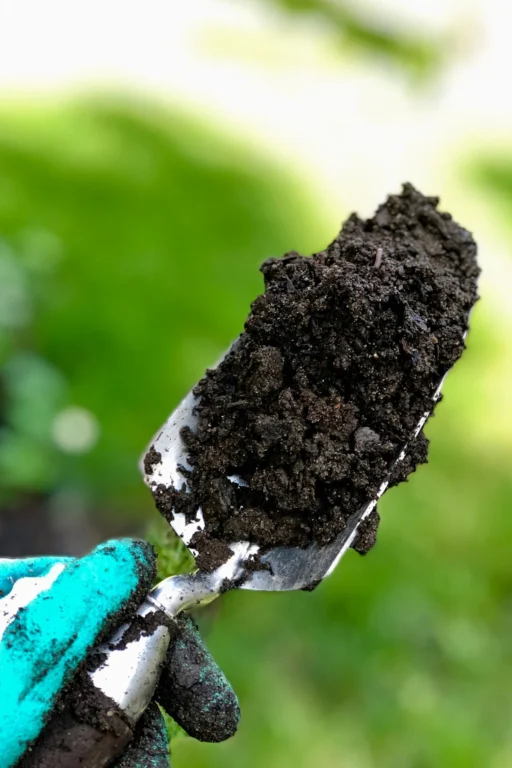
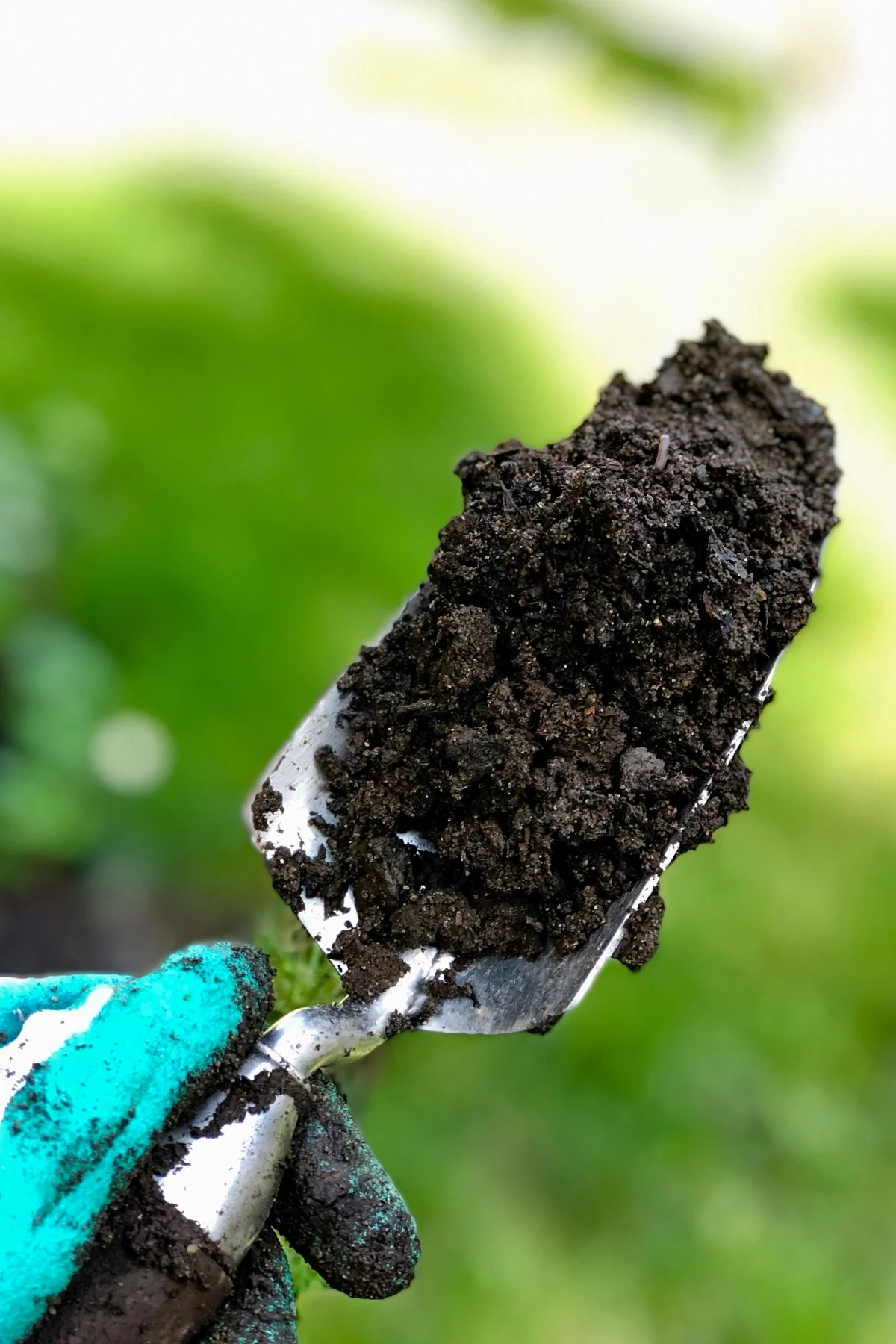
Healthy plants start below the surface, and most beginner gardening struggles, including stunted growth, yellow leaves, and disappointing yields, trace back to soil that is either too compact, too poor in nutrients, or holding the wrong amount of moisture. At Solera Gardens we treat soil preparation as the single highest leverage task a new gardener can do before planting anything, since even the best seeds and the sunniest spot cannot make up for soil that cannot support healthy root growth. This guide shows you how to test what you currently have, understand what the results mean, and fix common problems before you plant a single seed.
Why Soil Quality Determines Almost Everything Else
Soil supplies water, nutrients, and oxygen to plant roots simultaneously, and it also anchors the plant physically and hosts the microbial life that helps break down organic matter into usable nutrients. Even a gardener with perfect watering habits and an ideal sunny location will struggle if the underlying soil is compacted clay that suffocates roots or depleted sand that cannot hold onto nutrients long enough for plants to use them. Investing a single weekend in soil preparation at the start of the season consistently pays off across the entire growing season in stronger, more disease resistant plants.
A Simple At Home Soil Test You Can Do Today
You do not need a laboratory to learn the basics of your soil texture. Squeeze a handful of moist soil firmly in your fist and observe what happens when you open your hand. If it forms a hard, dense ball that will not break apart under light pressure, you likely have heavy clay soil. If it falls apart instantly and will not hold any shape at all, you are working with sandy soil. Soil that forms a loose ball but crumbles easily when poked with a finger is close to the ideal loamy texture that most vegetables prefer.
Testing pH And Nutrient Levels
A basic pH test kit from a garden center costs very little and gives you a quick, reasonably accurate reading within minutes. Most vegetables prefer a soil pH between 6.0 and 7.0, and readings far outside that range can lock up nutrients even when they are technically present in the soil. If you want exact nutrient levels rather than a general pH reading, mail a small soil sample to your local agricultural extension office, which usually charges a modest fee and returns detailed results, often including specific fertilizer recommendations, within about two weeks.
Fixing Clay Soil Without Making It Worse
Clay soil holds water and nutrients reasonably well but drains poorly and compacts easily, especially when it is walked on or worked while wet. Work in two to three inches of finished compost across the entire planting area at the start of each season, and continue adding compost annually since clay improvement happens gradually rather than all at once. Avoid working clay soil when it is wet, since doing so destroys its structure and can leave it more compacted than before you started, sometimes taking an entire season to recover.
Fixing Sandy Soil That Drains Too Fast
Sandy soil drains so quickly that water, and the nutrients dissolved in it, often move past the root zone before plants have a chance to absorb them. Compost is again the primary fix, since it acts like a sponge that holds both water and nutrients in place within the root zone. Aim for at least three inches of compost worked into the top foot of soil, and consider mulching heavily on top of sandy beds to slow evaporation further.
Building Loamy Soil From Scratch For Containers Or Raised Beds
If you are filling a raised bed or a large container rather than amending existing ground soil, a reliable starting recipe is equal parts topsoil, finished compost, and a coarse material such as perlite or coarse sand for drainage. This blend drains well while still holding enough moisture and nutrients for vegetables to thrive, and it avoids many of the structural problems that come with using straight garden soil in a contained space. If you are planning a full raised bed build, our companion guide on Solera Gardens covers the exact framing, filling, and planting process in detail.
Understanding Organic Matter And Why It Matters So Much
Organic matter, meaning decomposed plant and animal material, is the single ingredient that improves nearly every soil problem at once, loosening clay, helping sand retain moisture, feeding beneficial microbes, and slowly releasing nutrients over the course of a season. Compost, aged manure, and leaf mold are the most common sources available to home gardeners, and working even a modest amount into your soil each year compounds into dramatically better soil health over just two or three seasons.
Ongoing Soil Care Throughout The Season
Soil is not a one time project completed before planting and then forgotten. Add a fresh layer of compost each planting season, rotate crop families from one bed to another year to year to avoid depleting the same nutrients repeatedly, and avoid walking directly on garden beds to prevent recompacting soil you have already worked to improve. Healthy soil that receives this kind of consistent care needs less fertilizer over time and reliably produces stronger, more disease resistant plants.
Related Reading On Solera Gardens
For more on this topic, see our guide Raised Bed Gardening for Beginners on Solera Gardens.
For a new growing space, follow our guide to starting a garden from scratch before buying plants and amendments.
When covering soil around plants, consult our garden mulching guide for materials and application advice.