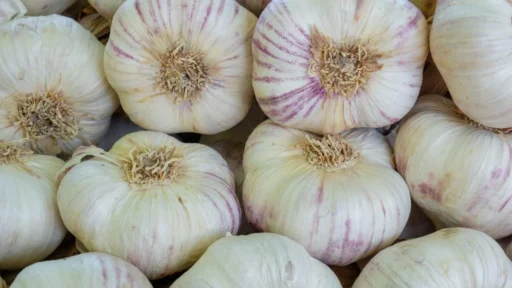
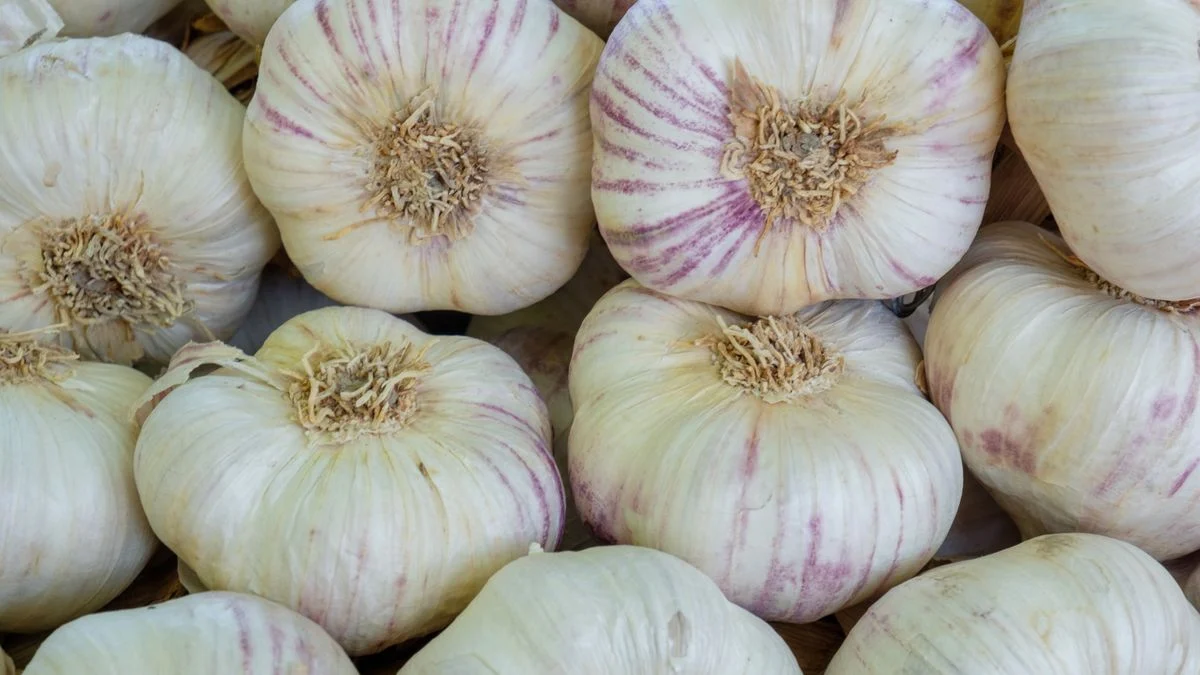
Plant garlic in fall after the weather cools but before the ground freezes hard. Choose healthy seed garlic, separate the bulb into cloves shortly before planting, set each clove with the pointed end up, and protect the bed with mulch in cold-winter areas. The cloves grow roots before winter, rest through the coldest weather, and resume growth in spring for a summer harvest.
The calendar date is not the same everywhere. In a cold climate, planting often falls a week or two after the first killing frost. In a mild-winter region, local planting advice may point to a later window. Treat regional Extension guidance and the current weather as more useful than a nationwide date.
Fall Garlic Planting at a Glance
| Decision | Practical starting point | Why it matters |
|---|---|---|
| Type | Hardneck for many cold-winter gardens; softneck for many milder areas | Winter conditions and storage needs affect the best choice. |
| Planting time | After sustained cool weather, before the soil freezes | Cloves need time to root without making excessive top growth. |
| Site | Full sun with well-drained soil | Shade can limit bulb size, while soggy soil encourages decay. |
| Spacing | About 6 inches between cloves as a useful home-garden starting point | Room supports bulb development and makes weeding easier. |
| Orientation | Flat root end down, pointed end up | Correct placement helps the shoot reach the surface efficiently. |
| Mulch | Use clean straw or loose leaves where winter protection is needed | Mulch moderates soil temperature and suppresses weeds. |
Choose Garlic That Fits Your Climate and Kitchen
Garlic sold for planting is usually grouped as hardneck or softneck. Hardneck garlic produces a rigid flower stalk called a scape. It is widely grown where winters are cold and is known for large, easy-to-peel cloves. Softneck garlic generally produces more cloves, has a flexible neck that can be braided, and often stores longer. It is commonly chosen in regions with milder winters.
These are useful tendencies, not guarantees. Cultivar performance varies by location. A variety sold by a reputable regional seed supplier has a better chance of matching your winter and day-length conditions than an unknown bulb from a grocery shelf. The University of Minnesota Extension recommends buying planting stock from a seed producer rather than relying on grocery-store garlic, which may not suit local conditions.
If this is your first crop, plant two named varieties in labeled rows. Comparing their survival, bulb size, flavor, and storage life will tell you more than choosing by catalog description alone.
Pick the Right Planting Window
The goal is to let cloves establish roots before deep winter without encouraging a large amount of tender leaf growth. Minnesota Extension advises planting one or two weeks after the first killing frost in its region. Utah State University Extension gives regional timing and growing guidance that differs with local conditions. Gardeners in warmer parts of the United States should use their county or state Extension calendar because frost dates and winter chilling vary widely.
A small green shoot appearing before winter is not automatically a failed crop. The more important concerns are whether the cloves are rooted, the soil drains, and repeated freeze-thaw cycles are buffered where necessary.
Prepare a Sunny, Well-Drained Bed
Garlic stays in the ground for many months, so place it where spring planting will not disturb it. Select an area that receives strong sun and does not collect water after rain or snowmelt. Avoid a low spot simply because it is empty in fall.
Remove perennial weeds before planting. Garlic leaves are narrow and do not shade the ground quickly, which gives weeds an opening in spring. Loosen compacted soil while it is crumbly, not wet enough to smear. If drainage is poor, a raised bed may be more effective than repeatedly adding amendments to a saturated site.
A soil test is the safest basis for lime and fertilizer decisions. Minnesota Extension reports that garlic performs well in moisture-retentive, well-drained soil around pH 6.0 to 7.0, but a laboratory test can show what your particular bed needs. Finished compost can improve organic matter, yet it should not become an excuse for piling on unmeasured fertilizer.
If you are building the bed from the beginning, use the sequence in our guide to starting a garden from scratch. Prepare and test the soil before buying more products than the site needs.
How to Plant Garlic in Fall, Step by Step
1. Keep Bulbs Whole Until Planting Time
Store seed garlic intact in a dry, airy place until you are ready to plant. Separate the bulb shortly before planting so the cloves do not spend unnecessary time exposed. Keep the papery skin on each clove and set aside any that are soft, moldy, badly bruised, or damaged at the base.
2. Sort the Cloves
Use plump, healthy cloves for the main bed. Very small inner cloves can produce small plants, so use them in the kitchen or place them in a separate trial row. Do not mix varieties after removing their wrappers. A simple label at both ends of each row helps if one marker is lost over winter.
3. Lay Out the Spacing Before Digging
For a home bed, spacing cloves about 6 inches apart is a practical starting point supported by Minnesota Extension guidance. Wider rows are easier to weed and mulch; tighter layouts fit more plants but increase competition. Check the grower’s directions because some large cultivars benefit from more room.
4. Plant Each Clove Upright
Place the broad, flat basal end down and the pointed tip up. Minnesota Extension advises positioning the base two to three inches below the soil surface in its climate. Penn State Extension gives a shallower 1- to 2-inch planting range in its garlic guidance. That difference is a good reminder to follow regional recommendations, especially in very cold or unusually wet soils.
Cover the cloves with loose soil and firm the surface gently. Do not stamp the bed hard. Water after planting if the soil is dry enough to need it, but do not leave the bed waterlogged.
5. Add Mulch for Winter Protection
In cold-winter areas, a loose layer of clean straw or shredded leaves helps reduce rapid temperature swings and can limit early weed growth. Minnesota Extension suggests three to four inches of leaf or straw mulch for its conditions. Keep dense, matted material from sealing the surface.
Our guide to using garden mulch correctly explains why mulch depth and contact with plant crowns matter. If fallen leaves are plentiful, the separate guide to composting leaves can help you divide them between winter protection and the compost pile.
Spring Care: Water, Weeds, and Fertility
Check the bed when growth resumes. If a heavy mulch layer keeps cold, wet soil from warming, pull part of it back temporarily. In a drier location, leaving mulch in place may conserve moisture and suppress weeds. The right choice depends on soil moisture, drainage, and spring weather.
Weed early and shallowly. Garlic has relatively limited leaf cover, and aggressive hoeing close to the row can injure roots or developing bulbs. Hand-pulling small weeds after rain is often safer than waiting until their roots are tangled with the crop.
Water to maintain even moisture during active spring growth, then reduce and stop irrigation as harvest approaches according to local guidance. A fixed weekly schedule is unreliable because rainfall, soil texture, mulch, temperature, and plant size all change demand. Check below the surface before watering.
Base fertilizer on a soil test. Excess late nitrogen can keep foliage growing at the expense of timely bulb maturity. Minnesota Extension advises its growers not to apply nitrogen after early May, but that date is regional. Use a local recommendation rather than transferring one state’s schedule to every climate.
What to Do With Garlic Scapes
Hardneck garlic sends up a curling flower stalk in late spring or early summer. The tender stalk is edible. Cut it while it is young if you want to use it in the kitchen and direct the plant’s energy toward the bulb. Leave a few scapes if you want their shape as a rough seasonal cue, but do not depend on scape position alone to decide when the bulbs are mature.
Softneck garlic normally does not produce the same prominent scape, so its absence is not a problem.
How to Know When Garlic Is Ready to Harvest
Garlic is usually harvested when lower leaves have browned while several upper leaves remain green. Waiting until every leaf is dead can leave bulb wrappers thin and cloves exposed. Harvesting too early can produce undersized bulbs.
Loosen the soil beside the row with a fork or spade, staying far enough away to avoid piercing bulbs. Lift rather than yanking on the stems. If timing is uncertain, dig one test bulb. Look for distinct cloves filling a well-formed bulb rather than guessing from a date.
Cure Garlic Before Long-Term Storage
Move harvested plants to a shaded, dry, well-ventilated place. Keep them out of rain and strong direct sun, and handle them gently because bruised bulbs store poorly. Oregon State University Extension says garlic is cured when the skin becomes papery; its preservation guidance describes drying for a week or more before trimming and storage.
Brush off loose dry soil after curing. Do not wash bulbs intended for long storage. Trim the roots and tops, or braid flexible softneck stems. Use damaged bulbs first and save only healthy, well-formed bulbs for storage or replanting.
One food-safety note matters: raw garlic in oil should not be held at room temperature. Oregon State Extension advises refrigerating garlic in oil for no more than four days or freezing it for longer storage because improper storage can allow botulism toxin to form.
Can You Grow Garlic in Containers?
Yes, if the container is deep and wide enough for roots and spacing, has open drainage holes, and will not crack during winter. Use potting mix rather than dense garden soil. Place the container in full sun and protect it from repeated freezing and thawing without moving it into a warm living room.
Containers lose moisture and change temperature faster than an in-ground bed. Check the mix during dry winter spells when it is not frozen, then monitor more often after spring growth begins. A pot that stays saturated is a greater risk than one that merely looks dry on top.
Common Garlic Problems and What They Usually Mean
| Problem | Likely causes | What to check |
|---|---|---|
| Cloves rot before spring | Poor drainage, damaged planting stock, or saturated soil | Inspect drainage and use firm, healthy cloves next time. |
| Small bulbs | Small seed cloves, shade, crowding, weeds, or moisture stress | Compare spacing, sun hours, weed pressure, and spring watering. |
| Leaves yellow very early | Root stress, disease, waterlogging, nutrient issues, or normal maturity | Check timing, roots, soil moisture, and whether symptoms spread. |
| Bulbs split open | Harvest was delayed | Dig a test bulb sooner when lower leaves begin browning. |
| Garlic sprouts in storage | Storage conditions or natural end of dormancy | Improve airflow and use sprouting bulbs promptly. |
If rot or unusual leaf symptoms recur, do not replant saved bulbs from affected plants. Photograph the symptoms and consult a local Extension diagnostic service. Crop rotation and clean planting stock are more useful than guessing at a pesticide.
Frequently Asked Questions
Can I plant garlic from the grocery store?
It may grow, but its identity, disease status, and regional suitability are uncertain. Named seed garlic from a reputable supplier gives you better information and usually a better chance of selecting for your climate.
What happens if garlic sprouts before winter?
A small shoot does not necessarily ruin the crop. Maintain appropriate mulch and drainage, then reassess in spring. Excessive top growth can be more vulnerable to cold, which is why gardeners avoid planting too early.
Should garlic be peeled before planting?
No. Separate the bulb into individual cloves but leave each clove’s papery covering intact. Discard cloves that are soft, moldy, or badly damaged.
Does garlic need full sun?
Strong sun supports bulb development. A lightly shaded plant may survive but often produces a smaller bulb. Measure the site’s spring and early-summer light, not just its autumn light.
How much garlic should I plant?
Each healthy clove normally produces one bulb. Start with the number your household is likely to use, then add a few extra plants for losses and for saving the best bulbs as next year’s seed.
The Best First Step
Choose the bed before ordering garlic. Confirm that it receives strong sun, drains after rain, and can remain undisturbed until summer. Then buy named planting stock suited to your region, label the varieties, and use local Extension timing. Good garlic begins with those decisions long before the first spring leaf appears.