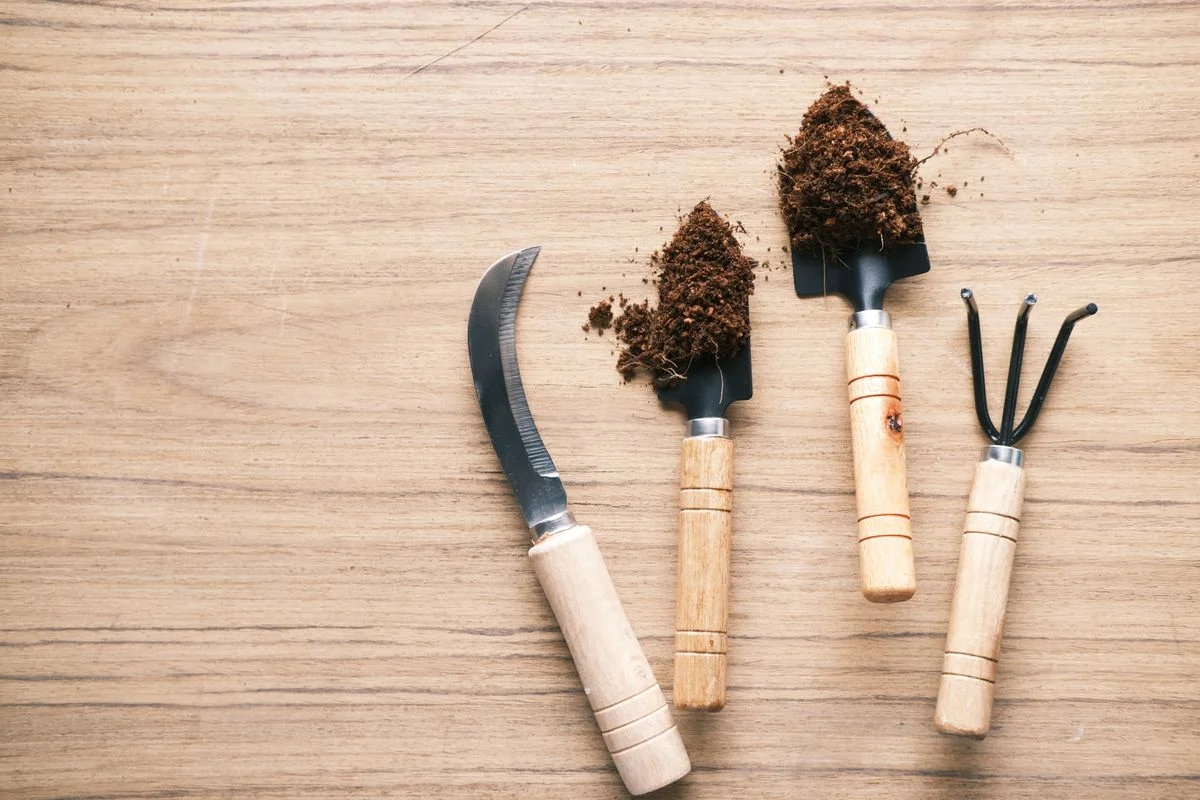
Garden centers and online retailers push dozens of specialty tools at new gardeners, many of which solve problems a beginner does not actually have yet. At Solera Gardens we believe a smaller, well chosen set of tools consistently outperforms a large collection of gadgets, both in cost and in how quickly a beginner learns to use them well. This checklist separates the tools genuinely worth buying from the ones you can safely skip until your garden grows in size and complexity, along with guidance on where to spend more and where to save.
The Core Five Tools Every Beginner Actually Needs
A hand trowel, a pair of pruning shears, a garden fork, a watering can with a removable rose, and a durable pair of gloves cover almost every task a beginner garden requires during its first full season. Together these typically cost under sixty dollars for reasonably good quality versions, and they will last for years if kept clean and stored somewhere dry between uses.
- Hand trowel for planting and transplanting seedlings
- Pruning shears for harvesting and trimming plants
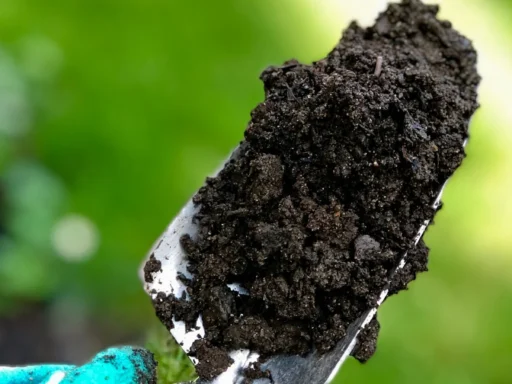
- Garden fork for loosening compacted soil without a machine
- Watering can with an adjustable rose for gentle or targeted watering
- Durable gloves that fit snugly and protect against thorns and soil
Tools Worth Buying Once Your Garden Grows In Size
As your garden expands beyond a few containers or a single small bed, a long handled spade for digging, a hoe for efficient weeding across larger areas, and a wheelbarrow or garden cart for moving soil and compost become genuinely useful additions. These tools tend to be worth the investment once you are managing more than roughly one hundred square feet of active growing space, since the time they save starts to outweigh their cost fairly quickly at that scale.
Tools You Can Safely Skip As A Complete Beginner
Specialty tools such as bulb planters, single purpose weeding tools, and electric tillers solve very narrow problems that most beginners do not yet have in their first season or two. A rototiller in particular can actually damage soil structure if used incorrectly on wet or clay heavy soil, and a simple garden fork accomplishes the same basic loosening task for most small plots without the cost, storage requirements, or maintenance of a gas or electric machine.
Where To Spend More And Where To Save Money
Spend a little more on pruning shears specifically, since a dull or poorly made pair will crush plant stems instead of cutting them cleanly, which creates ragged wounds that invite disease into the plant. You can comfortably save money on watering cans, kneeling pads, and general storage bins, since quality differences in those categories matter far less for actual gardening outcomes and are more about personal comfort and convenience.
Caring For Your Tools So They Actually Last For Years
Wipe soil and moisture from metal tools after each use and store them somewhere dry to prevent rust from forming, since rust is the single most common reason beginner tools fail early. Sharpen pruning shears once or twice per growing season using a simple handheld sharpener, which takes only a few minutes and dramatically improves cutting quality. A light coat of household oil wiped onto metal surfaces before winter storage will keep tools rust free and ready to use the following spring.
Borrowing And Sharing Tools Before You Buy
For tools you will use only occasionally, such as a wheelbarrow, a soil auger, or a larger tiller for an initial bed preparation, consider borrowing from a neighbor, a community garden tool library, or a local tool sharing program before purchasing your own. Many communities now have tool lending libraries attached to public libraries or community garden organizations specifically for this purpose, and this is one of the easiest ways to keep your starting costs low while still getting access to the right equipment when you genuinely need it.
A Simple, Realistic Starter Budget
A complete beginner kit including the five core tools listed above, a kneeling pad, and a small hand rake typically runs between fifty and eighty dollars for reasonably durable quality from a garden center or hardware store. Spending far below that range often means replacing flimsy tools within a single season, which usually ends up costing more in total than buying moderately good tools once. The team at Solera Gardens generally recommends buying fewer, better tools rather than a large starter set of lower quality items.
Related Reading On Solera Gardens
For more on this topic, see our guide Free and Low Cost Ways to Start a Garden on Solera Gardens.
Use our beginner garden checklist to plan the tools and supplies you need.
For a new growing space, follow our guide to starting a garden from scratch before buying plants and amendments.